

The Silent Crisis Under the Soil
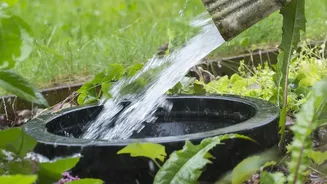
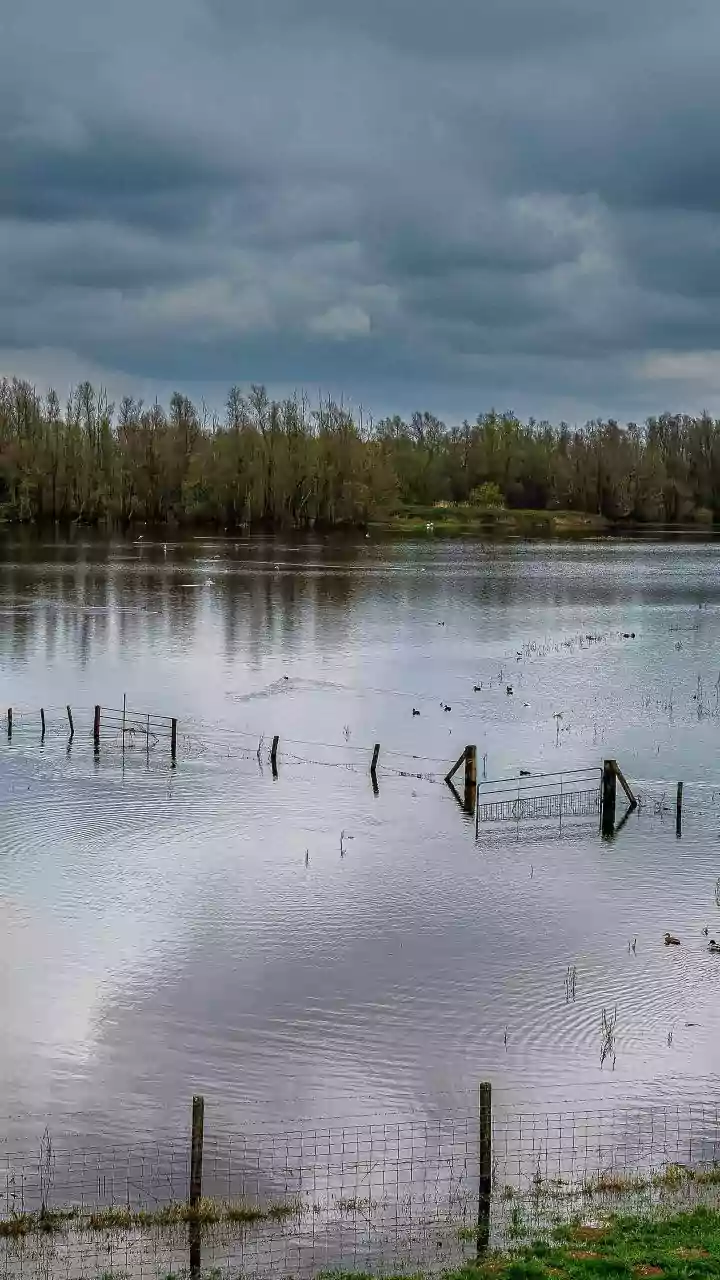
When your pots and planters are saturated with water for days on end, a critical change happens beneath the surface. The tiny air pockets in the soil, which are vital for healthy roots and microorganisms, fill with water. This creates an oxygen-deprived,
or anaerobic, environment. While plants need water, their roots also need to breathe. Without oxygen, root functions slow down, they struggle to absorb nutrients, and they become susceptible to rot. But the damage doesn't stop there. This oxygen-starved environment triggers a massive shift in the soil's microbial population, the foundation of a healthy garden.
The Good, The Bad, and The Waterlogged
Healthy soil is teeming with billions of beneficial microorganisms, particularly aerobic bacteria and fungi that require oxygen to survive. These microscopic helpers are the engine of your garden, breaking down organic matter into essential nutrients that plants can absorb, fighting off diseases, and improving soil structure. When waterlogging pushes oxygen out, these beneficial microbes begin to die off rapidly. After just 72 hours of saturation, the aerobic population can be almost entirely extinguished. In their place, anaerobic bacteria—which thrive without oxygen—begin to multiply. Some of these can produce substances toxic to plants and are responsible for the sour, rotten-egg smell you might notice from heavily waterlogged soil.
Signs Your Soil's Microbiome is in Distress
Your plants will give you clear signs that their soil is suffering. Look for yellowing leaves, which often indicate a nutrient deficiency because the good bacteria are no longer available to process nutrients for the plant. You might also see stunted growth, wilting despite the wet soil, or a general lack of vigour. Another key indicator is the soil itself. If it feels dense and compacted, smells sour or unpleasant, or you notice a lack of earthworms and other soil life, it's a strong sign that the beneficial microbial community has been compromised. In severe cases, you may see a slimy green layer of algae forming on the soil surface.
First Aid: Improve Drainage and Aeration
Before you can bring in a new team of beneficial bacteria, you must fix the environment that caused the problem. The first priority is to get oxygen back into the soil. If possible, move pots to a sheltered location to protect them from further rain. Gently tilt planters to let excess water drain out and create air pockets by carefully using a small hand tool or stick to poke holes in the soil, which helps aerate the root zone. Make sure drainage holes are not blocked. For future prevention, consider adding materials like perlite or coarse sand to your potting mix to improve its structure and porosity. Using a good loamy soil mix rather than heavy clay is also critical for container gardening.
The Restoration: Reintroducing Beneficial Bacteria
Once drainage is improved and the soil is no longer saturated, it's time to actively reintroduce the beneficial microbes that were lost. This is what's known as targeted bacterial restoration. The goal is to repopulate the soil with a diverse community of aerobic bacteria and fungi to restart nutrient cycling and outcompete harmful pathogens. One of the most effective and accessible ways to do this is by applying a 'compost tea'. This is a liquid extract made by steeping high-quality compost or vermicompost (worm castings) in aerated water. This process extracts and multiplies the beneficial microorganisms, creating a potent liquid inoculant that can be drenched into the soil. You can also mix in well-decomposed compost or purchase commercial microbial inoculants. These products contain concentrated doses of specific beneficial bacteria and fungi designed to revive soil life.
Building Long-Term Resilience
Restoring your soil is not a one-time fix but the start of building a more resilient garden ecosystem. Regularly amending your soil with organic matter like compost or aged manure provides a continuous food source for the microbial populations you've reintroduced. Applying a layer of mulch, such as straw or wood chips, can also help. Mulch protects the soil from the direct impact of heavy raindrops, regulates moisture levels, and breaks down over time to feed soil life. By focusing on the health of your soil's invisible ecosystem, you create a garden that is not only more beautiful but also better equipped to handle the stresses of extreme weather events in the future.