



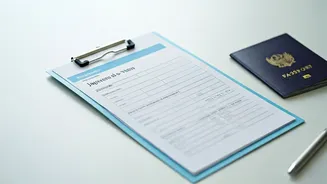


Decoding the Japan Visa for Indians
First things first: yes, Indian passport holders need a visa to enter Japan for tourism. The country does not offer a visa-on-arrival, so you must apply in advance. The good news is the process is straightforward. Applications are primarily handled through
VFS Global centres across India. As of early 2024, Japan also introduced an eVisa system for Indian residents applying for a single-entry tourist visa, which can be lodged through accredited agencies. The standard processing time is around five to seven working days, but it's wise to apply at least three to four weeks before your travel dates to avoid any last-minute stress. The visa fee for Indian nationals is a nominal INR 500 for both single and multiple-entry visas, plus VFS service charges.
Your Essential Document Checklist
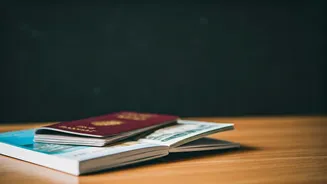
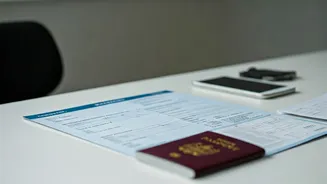
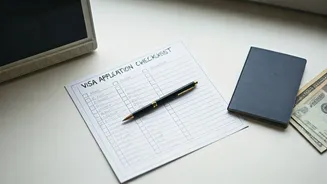
A successful visa application hinges on meticulous documentation. While requirements can be updated, a typical application requires the following: a valid passport with at least six months of validity and two blank pages, a completed application form, and recent passport-sized photographs (4.5cm x 4.5cm is a common specification). You'll also need to provide a detailed day-by-day travel itinerary, confirmed return flight bookings, and proof of accommodation for your entire stay. To prove financial stability, you must submit your last three to six months of bank statements, stamped by the bank, and your most recent Income Tax Return (ITR) acknowledgements. If you are employed, a leave sanction letter or No Objection Certificate (NOC) from your employer is also required.
Crafting Your Money Strategy
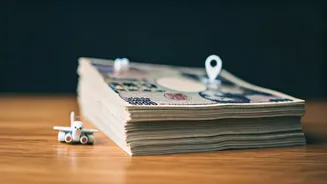
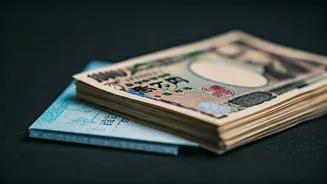
Japan has a reputation for being a cash-heavy society, and while this is changing, it's not entirely a cashless country yet. Major hotels, department stores, and restaurants in big cities like Tokyo and Kyoto widely accept international credit and debit cards like Visa and Mastercard. However, smaller shops, local ramen joints, street food stalls, and entrance fees for many temples and shrines often operate on a cash-only basis. This is especially true the further you travel into rural areas. Therefore, the best approach is a hybrid one: rely on your card for large purchases but always carry a comfortable amount of Japanese Yen (JPY) for daily expenses.
Cash: How Much and Where to Get It
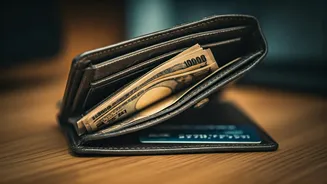
For a typical day of sightseeing, having ¥10,000–¥15,000 in cash should comfortably cover meals, local transport, and small entry fees. It’s a good practice to never have less than ¥5,000 on you. Rather than exchanging a large amount of Rupees for Yen in India, a more cost-effective strategy is to withdraw cash from ATMs upon arrival in Japan. The most reliable ATMs for international cards are found in 7-Eleven convenience stores (through Seven Bank), which are ubiquitous and operate 24/7 with English-language menus. You can also use ATMs at Japan Post Bank and other convenience stores like Lawson and Family Mart. Using these ATMs will almost always give you a better exchange rate than currency counters at the airport or back home.
Budgeting Your Dream Trip
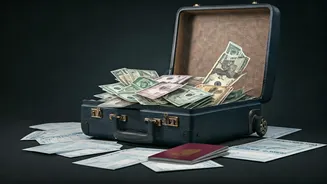
The cost of a Japan trip can vary widely based on your travel style. Thanks to a weaker Yen in recent years, Japan has become more affordable for Indian travellers than many perceive. For a mid-range traveller, a daily budget of ₹5,000-₹7,000 per person can cover comfortable accommodation, food, and local transport. A 10-day trip following the popular 'Golden Route' of Tokyo, Kyoto, and Osaka could cost between ₹1.5 lakh to ₹2 lakh per person, including flights. To save money, eat like a local at convenience stores (which have surprisingly high-quality food), ramen shops, and conveyor belt sushi restaurants. For transport between cities, note that the popular Japan Rail (JR) Pass is not always the most economical choice after its 2023 price hike; often, buying individual Shinkansen (bullet train) tickets for your specific route is cheaper.