







Why Fungus Loves the Monsoon
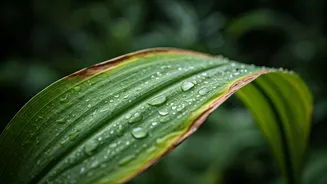
Fungi thrive in warm, humid conditions with plenty of moisture, making the Indian rainy season a perfect breeding ground. Continuous wetness on leaves, poor air circulation between closely packed pots, and a lack of direct sunlight create an ideal environment
for fungal spores to germinate and spread rapidly. When soil remains waterlogged, it also encourages root rot and other soil-borne fungal diseases that can weaken or kill a plant from below. Early detection is crucial, as these diseases can quickly damage a plant and spread to its neighbours.
Know Your Enemy: Common Fungal Foes
Several types of fungus are common in home gardens during this season. Powdery mildew is one of the most identifiable, appearing as a white or grey dusty coating on leaves, stems, and even flowers. Another major culprit is black spot, which presents as dark, circular spots on the upper side of leaves, often with fringed edges. These leaves eventually turn yellow and drop off, weakening the plant. You might also encounter rust, which shows up as small, reddish-brown powdery spots on the underside of leaves, or damping-off, a soil-borne fungus that causes young seedlings to rot at the base and topple over.
Prevention Is Your Strongest Defence
The best way to combat fungus is to make your garden less hospitable for it. Good air circulation is key, so ensure there is adequate space between your plants. Prune dense foliage and remove any dead or diseased leaves immediately to improve airflow and reduce areas where moisture can get trapped. Adjust your watering habits; water plants at their base in the morning, which allows the leaves to stay dry and gives any surface moisture time to evaporate during the day. Avoid overwatering by checking if the top inch of soil is dry before you water again, and ensure every pot has proper drainage holes to prevent waterlogging.
Simple and Effective Treatment Methods
If you spot a fungal infection, act fast. For minor issues, simply pruning the affected leaves and stems can stop the spread. For a more active approach, several organic remedies are effective. A spray made from neem oil, which is native to India and a well-known natural fungicide, can be very effective. Another popular home remedy is a solution of baking soda; mix one tablespoon of baking soda and a half-teaspoon of mild liquid soap in a gallon of water and spray on the affected plants. This mixture works by altering the pH of the leaf surface, making it inhospitable to fungi. A diluted milk spray (one part milk to two parts water) has also shown good results in combating powdery mildew. For severe infections, commercial fungicides containing copper or sulfur may be necessary, but these should be used as a last resort and with caution.