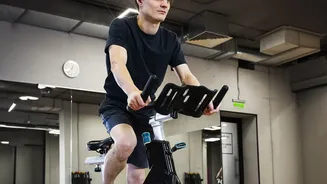








The Antidote to 'Sitting Disease'
Our bodies are not designed for the prolonged sitting that defines most office work. This inactivity, often dubbed 'sitting disease', is associated with a higher risk of developing chronic conditions like heart disease, type 2 diabetes, and certain cancers.
Even if you exercise regularly, long stretches of sitting can still have negative effects on your metabolism and circulation. Brisk walking and easy cycling are powerful tools to combat this. They act as frequent, low-intensity interruptions to sedentary time, helping to improve blood flow, regulate blood sugar, and keep your muscles and joints from becoming stiff and weak.
A Boost for Your Brainpower and Mood
Feeling that all-too-familiar afternoon slump? Instead of reaching for another coffee, a short walk or bike ride could be a more effective solution. Physical activity increases the flow of oxygen and blood to the brain, which can enhance alertness, improve memory, and boost concentration. Studies have shown that workers who incorporate light movement into their day perceive themselves as more attentive and can demonstrate better mental performance. Furthermore, exercise is a well-known stress-buster. It triggers the release of endorphins, our body's natural mood elevators, and can help reduce feelings of anxiety and work-related stress, leading to a more balanced and productive workday.
Good for the Heart, Easy on the Joints
You don't need to run a marathon to reap cardiovascular benefits. Low-intensity steady-state (LISS) cardio, like a brisk walk or a relaxed bike ride, is fantastic for heart health. These activities help strengthen the heart muscle, can lower blood pressure, and improve circulation without placing significant strain on your body. Unlike high-intensity workouts that require significant recovery time, walking and easy cycling are low-impact. This means they are gentle on your joints—your knees, hips, and ankles—making them a sustainable form of exercise you can do daily without a high risk of injury.
Fixing Your Posture and Aches
Hours spent hunched over a keyboard can lead to a predictable cluster of problems: a tight lower back, rounded shoulders, and a strained neck. Prolonged sitting shortens your hip flexors and can lead to muscle weakness in your glutes and legs. Walking and cycling help to counteract this by engaging these underused muscles and promoting better posture. Walking encourages an upright position, naturally aligning the spine and relieving pressure on compressed discs. Cycling, when done with a proper bike setup, can also strengthen the core and leg muscles that support good posture. Consistently breaking up your sitting time with these movements helps keep your body more mobile and resilient against common desk-related pains.
How to Make It a Habit
Integrating walking and cycling into a busy work schedule is more achievable than it sounds. The key is to start small and be consistent. Consider a 15-minute brisk walk during your lunch break. Or try 'active commuting' by cycling to work, even if it's just a couple of days a week. If you work from home, a short bike ride around the block before you start your day can clear your head. You can also take phone calls while walking around your home or office. A 2020 meta-analysis suggested that around 30-40 minutes of moderate-to-vigorous activity per day can offset the risks of sitting for 10 hours. This doesn't need to happen all at once; breaking it up into smaller, manageable chunks throughout the day is just as effective and often more sustainable.