





Understanding 'Extra' Trains
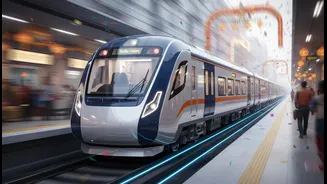
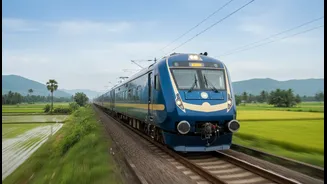
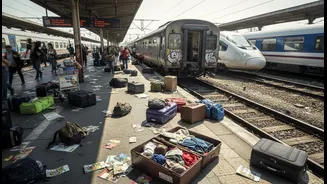
Indian Railways operates thousands of 'special trains' to manage the immense passenger rush during peak seasons like summer vacations, Diwali, Holi, and other major festivals. These are not regular, year-round services but are introduced specifically
to meet temporary demand. They are often identified by a five-digit number starting with '0'. For instance, the Railway Minister recently announced over 300 special trains for the Jagannath Rath Yatra and 100 for Onam. In addition to new services, railways also add extra coaches to existing high-demand trains to increase capacity. These measures are designed to provide relief and more travel options for families and individuals.
Timing Your Booking Perfectly
The golden rule for regular trains is to book as soon as the Advance Reservation Period (ARP) opens, which is typically 120 days before the journey. However, special trains operate on a different schedule. Their booking window is often much shorter, with announcements sometimes made only 15 to 30 days in advance. This means families need to be vigilant. Regularly monitor the official IRCTC website and app, and follow the official social media handles of Indian Railways and its various zones. Setting alerts on your calendar for expected festival periods can give you an edge the moment bookings open.
Your Official Go-To Resources
To get accurate information and book tickets, always rely on official channels. The primary platforms are the IRCTC Rail Connect app and the official website (irctc.co.in). For tracking trains in real-time, checking for cancellations or diversions, and finding platform numbers, the National Train Enquiry System (NTES) app is indispensable. It provides data directly from the railway's operational control, making it more reliable than third-party sources. Using these official tools helps you avoid misinformation and potential scams.
Think Outside the Main Station
A powerful strategy is to be flexible with your boarding and destination points. Major city stations are always the first to have their quotas exhausted. Consider booking your ticket from a station just before your city or to a station just after your intended destination. The ticket quota for the entire end-to-end journey of a train is often larger. You can book a longer journey and simply de-board at your actual stop. This 'split journey' tactic can also work wonders: if a direct ticket from City A to City C isn't available, try booking from A to B, and then a separate ticket from B to C on a connecting train.
Preparing for the Journey Itself
Booking a ticket on a special train is only half the battle. These trains can be just as crowded as regular services. When travelling with family, especially children, being prepared is key. Since some special trains may not have a pantry car, it's wise to check in advance using the NTES app and pack enough food and water for the journey. Always double-check your PNR status before leaving for the station, as waitlisted tickets on special trains can get confirmed even at the last minute. Using the IRCTC 'Master List' feature, where you pre-save passenger details, can save precious seconds during the high-pressure booking process.