





The Rise of Fibre-Forward Thinking
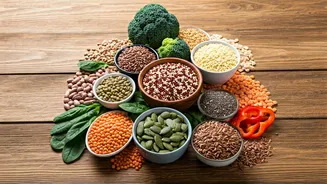
First, let's break down the term. Fibre-forward eating is a simple, powerful idea: prioritising dietary fibre in your meals. Fibre is a type of carbohydrate found in plant-based foods like grains, fruits, vegetables, and legumes that the body can't digest.
It plays a crucial role in our health, aiding digestion, helping to regulate blood sugar, lowering cholesterol, and keeping us feeling full longer. A diet rich in fibre is linked to a lower risk of heart disease, diabetes, and other chronic illnesses. The modern focus is a response to the rise of highly processed foods, which are often stripped of their natural fibre content. By consciously choosing fibre-rich foods, we support not just our digestive system, but our overall well-being.
The Built-In Wisdom of Indian Cuisine
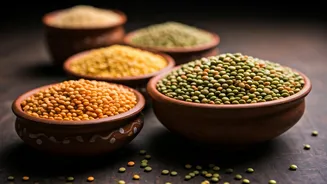
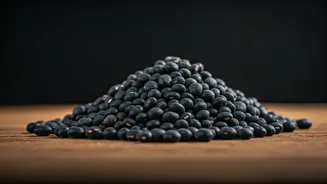
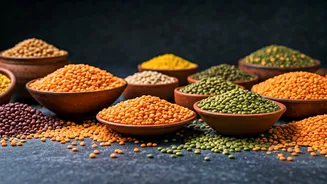
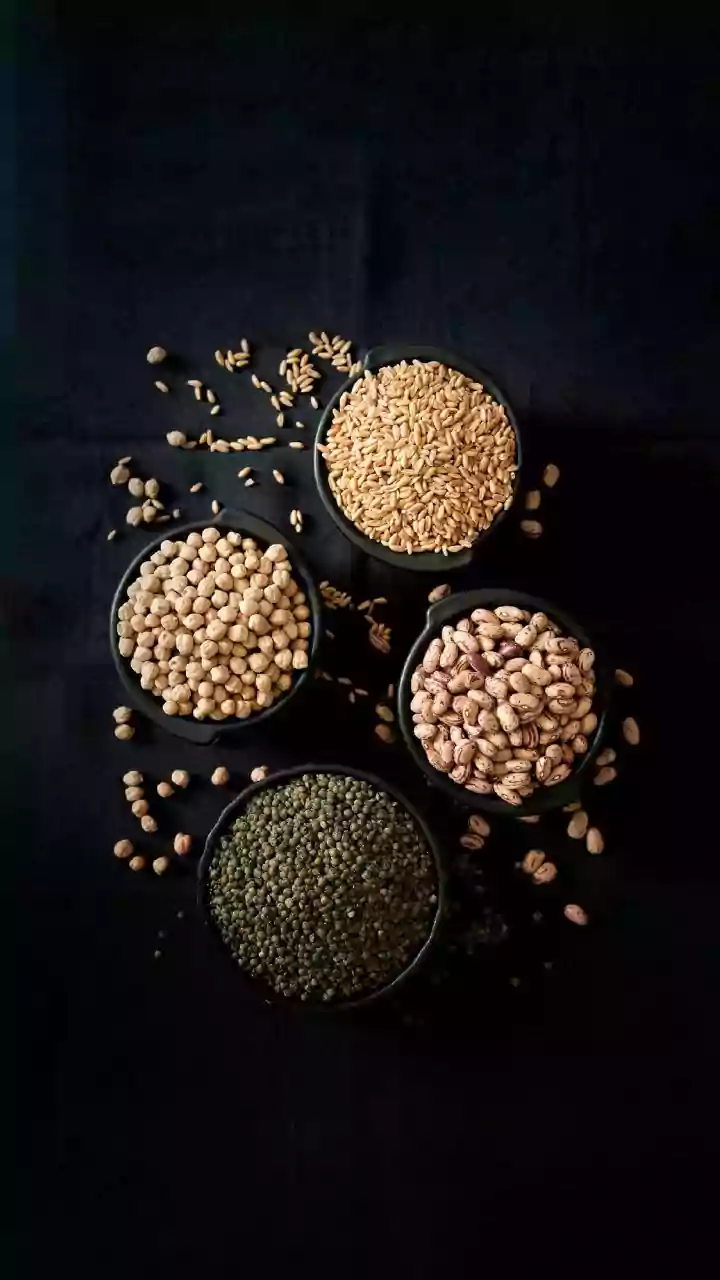
Here's where Indian kitchen logic shines. For centuries, traditional Indian meals have been naturally high in fibre, not because it was a trend, but because of a deep understanding of balanced nutrition. The core components of Indian cuisine are a masterclass in fibre-forward eating. We’re talking about whole grains like jowar, bajra, and whole wheat; a vast array of lentils and legumes (dal, chana, rajma); and a rainbow of seasonal vegetables and leafy greens. These aren't occasional additions; they are the very foundation of our daily meals, providing a potent mix of both soluble and insoluble fibre that promotes gut health and sustained energy.
It’s a System, Not Just Ingredients
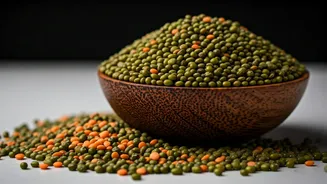
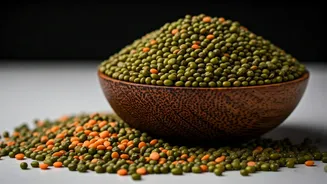
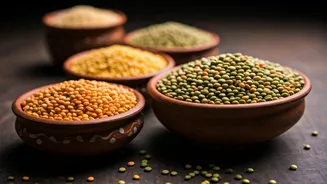
The true genius of the Indian approach lies in its structure. It's not just about eating a single high-fibre ingredient, but about combining them in a way that creates a complete, balanced system. Think of the humble dal. A staple in almost every household, a single serving of masoor, toor, or moong dal is packed with both protein and fibre. When paired with a whole-wheat roti or a portion of brown rice, and a side of vegetable sabzi, you have a meal that synergistically delivers complex carbs, essential proteins, and a significant dose of fibre. This combination slows down digestion, prevents sharp spikes in blood sugar, and ensures a feeling of satiety that reduces the urge for unhealthy snacking between meals.
The Thali: A Perfect Fibre Blueprint
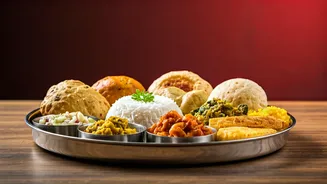
There is no better example of this philosophy than the Indian thali. A thali is a complete nutritional blueprint on a single plate. With its small bowls (katoris) of dal, sabzi, curd, and a central serving of rice or rotis, it champions variety and portion control. Half the plate is often dedicated to vegetables, a quarter to protein (dal or legumes), and a quarter to whole grains. This isn't a new-age diet plan; it's a centuries-old tradition that naturally aligns with the principles of fibre-forward eating. The inclusion of probiotic-rich curd, digestive spices, and a small salad further enhances its health benefits, creating a meal that is balanced, wholesome, and incredibly satisfying.
Applying the Logic in Modern Life
In our fast-paced lives, it's easy to stray from these traditional patterns. But embracing Indian kitchen logic doesn't require a complete overhaul. It's about making small, conscious choices. Swap refined flour rotis for those made with millets like ragi or bajra. Ensure at least one meal a day includes a generous portion of dal or legumes. Start your meal with a simple kachumber salad to increase your raw vegetable intake. Instead of reaching for a processed snack, opt for a handful of roasted chana or some sprouts. It's about looking at the food we grew up with, not as old-fashioned, but as a time-tested guide to modern health.