

How Hydrogen Powers a Train
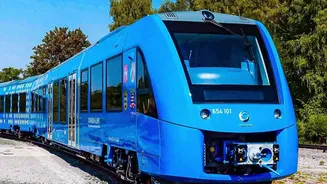
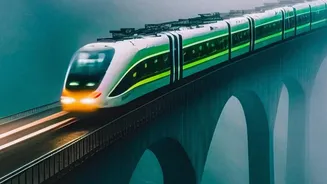
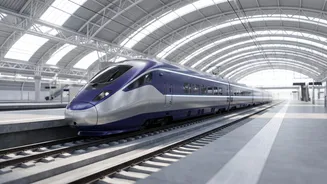
At its heart, a hydrogen train is an electric train with its own power plant on board. Instead of drawing power from overhead wires, it uses fuel cells to generate electricity. Tanks on the train store compressed hydrogen gas. Inside the fuel cell, this
hydrogen is combined with oxygen taken from the ambient air. This electrochemical reaction produces two things: electricity to power the train's motors and pure water vapour, which is the only emission. Many designs also include batteries to store excess energy, such as that captured during braking, which can then be used to provide a power boost for acceleration or climbing steep gradients.
The Zero-Emission Advantage
The most significant benefit of hydrogen fuel cell trains is what they don't produce. Unlike diesel engines, they emit no carbon dioxide (CO2), no soot, and no harmful nitrogen oxides or particulate matter at the point of use. This makes them a 'zero-emission' solution for rail transport. Furthermore, they are remarkably quiet. The primary sounds come from the wheels on the rails and the air conditioning systems, not a loud internal combustion engine. This drastic reduction in noise and air pollution improves the passenger experience and minimises disturbance to wildlife and communities along the railway line, a crucial factor in environmentally sensitive areas.
Preserving Views Without Wires
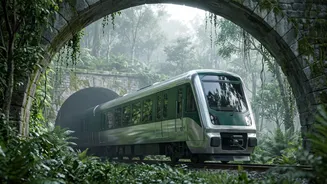
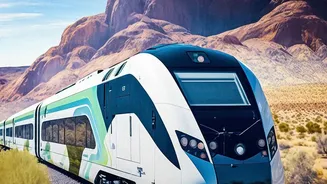
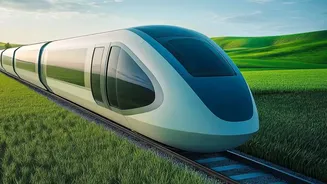
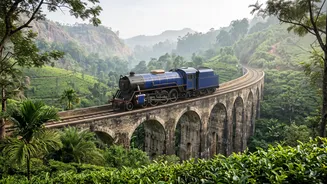
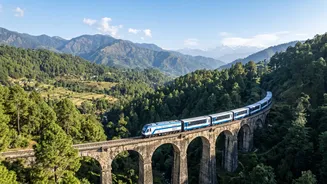
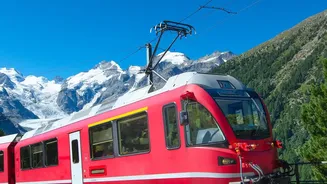
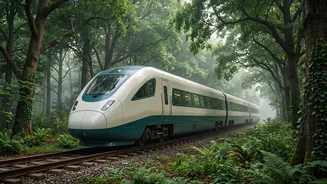
For scenic and heritage railways, the aesthetic impact of infrastructure is a major consideration. While full electrification is a clean alternative to diesel, it requires installing a network of overhead lines, masts, and substations. This infrastructure can permanently scar beautiful landscapes and may be unsuitable for historically protected areas. Hydrogen trains completely avoid this problem. They provide the clean, efficient performance of electric traction without the need for continuous, visually intrusive overhead wires. This allows operators to decarbonise routes through national parks, heritage sites, and areas of outstanding natural beauty while preserving the very vistas that attract tourists.
India's 'Hydrogen for Heritage' Push
India is actively exploring this technology for its iconic rail routes. Under the 'Hydrogen for Heritage' initiative, Indian Railways plans to introduce 35 hydrogen-powered trains on various heritage and hill routes. The Kalka-Shimla railway is one of the heritage lines earmarked for this green transition. Rather than purchasing new trains, the strategy often involves retrofitting existing Diesel Electric Multiple Unit (DEMU) rakes with hydrogen fuel cell systems. The first indigenous hydrogen train was flagged off on the Jind-Sonipat section in July 2026, marking a major milestone for the country's green transport ambitions. This positions India among a select group of nations, including Germany and Canada, that are proving the viability of hydrogen rail in real-world passenger service.
Challenges on the Track Ahead
Despite the clear benefits, the widespread adoption of hydrogen trains faces hurdles. The initial cost of the trains and the necessary refuelling infrastructure is high. While India aims to control costs by retrofitting existing trains, the investment remains significant. Another major challenge is the production of 'green' hydrogen—hydrogen created using renewable energy like solar or wind. This process is currently expensive and energy-intensive. Ensuring a reliable and cost-effective supply of green hydrogen is essential for the technology to be truly sustainable from well to wheel. As the technology matures and production scales up, these costs are expected to decrease, making hydrogen a more competitive option for the future of rail.