






The Seductive Promise of the Expo Floor
Walk through the halls of the CODISSIA Trade Fair Complex during Agri Intex, and it’s easy to feel optimistic about the future of Indian agriculture. The event, one of the largest of its kind in the country, presents a vision of farming that is efficient,
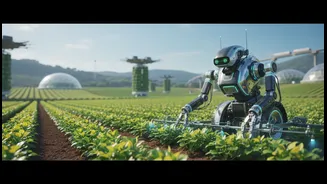
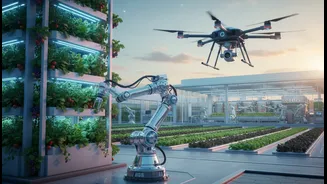
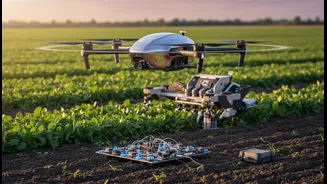
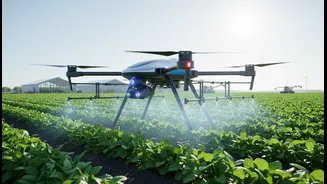
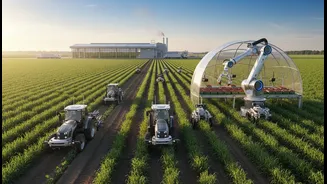
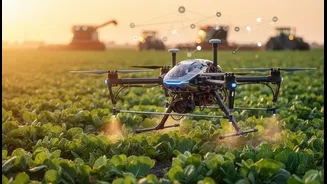
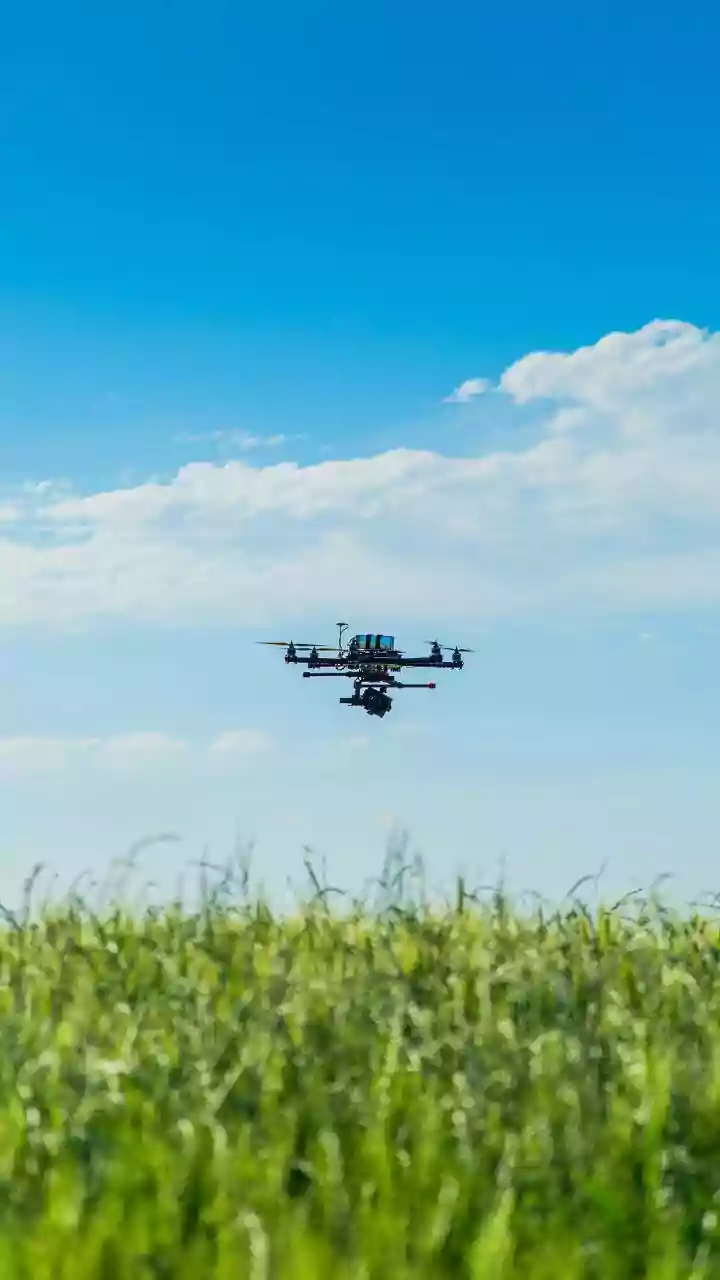
precise, and highly productive. Exhibitors from across the globe display everything from automated irrigation systems and advanced planting equipment to smart farming solutions that leverage AI and IoT. For the thousands of farmers, agripreneurs, and policymakers who attend, it's a powerful and compelling glimpse of what could be. These demonstrations, conducted in a controlled environment, show technology at its absolute best. A drone perfectly mists a designated patch, a sensor gives a flawless reading, and a new harvester model gleams under the exhibition lights. The appeal is undeniable, suggesting that with the right investment, farming challenges can be engineered away.
When Technology Meets the Real World
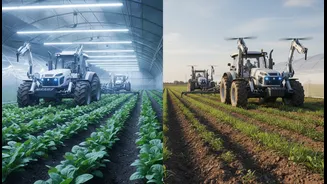
The problem is that a farmer's field is nothing like an expo hall. The real-world challenges faced by cultivators in the Coimbatore region, and across India, are messy, unpredictable, and complex. A high-tech machine that works perfectly on a level, curated plot might struggle with the fragmented and uneven landholdings typical for small farmers. An advanced IoT sensor is only as reliable as the rural power supply and internet connectivity, which are often erratic. Farmers in the region already grapple with severe fertilizer shortages, price volatility, damage from wild boars, and the high cost of labour. These are not problems that a single piece of technology, however advanced, can easily solve. Furthermore, the question of maintenance looms large. When a sophisticated machine breaks down, is there a qualified technician in the next village, or is the nearest service centre hundreds of kilometres away? This gap between demonstration and implementation is where the promise of many agritech innovations begins to fade.
The Farmer's Calculus of Risk
It's a common misconception that farmers are resistant to change. In reality, they are expert risk managers. For a small or marginal farmer, whose entire livelihood depends on a few acres of land, adopting an unproven technology is a massive gamble. Many have been disappointed by solutions that overpromised and underdelivered. A failed experiment isn't just a learning experience; it can mean a lost season and crippling debt. The economics of 'smart farming' often don't add up for those with tight margins. A farmer earning a modest income from one or two hectares cannot be expected to invest in expensive equipment without a near-guaranteed return on investment. This is why adoption rates for new technologies often lag far behind the hype. Their decision-making is not based on the novelty of a technology but on a pragmatic calculation: Will this reliably increase my income, reduce my costs, or solve a problem I can't solve myself?
Building a Bridge from Demo to Farm
Agri Intex and similar expos play a vital role in introducing new ideas and sparking conversations. However, to translate that potential into real-world success, the industry needs to move beyond the expo floor. A more effective model would involve creating a stronger bridge between innovators and end-users. This means more extensive on-farm trials in diverse local conditions, not just in idealised settings. It requires agritech companies to work closely with Farmer Producer Organisations (FPOs) and Krishi Vigyan Kendras (KVKs) to understand ground realities and co-create solutions. Rather than just showcasing products, companies need to demonstrate a viable service and support ecosystem. Policymakers can help by creating subsidy programs that de-risk initial adoption for small farmers and by investing in the rural infrastructure—like stable power and internet—that modern agritech depends on.