



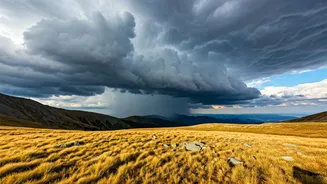


A Symphony of Green and Mist
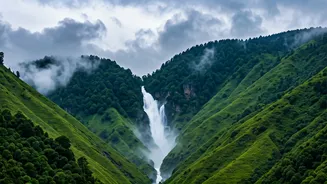
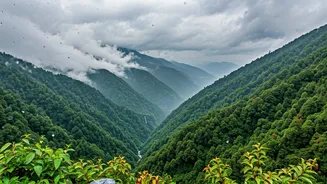
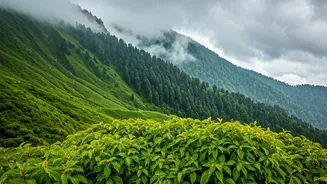
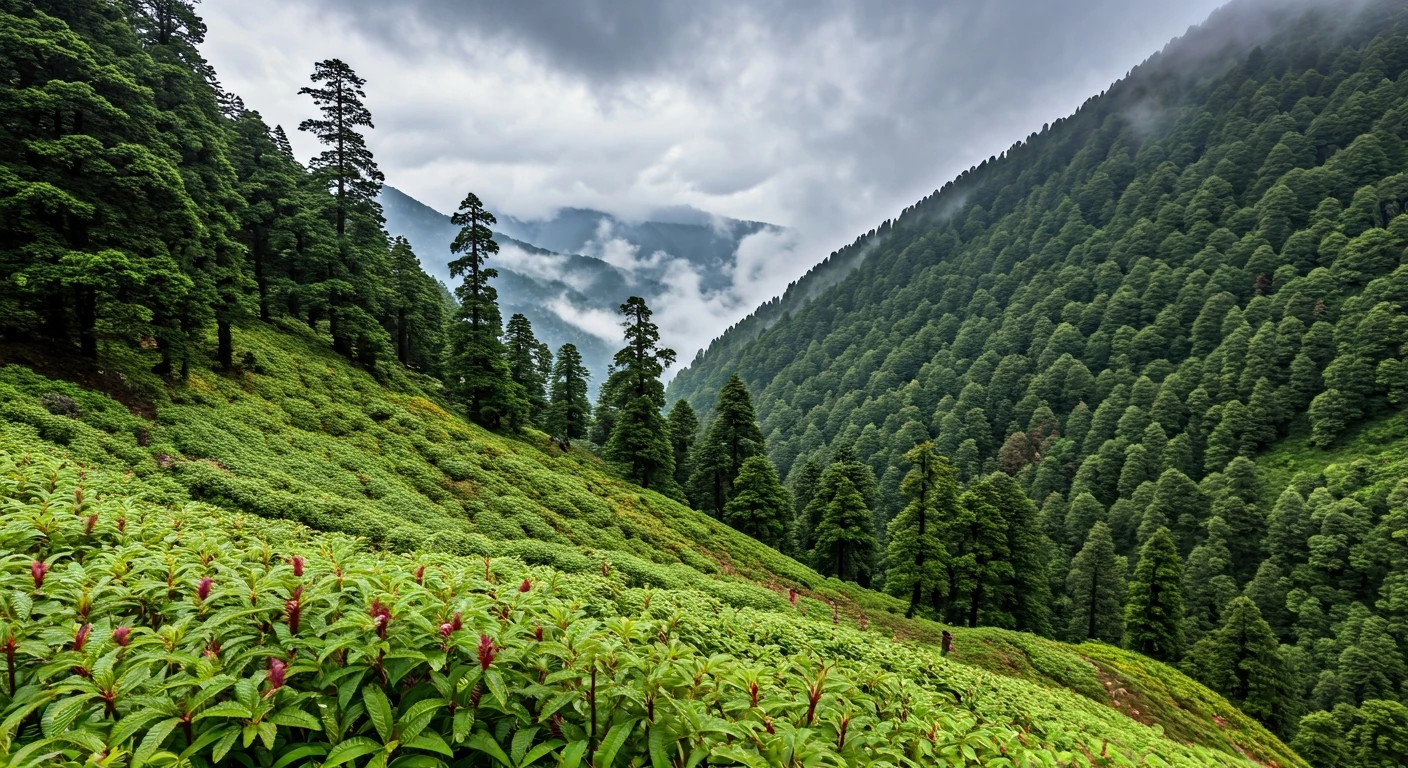
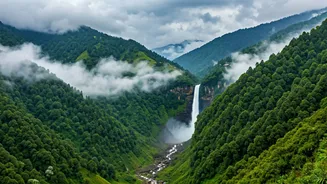
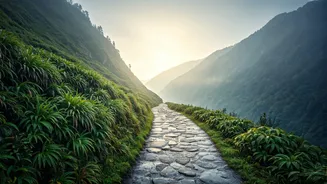
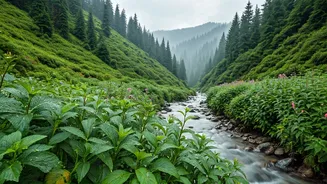
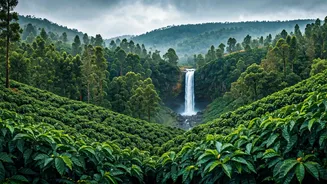
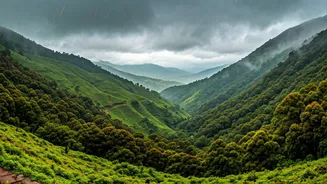
From June to September, the monsoon breathes a fresh, vibrant life into Sikkim. The incessant rains wash the dust away, leaving behind a landscape so lush it almost seems unreal. The hillsides are draped in a thousand shades of green, and waterfalls that
are mere trickles in other seasons become thunderous cascades of white. This is a time when the mountains play hide and seek, shrouded in a thick, romantic mist that rolls down into the valleys, wrapping monasteries and villages in a soft, ethereal blanket. For photographers and nature lovers, this period offers a dramatic canvas—clouds clinging to cliff edges, dewdrops on wild orchids, and a serene, untouched beauty that peak tourist seasons often miss.
The Soundtrack of the Season
The experience of a Sikkimese monsoon is as much about sound as it is about sight. The constant, rhythmic drumming of rain on tin roofs becomes a soothing background score to your days. It’s a sound that encourages you to slow down, to curl up with a book and a hot cup of local Temi tea. This is accompanied by the powerful roar of rivers like the Teesta, which swell with rainwater, and the chorus of unseen insects that come alive in the damp air. The monasteries, too, seem to hum with a different kind of energy. The sound of prayer bells often mixes with the pitter-patter of rain, creating a deeply meditative and peaceful atmosphere that feels a world away from the rush of daily life.
Comfort Food for Rainy Days
The cool, damp weather is the perfect excuse to indulge in Sikkim’s hearty and flavourful cuisine. There is nothing quite like seeking refuge in a small, cozy cafe in Gangtok and ordering a plate of piping hot momos—steamed dumplings filled with meat or vegetables, served with a fiery red chutney. Another monsoon essential is Thukpa, a comforting Tibetan noodle soup brimming with fresh vegetables and your choice of meat, guaranteed to warm you from the inside out. For the more adventurous palate, there's Gundruk and Sinki, traditional fermented vegetable preparations that offer a unique tangy flavour, often cooked into warming soups perfect for a rainy day.
Finding Your Monsoon Sanctuary
While the monsoon might make some high-altitude regions in North Sikkim inaccessible due to landslide risks, the southern and western parts of the state are generally safer and incredibly rewarding. Gangtok, the capital, serves as a comfortable and modern base with its charming cafes and bustling markets. Pelling, in West Sikkim, offers stunning views of mist-covered ruins and monasteries, with well-maintained roads. Yuksom, the historical first capital, becomes an old-world paradise, perfect for those seeking solitude and a glimpse into the state's history amidst lush surroundings. These towns offer a quieter, more intimate experience, with fewer tourists and attractive off-season hotel prices.
A Note on Practicality
Embracing the monsoon bliss does require a degree of practical planning. The primary concern is road travel, as heavy rains can sometimes lead to landslides and blockages, particularly on the main highway, NH-10. It’s wise to build buffer days into your itinerary to account for any potential delays and to avoid travelling at night. Hiring a local driver who is experienced with the mountain roads during this season is highly recommended. Pack a good raincoat, waterproof footwear, and quick-drying clothes. With a flexible mindset and the right preparation, the challenges become part of the adventure, allowing you to experience a side of Sikkim that is raw, real, and profoundly beautiful.