


From Waste to Wonder Ingredient
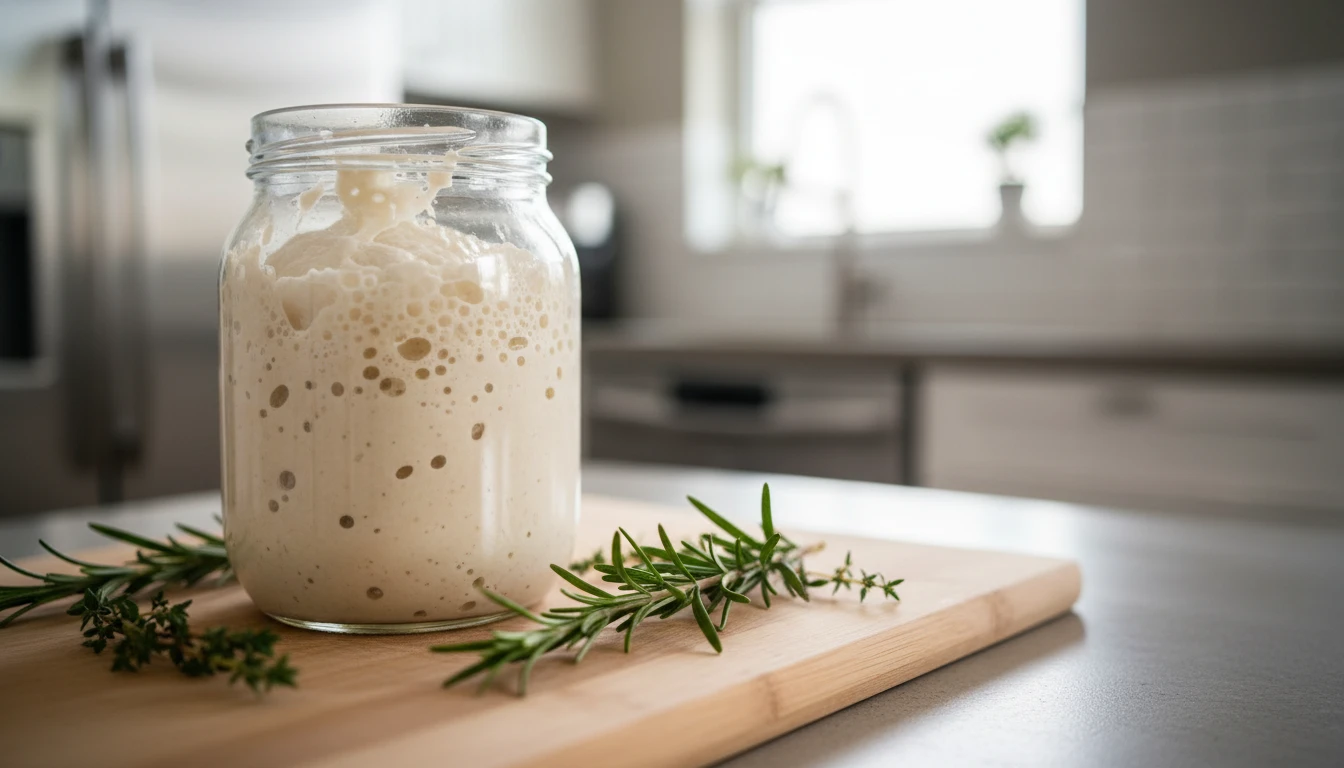
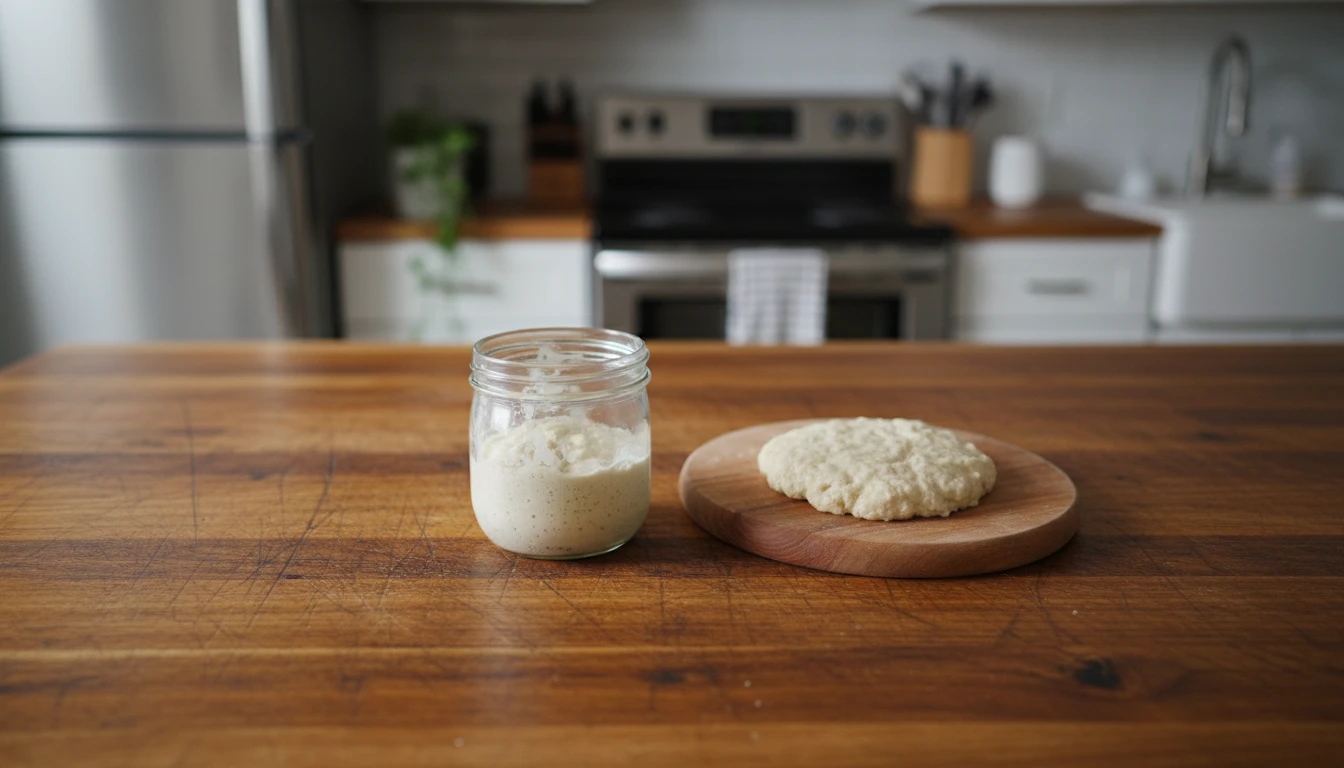
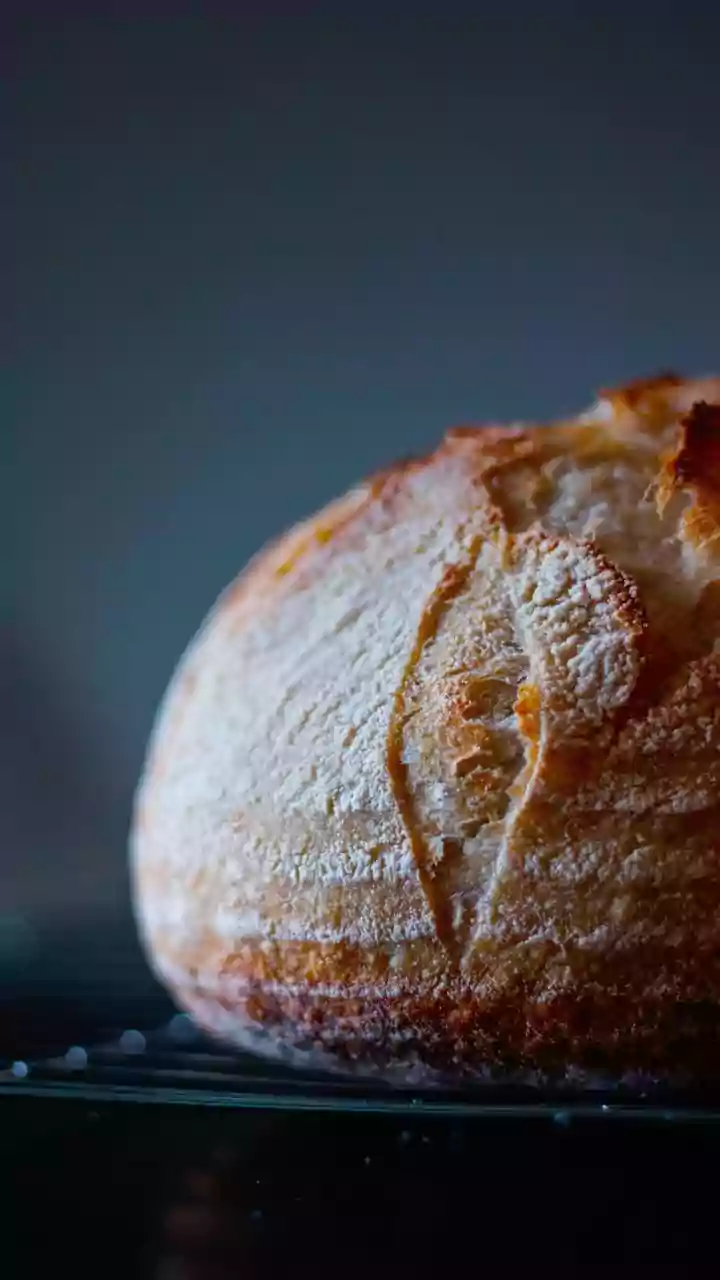
First, let's clarify what sourdough discard is. When you maintain a sourdough starter, you regularly feed it fresh flour and water to keep the wild yeast and bacteria healthy and active. To prevent the starter from growing into an unmanageable giant,
you remove a portion before each feeding—this portion is the “discard.” While it's no longer potent enough to leaven a loaf of bread on its own, it is far from useless. This mixture of fermented flour and water is a complex flavour and texture agent, and throwing it out is a missed opportunity for both your palate and your eco-friendly kitchen goals. Think of it not as waste, but as a flavour-packed, pre-fermented ingredient ready to elevate your cooking.
The Science of Gourmet Texture
The magic of discard lies in its composition. It’s acidic, packed with enzymes, and contains degraded gluten. This acidity, primarily lactic and acetic acids, tenderizes baked goods by inhibiting excessive gluten development, resulting in a softer crumb. This is similar to how buttermilk works in recipes. Furthermore, the acidity reacts with leavening agents like baking soda, producing an extra burst of carbon dioxide that can make pancakes and waffles exceptionally light and fluffy. The enzymes present in the discard have already started to break down the starches and proteins in the flour, a process that pre-digests the flour and unlocks more flavour and tenderness. This enzymatic activity is key to achieving textures that are hard to replicate with fresh ingredients alone.
Unlocking Fluffiness in Pancakes and Waffles
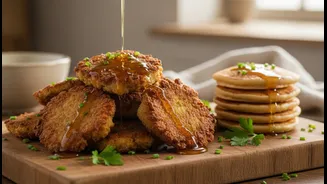
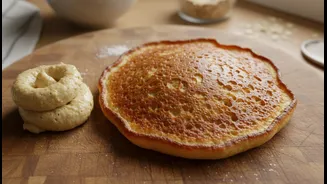
Perhaps the most popular use for sourdough discard is in pan-fried breakfast staples like pancakes and waffles, and for good reason. The discard adds a subtle, complex tang that balances the sweetness of syrup and fruit toppings. But the real star is the texture. When you add discard to your batter and let it rest for even a few minutes, its natural acids get to work tenderizing the flour. When the batter hits the hot pan, the acidity reacts with baking soda to create a powerful lift, resulting in pancakes that are noticeably fluffier and more delicate than standard recipes. The pre-fermented nature of the discard also contributes to better browning, giving you that perfect golden, slightly crisp exterior.
Mastering the Perfect Chew in Flatbreads
While discard can create fluffiness, it can also produce the opposite and equally desirable texture: a satisfying chew. In pan-cooked flatbreads, such as tortillas or naan-style breads, the developed gluten and tangy flavour of the discard are major assets. Some of the simplest flatbreads can be made with nothing more than discard, fat, and salt, cooked directly in a hot skillet. The result is a bread that's crispy on the outside but wonderfully chewy and pliable in the middle. The fermented flavour adds a depth that you won't find in quick, yeast-free flatbreads. For these recipes, the discard isn't just a supporting character; it's the main ingredient, delivering both structure and taste in a matter of minutes.
Achieving a Superior Crisp
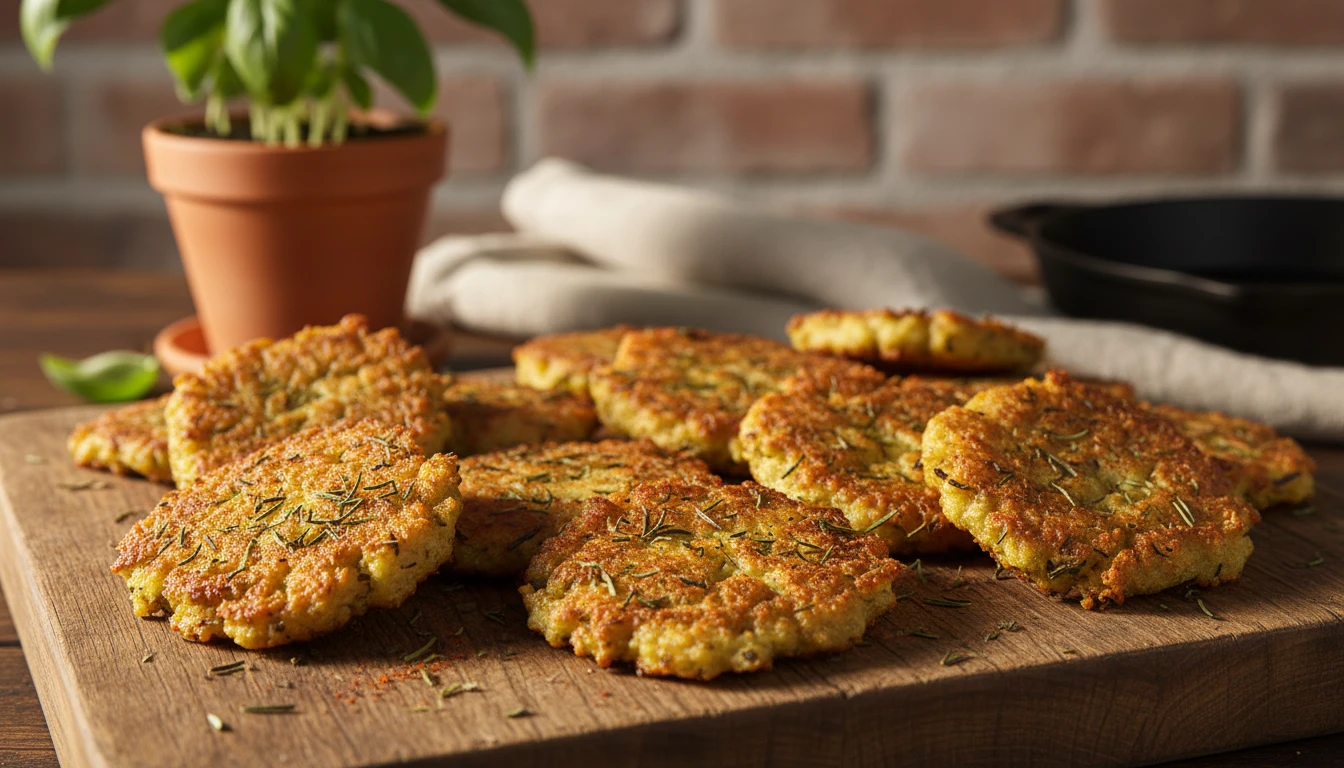
Beyond soft and chewy, sourdough discard is also a secret weapon for creating an unbeatable crisp. Think of pan-fried fritters, savoury crepes, or crackers. The residual sugars and broken-down proteins in the discard encourage the Maillard reaction, the chemical process responsible for browning and creating complex, savoury flavours. This leads to a crispier, crunchier finish. When used in a batter for zucchini or corn fritters, the discard helps form a delicate, crunchy crust that stays crisp long after cooking. For crackers made primarily from discard, the result is a thin, snappy texture with a tangy undertone that makes them incredibly addictive and a perfect pairing for cheeses and dips.