







The Hidden Danger of Power Returning
It’s not usually the power going out that harms your appliances; it’s the moment it comes back on. When the grid is restored after an outage, it can send a sudden, powerful surge of electricity through the lines. This jolt of high voltage, even if it lasts
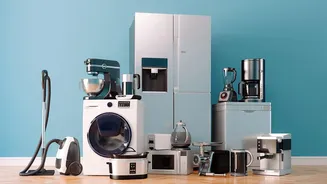
only for a fraction of a second, can overload and fry the sensitive electronic circuits in modern devices like televisions, refrigerators, computers, and air conditioners. Monsoon storms, with lightning and falling trees, make these surges even more common and severe. Unstable power, like flickering lights or low voltage 'brownouts', also puts a strain on motors and components, leading to a shorter lifespan for your valuable equipment.
Before the Power Goes Out: Your Proactive Checklist
Being prepared is your best defence. When you notice flickering lights or a storm is brewing, take these simple, proactive steps. First and foremost, unplug everything you can. Disconnecting appliances is the most effective way to protect them from a potential surge. Prioritise sensitive and expensive electronics like your TV, computer, gaming consoles, and microwave. If you are at home, turn off your air conditioner at the thermostat. This prevents it from starting up immediately when power returns, which not only protects the unit but also reduces the initial load on the grid, helping to prevent another immediate outage. It is also a good time to ensure you are using quality surge protectors for devices you can't easily unplug. A basic power strip only adds more outlets; a true surge protector is designed to absorb and divert excess voltage. This provides a crucial layer of defence, especially for items you might forget to unplug.
When the Power Comes Back: A Step-by-Step Guide
The power is back, but don't rush to plug everything in. The first few minutes are critical, as the voltage can be unstable. Patience now can save you a fortune in repairs later. 1. Wait for 5-10 minutes. Give the power supply time to stabilise. A steady light that is not flickering is a good sign that the connection is stable. 2. Don't turn everything on at once. Bringing all your appliances online simultaneously can overload your home's circuits and potentially damage the appliances themselves. 3. Start with the essentials. Begin by plugging in your refrigerator and freezer, as keeping food safe is a priority. Listen for any unusual sounds as they start up. 4. Gradually reconnect other appliances. After another minute, you can start plugging in and turning on other devices one by one. Leave the heavy-duty appliances like air conditioners, water heaters, and washing machines for last. This staggered approach prevents a sudden, massive demand for power that can cause issues.
Long-Term Protection: Investing for Peace of Mind
For year-round protection, especially in areas with frequent power fluctuations, consider a couple of key investments. Whole-home surge protectors can be installed by an electrician at your main electrical panel, providing a first line of defence for your entire house. For individual, high-value appliances like refrigerators and air conditioners, a voltage stabilizer is a must-have in many parts of India. While a surge protector guards against sudden spikes, a stabilizer manages constant high or low voltage, ensuring your appliance receives a steady, safe supply of power. This constant regulation prevents the slow, cumulative damage that shortens the life of motors and compressors. Using a combination of these tools provides robust protection against the unpredictable nature of the power grid during monsoon season and beyond.