


The Original Primetime Event
Long before streaming services and stadium tours, there was the night sky. It’s the original primetime event, a show that has been running for billions of years with an ever-changing cast of characters. And the best part? Everyone has a front-row seat.
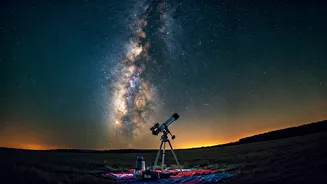
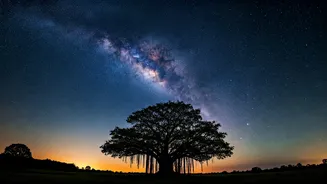
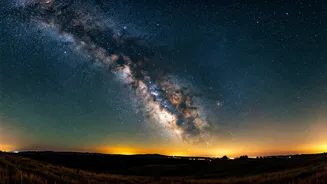
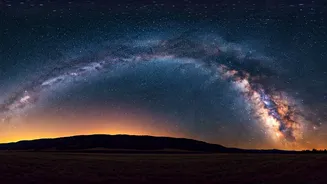
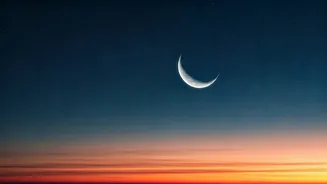
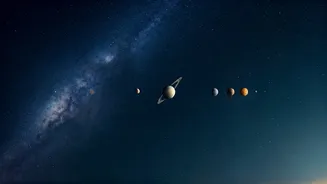
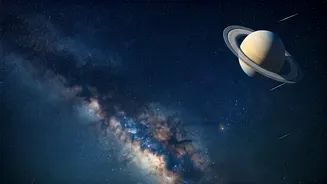
The performance begins every single night, just after sunset, with a subtle dimming of the house lights before the first star, usually a bright planet like Venus or Jupiter, makes its grand entrance. This isn't a passive experience you watch on a screen; it’s an immersive, 3D spectacle that wraps around you. It’s the ultimate shared experience, connecting us not just to each other, but to every human who has ever looked up in wonder. No special effects budget in Hollywood can compete with the silent, silvery sweep of the Milky Way on a clear, dark night.
More Than Just Looking Up
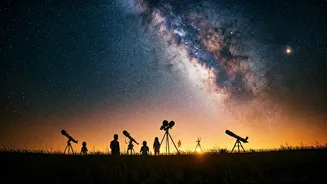
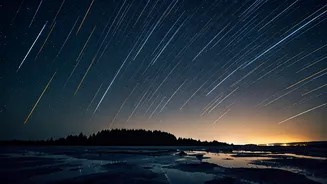
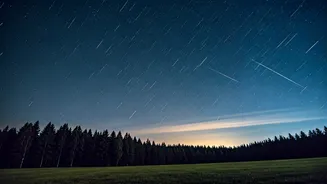
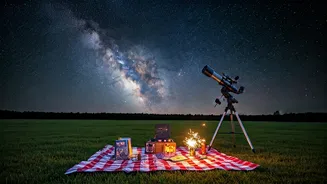
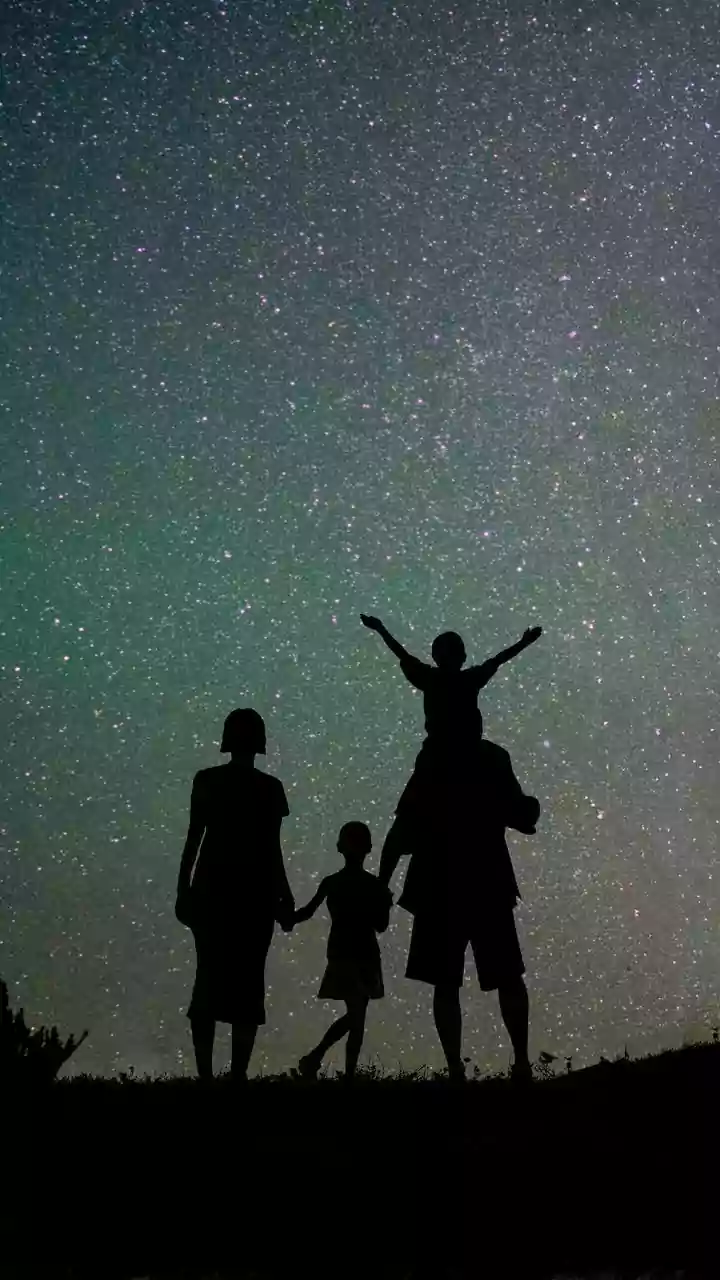
The real magic isn’t just in the stars themselves, but in what happens on the ground while you’re watching them. It’s in the collective hush that falls over a family when you lay a blanket down in a dark field. It’s the small, warm body of your child snuggled next to you, pointing a tiny finger and asking, “What’s that one?” It’s in the quiet conversations that emerge in the darkness, unburdened by the distractions of glowing screens and daily routines. In these moments, you’re not just a parent and child; you’re co-explorers. You are watching the same meteor streak across the sky, sharing the same gasp of delight. These are the moments that build a family’s private folklore, the “remember when we saw that shooting star?” stories that last longer than any souvenir.
Your Guide to the Celestial Theater
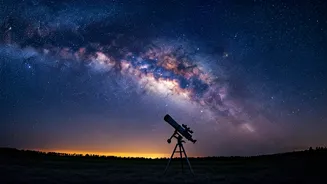
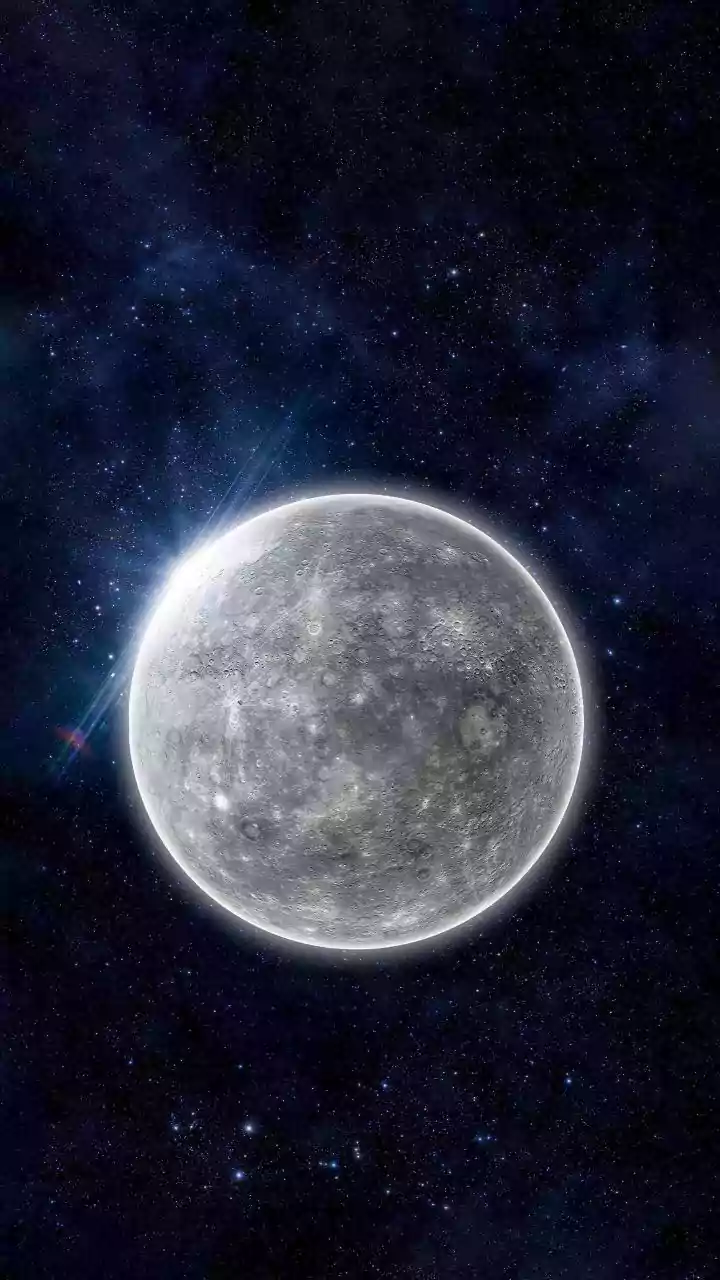
Getting tickets to this show is simple, though it does require a little planning. The main antagonist is light pollution. To see the best performance, you need to get away from city lights. A state park, a rural backroad, or even the less-developed end of a local park can work wonders. Check a light pollution map online to find your nearest “dark-sky” location. You don’t need a fancy telescope. Your naked eyes are the perfect tools for taking in the grand sweep of constellations, and a simple pair of binoculars can reveal stunning details, like the craters on the Moon or the four largest moons of Jupiter. Download a free stargazing app (like SkyView Lite or Stellarium) to your phone. It uses your location to show you exactly what you’re looking at, turning a confusing jumble of dots into Orion the Hunter or the Big Dipper. Pack blankets, warm drinks, and snacks. The show can last for hours.
A Different Kind of Value
In a world that constantly asks our kids to consume, the night sky asks them to wonder. A ticketed event has a clear beginning and end; it delivers a pre-packaged, predictable dose of fun. Stargazing, by contrast, is open-ended. It offers lessons in patience (waiting for your eyes to adjust to the dark), perspective (realizing how tiny we are in the grand scheme of things), and curiosity. It’s a quiet rebellion against the over-scheduled, high-pressure, and expensive nature of modern family life. It proves that the most valuable things—awe, connection, memory—often have no price tag. It reminds us that entertainment doesn’t have to be something we buy, but can be something we discover together.