


A Persistent Threat to Livelihoods
Across India, crop losses due to pests and diseases are a staggering problem, with some estimates suggesting 15-25% of all crops are lost annually. For the agricultural heartlands of Punjab and Maharashtra, this isn't just a statistic; it's a direct threat
to the livelihoods of millions. A farmer might notice worrying signs—yellowing leaves, strange spots, or wilting stems—on their wheat, cotton, or potato crops. Traditionally, their next step would be a trip to a local agricultural extension officer or an agri-input dealer for advice. However, with a massive gap between the number of farmers and available experts, getting timely and accurate advice is a huge challenge. This delay can be costly, as a misdiagnosis or slow response allows a manageable issue to escalate into a field-wide disaster, wiping out a season's income.
An Agricultural Expert in Your Pocket
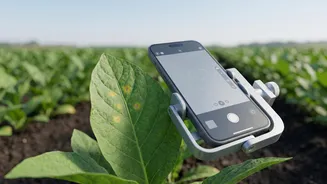
Artificial intelligence is changing this dynamic entirely. A new generation of smartphone applications, such as Plantix, puts a powerful diagnostic tool directly into farmers' hands. The process is remarkably simple: a farmer takes a photo of a suspicious-looking leaf or plant part using their phone. The app's AI, which has been trained on millions of images of plants in various states of health and disease, analyzes the photo in seconds. It compares the visual patterns—discoloration, lesions, textures—to its vast database to identify the most likely disease or pest. Within moments, it provides a diagnosis and, crucially, recommends a course of action, often in the farmer's local language like Marathi or Punjabi.
How AI Learns to See Disease
The magic behind these apps is a technology called deep learning, a type of AI. Developers 'train' these systems by feeding them hundreds of thousands of labeled images from agricultural research institutes. For instance, the AI learns what a healthy potato leaf looks like compared to one afflicted with late blight, or the difference between nutrient deficiency and a viral infection in a tomato plant. The more data it processes, the smarter and more accurate it becomes. Some advanced systems even incorporate additional data like the phone's GPS location and the current season to improve diagnostic accuracy, as certain diseases are more prevalent in specific regions and times of the year. While lab-tested accuracy can be over 90%, real-world field accuracy is generally in the 70-85% range, which is still a significant improvement over traditional methods.
Impact on the Ground in Maharashtra and Punjab
In Maharashtra, this technology is already proving its worth. The state's Smart Agriculture Program utilizes data from apps like Plantix to create real-time maps of disease outbreaks. For example, by analyzing user-submitted photos, the system can identify hotspots for pests like the pink bollworm in cotton-growing regions, allowing authorities to issue early warnings. In Punjab, a hub for potato cultivation, the focus is on producing disease-free seeds from the start. A new government virus-indexing lab in Jalandhar, which uses advanced diagnostic techniques, complements the on-the-ground work of AI apps by ensuring farmers begin with healthy stock. Researchers at institutions like Chandigarh University are also developing AI apps specifically trained to detect diseases common in potatoes and tomatoes.
Beyond Diagnosis: A Move Towards Smarter Farming
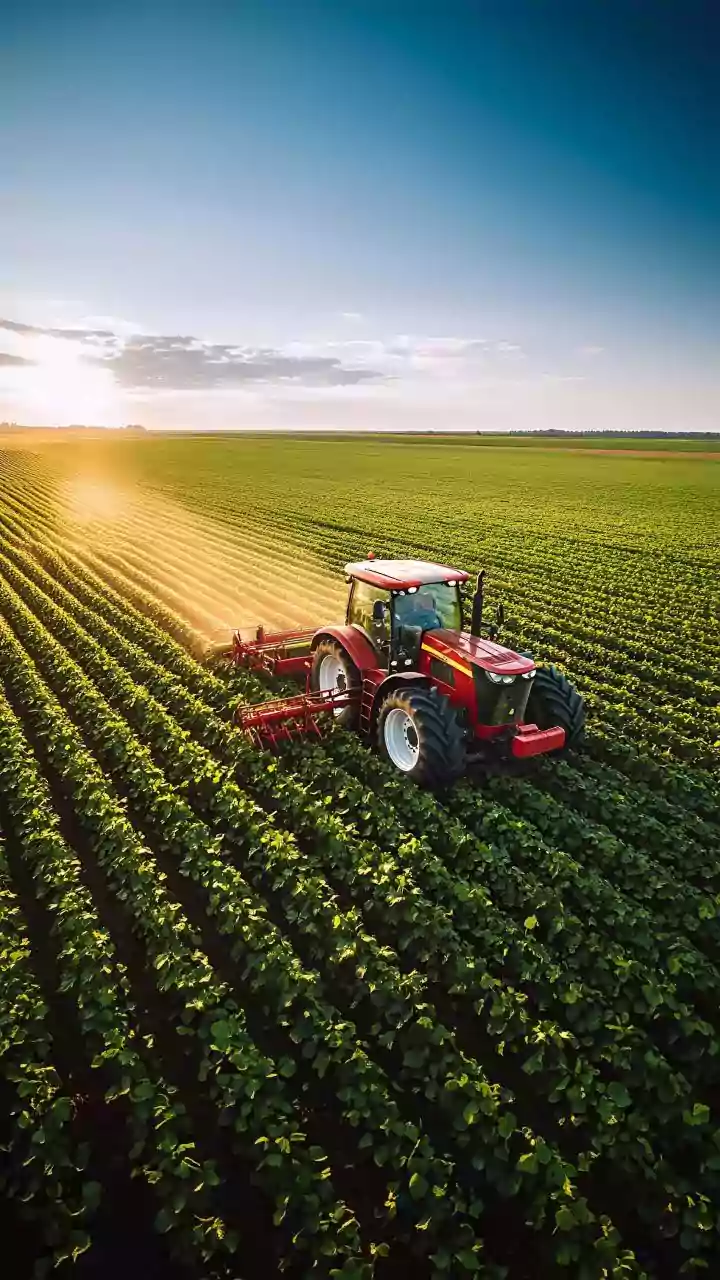
The benefits of AI-powered detection go far beyond just identifying a single sick plant. This technology is a cornerstone of precision agriculture, which is all about applying the right intervention at the right time. By getting a quick and accurate diagnosis, farmers can avoid the 'spray and pray' approach of using broad-spectrum pesticides, which are often costly and environmentally damaging. Instead, they can use a targeted treatment, saving money and reducing chemical runoff. Studies have shown that using these AI tools can dramatically reduce the time it takes to make a treatment decision from several days to mere hours and significantly improve the chances of using the correct first treatment. This leads to higher yields, increased profits, and more sustainable farming practices that benefit everyone.