





What Exactly Is This 'Super El Niño'?
El Niño, which means 'the boy child' in Spanish, is a natural climate pattern where sea surface temperatures in the central and eastern tropical Pacific Ocean become unusually warm. This warming alters atmospheric circulation and affects weather patterns
across the globe. A 'Super El Niño' is an exceptionally strong version of this event, defined by Pacific sea temperatures rising 2°C or more above average. The current forecast for the 2026-2027 event is alarming; some models predict ocean surface temperatures could rise to 3.8°C above normal between November 2026 and January 2027, a figure the World Meteorological Organization (WMO) has described as 'literally off the monitoring charts'. This event has been strengthening since June and is expected to peak towards the end of 2026, with its impacts lasting well into 2027.
The Double Threat: Extreme Heat and Floods
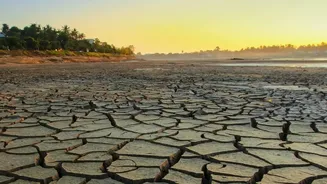
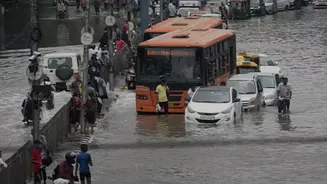
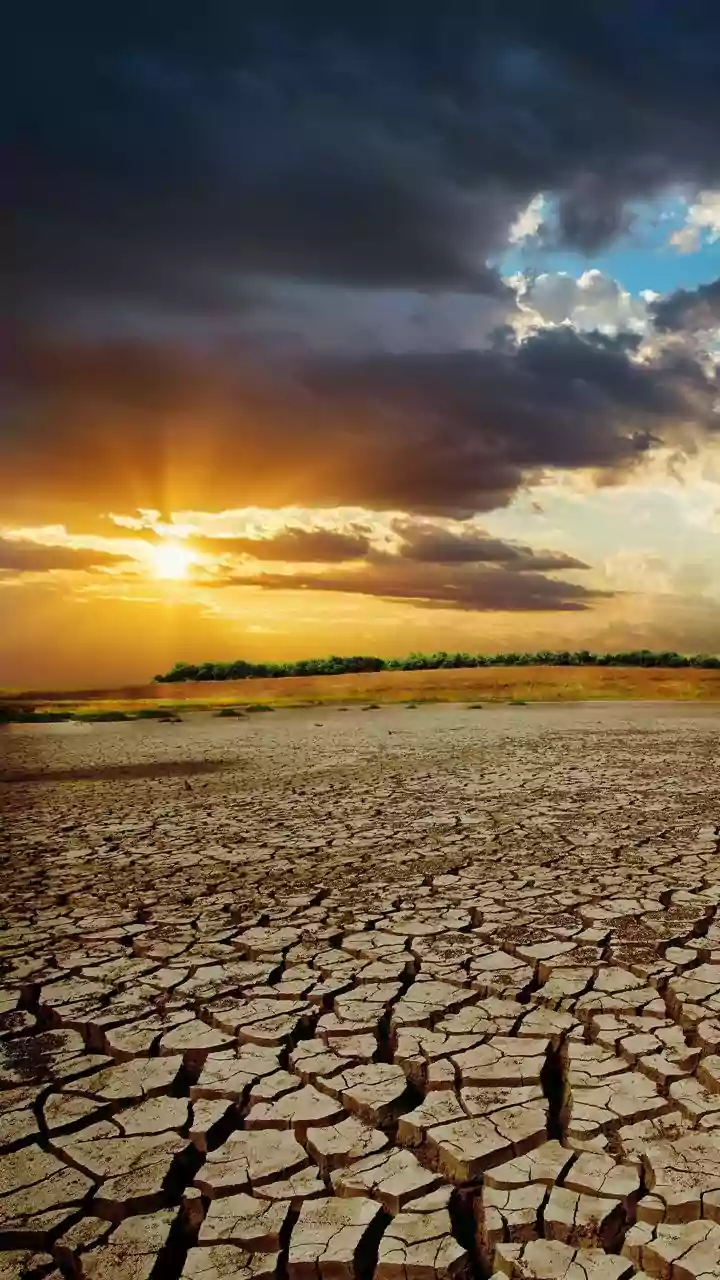
For India, El Niño's impacts are often complex and contradictory. The primary concern is often drought, as El Niño conditions can weaken the monsoon winds that bring essential rain to the subcontinent. However, the looming event presents a dual threat. While some regions face the risk of below-normal rainfall and heatwaves, others could experience severe flooding. A warmer atmosphere holds more moisture—about 7% more for every degree Celsius of warming—which means that when it does rain, it can be far more intense. This can lead to sudden, devastating downpours and urban flooding, even in a season with an overall rainfall deficit. The phenomenon has been compared to a monsoon of contrasts: long dry spells broken by short, extreme rainfall events.
Bracing for Record-Breaking Heat
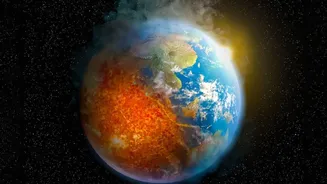
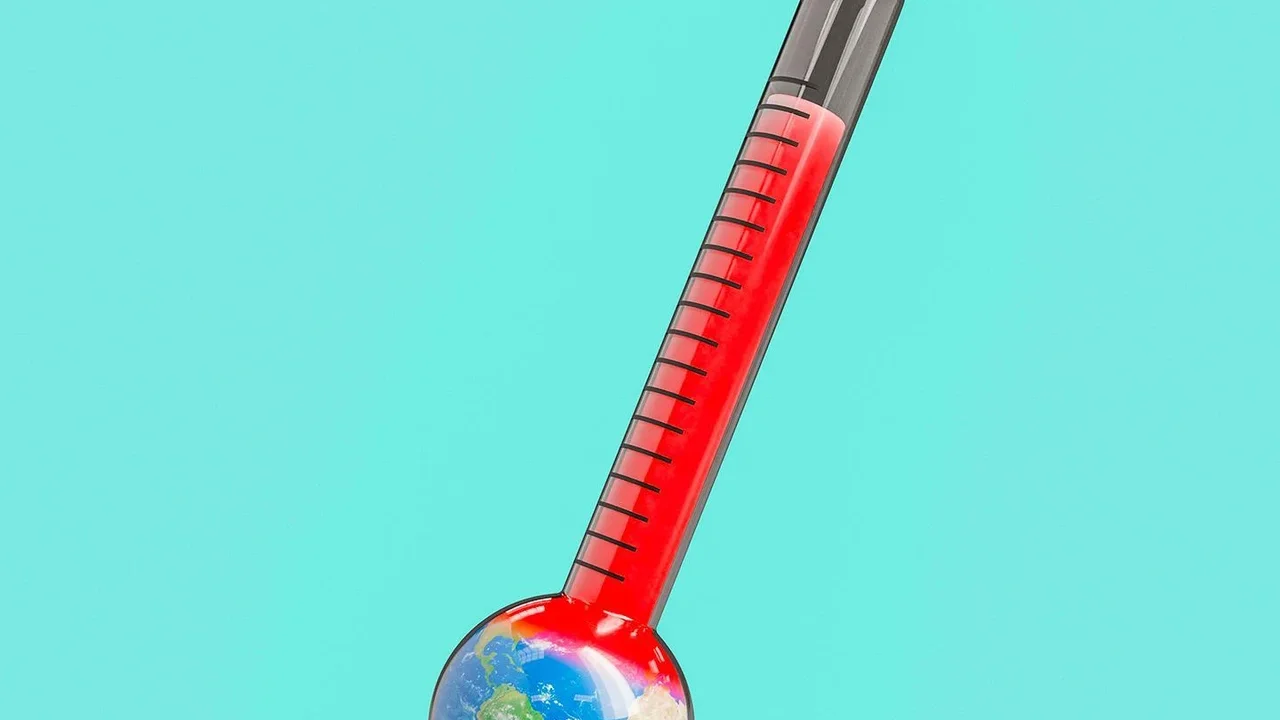
One of the most immediate concerns for India is the potential for severe and prolonged heatwaves. El Niño releases a vast amount of heat from the ocean into the atmosphere, layered on top of the already rising baseline of global temperatures. The years 2023, 2024, and 2025 were already among the hottest ever recorded. A strong El Niño event following this trend could push temperatures into uncharted territory in 2027. This raises significant risks for public health, puts immense strain on water and electricity resources, and threatens the rabi (winter) crop season, particularly wheat, which is vulnerable to early heat spells in February and March. Scientists are also monitoring significant marine heatwaves across the Indian Ocean, which can harm fish habitats and impact coastal communities.
Monsoon Under Threat, Economy at Risk
India's economy is deeply intertwined with the monsoon. A strong El Niño is a major red flag for the agricultural sector. The India Meteorological Department (IMD) had already projected a below-normal southwest monsoon for 2026. Weak monsoons can lead to lower crop yields, reduced water levels in reservoirs, and ultimately, higher food prices and inflation—a concern already noted by the Reserve Bank of India. The 2026 monsoon has already been described as the weakest since 2015, highlighting the impact already in progress. While there is some hope that a cooling La Niña pattern could emerge during the 2027 monsoon season and bring more rain, this remains a forecast, and the immediate risk from El Niño persists.
What Can Be Done?
While El Niño is a natural phenomenon, its impacts don't have to become a humanitarian disaster. Experts stress the importance of using scientific forecasts for proactive preparation. This includes enforcing risk-integrated urban planning and improving drainage systems to mitigate the kind of pluvial flooding that can overwhelm cities. For the agricultural sector, this means providing farmers with timely advice on water conservation, irrigation strategies, and the potential use of drought-resistant or short-duration crops. On a household level, staying informed through official channels like the IMD is crucial. Being aware of heatwave warnings and water conservation measures can help communities build resilience against the coming weather extremes.