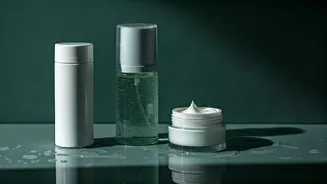









Why Humidity Disrupts Your Skin
The monsoon season's high humidity is the primary culprit behind most rainy-season skin issues. When the air is saturated with moisture, your skin’s sebaceous glands can go into overdrive, producing excess oil (sebum). This oil, combined with sweat and environmental
pollutants, creates a perfect storm for clogged pores, which can lead to acne, blackheads, and a persistent greasy feeling. Furthermore, the damp and warm conditions are an ideal breeding ground for bacteria and fungi, increasing the risk of infections like folliculitis and ringworm. Many people find that their trusty skincare routine suddenly stops working because heavy products that feel comforting in dry weather can feel suffocating and pore-clogging in high humidity.
The 'Less is More' Philosophy
When faced with breakouts and oiliness, it’s tempting to fight back with an arsenal of harsh scrubs, drying toners, and multiple active ingredients. However, this approach often does more harm than good. Overloading your skin can strip its natural protective barrier, leading to irritation, redness, and increased sensitivity. When the skin barrier is compromised, it loses its ability to retain moisture, which can paradoxically trigger even more oil production to compensate. A complicated, multi-step routine with clashing ingredients can confuse your skin, reducing the effectiveness of all your products and leading to a cycle of irritation. The goal is not to eliminate oil completely, but to manage it while maintaining a healthy, hydrated skin barrier. A simple, consistent routine is far more effective than an excessive one.
Step 1: A Gentle, Effective Cleanse
Cleansing is the cornerstone of a good monsoon skincare routine, as it removes the daily buildup of sweat, oil, and grime. Dermatologists recommend cleansing twice a day with a gentle, non-comedogenic face wash. Look for gel-based or light foaming cleansers that clean effectively without stripping the skin of its natural oils. Harsh, sulphate-heavy cleansers can be too aggressive and disrupt your skin's pH balance. If you have particularly oily or acne-prone skin, a cleanser containing a mild concentration of salicylic acid can help keep pores clear. The key is to leave your skin feeling fresh and clean, not tight or dry.
Step 2: Lightweight Hydration is Key
One of the biggest mistakes people make during the monsoon is skipping moisturiser, believing the humidity in the air is enough to hydrate their skin. However, humidity in the environment doesn't equate to hydration in your skin barrier. In fact, skipping moisturiser can dehydrate your skin, causing it to produce more oil to compensate. The solution is to switch from heavy creams to lightweight, non-comedogenic formulas. Gel-based or water-based moisturisers containing ingredients like hyaluronic acid and glycerin are ideal, as they provide hydration without feeling greasy or clogging pores. This step is crucial for all skin types, including oily ones, to keep the skin balanced and healthy.
Step 3: Sunscreen is Non-Negotiable
Don't let the cloudy skies fool you; sunscreen remains an essential step, even on the rainiest days. Up to 80% of the sun's harmful UV rays can penetrate through clouds, contributing to premature ageing, pigmentation, and long-term skin damage. Since heavy sunscreens can feel sticky in humid weather, opt for lightweight, gel-based, or fluid formulas with a broad-spectrum protection of at least SPF 30. A water-resistant formula is also a smart choice to withstand sweat and rain. Consistent sunscreen use is one of the most effective ways to maintain an even skin tone and protect your skin's health year-round.