
A Stand Against Food Waste
In many Indian households, the ethos of using every part of an ingredient is a long-held tradition, born from both frugality and respect for food. The zero-waste cooking movement is in many ways a return to these roots. With households contributing significantly
to food waste, small changes can have a real impact. Using orange rinds, which make up a substantial portion of the fruit's weight, is a simple yet powerful act. Instead of sending these peels to a landfill where they would release methane, sustainable cooks are turning them into a delicious preserve, embodying the 'root-to-leaf' philosophy that is gaining traction in modern kitchens.
More Flavour, Not Less
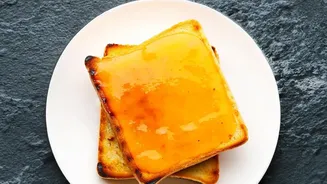
Anyone who has tasted real marmalade knows it’s a world away from a simple fruit jam. That distinctive, complex flavour comes directly from the peel. The rind contains essential oils and a pleasant bitterness from the white pith that balances the sweetness of the sugar. This results in a preserve with a depth and tanginess that you cannot achieve from the fruit's flesh alone. The process of boiling the peels softens them and infuses the entire mixture with a fragrant, intensely citrusy character. It's a gourmet outcome that starts with an ingredient many would discard, proving that flavour doesn't always come from the most obvious places.
A Surprising Nutritional Bonus
Orange peels are not just flavourful; they are also surprisingly nutritious. The rind of an orange contains more vitamin C than the fleshy part of the fruit. Just one tablespoon of peel can provide a significant portion of your daily vitamin C needs. The peels are also packed with beneficial plant compounds like polyphenols and flavonoids, such as hesperidin and naringenin, which have antioxidant and anti-inflammatory properties. Additionally, the peels are a good source of fibre and natural pectin, the gelling agent that helps marmalade set without needing commercial additives. By making marmalade, home cooks are not just preserving fruit; they are unlocking valuable nutrients that would have otherwise been lost.
The Joy of Kitchen Alchemy
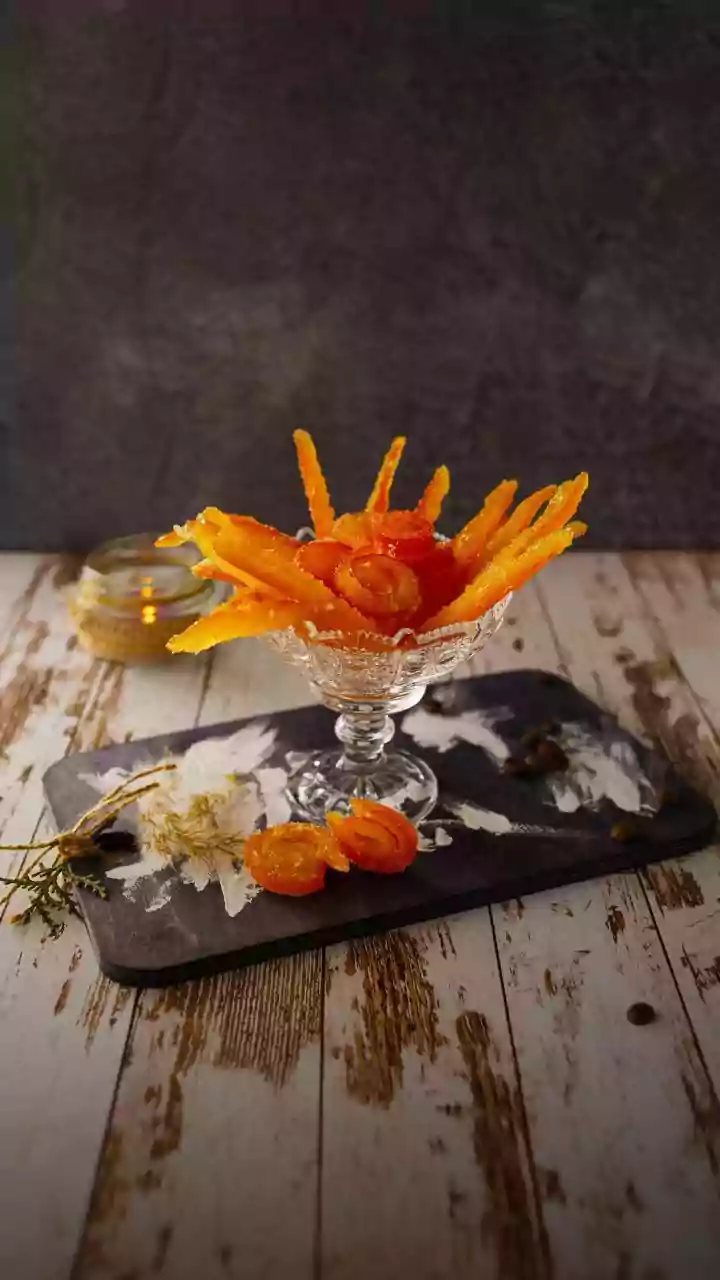
There is a unique satisfaction that comes from creating something valuable from scratch, especially from something considered 'waste'. The process of making marmalade is a form of kitchen alchemy. It’s about the slow transformation of tough, bitter peels into tender, jewel-toned threads suspended in a glistening jelly. The process connects cooks to a long history of preservation that predates modern refrigeration, a time when making the most of a seasonal harvest was a necessity. It’s a hands-on, sensory experience—the sharp scent of citrus as you slice the peels, the bubbling of the pot, and the final satisfaction of sealing jars that will be enjoyed for months to come.
Simple, Frugal, and Delicious
At its heart, making marmalade from leftover rinds is incredibly simple and economical. The basic recipe requires only three main ingredients: citrus peels, sugar, and water. Lemon juice is often added to provide extra acid and pectin to ensure a good set. This simplicity is part of its appeal. You don't need fancy equipment, just a pot, a knife, and some patience. It’s a return to a more resourceful way of cooking, proving that you can create a luxurious, delicious product without a long list of expensive ingredients. For the sustainable home cook, it’s a perfect circle: reducing waste, saving money, and creating a truly special treat to share or savour.