


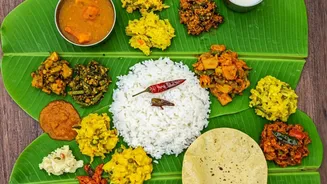

The Taste of Krishna's Childhood
The festival of Janmashtami, celebrating the birth of Lord Krishna on September 4, 2026, is incomplete without its traditional food offerings. Among the array of sweets, the Mathura Peda holds a special place. This iconic sweet originates from Mathura in Uttar
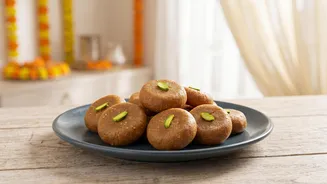
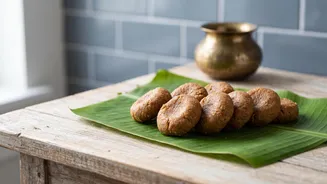
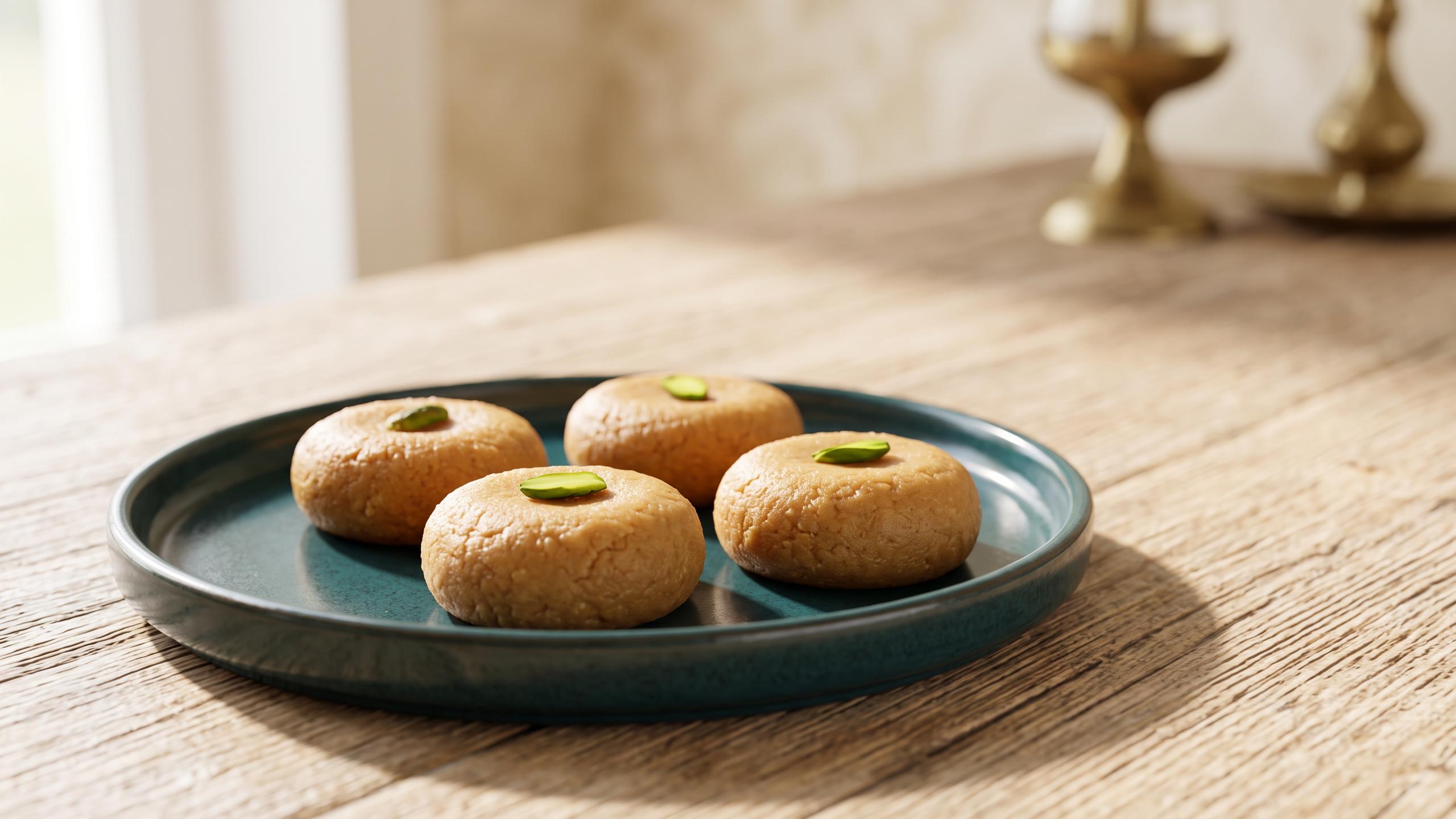
Pradesh, the holy city where Krishna spent his childhood. It is considered a favourite of the deity and is a central part of the 'Chhappan Bhog,' the offering of 56 dishes. Unlike other pedas that are pale and creamy, the Mathura Peda is distinguished by its rich, brown colour and a unique grainy texture. This comes from the crucial process of slowly roasting khoya (milk solids) until it caramelises, developing a deep, nutty flavour that is simply divine. Legend even suggests the sweet was created by accident by Krishna’s mother, Yashoda, and instantly became his favourite. Making it at home is a beautiful way to connect with the traditions of the festival.
Gathering Your Divine Ingredients
The magic of Mathura Peda lies in its simplicity. You don't need a long list of exotic ingredients to create this festive treat. This recipe uses store-bought khoya, or mawa, which makes the process much quicker than the traditional method of boiling milk for hours. Here’s what you’ll need: Khoya (Mawa): 250 grams, unsweetened and grated Ghee (Clarified Butter): 2-3 tablespoons Powdered Sugar (Tagar or Bura): 1 cup (approximately 200 grams), plus extra for coating Cardamom Powder (Elaichi): 1 teaspoon, freshly ground if possible * Milk: 2-3 tablespoons (only if needed)
Step 1: Roasting the Khoya to Perfection
The most critical step in making authentic Mathura Peda is roasting the khoya. This is where the flavour develops. Take a heavy-bottomed pan or kadai and place it on low heat. Add the grated khoya and begin to roast it, stirring continuously with a spatula to prevent it from sticking or burning. After a few minutes, the khoya will melt and start to change colour. Add one tablespoon of ghee and continue roasting. Patience is key here; keep the flame on low to medium-low. As you stir, the mixture will gradually turn from a pale white to a light golden and then a deep, rich brown. This process can take anywhere from 15 to 25 minutes. If the mixture looks too dry at any point, add a little more ghee. The goal is a uniform, dark brown colour and a beautiful, nutty aroma.
Step 2: Cooling and Preparing the Mixture
Once your khoya has reached the desired dark brown shade, turn off the heat. If the khoya has become lumpy during roasting, you can add a tablespoon or two of warm milk and mix vigorously to smoothen it out. After this, remove the pan from the stove and let the mixture cool down. It should be just warm to the touch, not hot. If you add sugar while the mixture is hot, it will melt and turn the peda dough into a sticky paste. Once the roasted khoya has cooled sufficiently, transfer it to a large bowl or plate. Now, add the powdered sugar (tagar) and the freshly ground cardamom powder. Do not use regular granulated sugar, as powdered sugar gives the pedas their characteristic grainy texture. Mix everything together thoroughly with your hands, breaking up any lumps until you have a uniform, crumbly mixture.
Step 3: Shaping Your Janmashtami Offering
Now for the fun part: shaping the pedas. Take a small portion of the mixture into your palm and press it firmly. As you roll it between your palms, the warmth from your hands will release a bit of ghee, helping the mixture bind together and giving it a slight sheen. You can shape them into traditional round, slightly flattened discs or give them the more rustic, irregular shape characteristic of authentic Mathura pedas. Once a peda is shaped, roll it in a plate of powdered sugar to coat it evenly. Gently shake off any excess sugar. Arrange the finished pedas on a plate. They can be offered as bhog immediately or stored for later.
Tips for Storage and Serving
These homemade Mathura Pedas have a good shelf life due to their low moisture content. You can store them in an airtight container at room temperature for up to a week, and they will stay fresh. There's no need to refrigerate them. Preparing these pedas a day or two before Janmashtami allows the flavours to deepen even further. When it's time for puja, arrange them beautifully on a platter as your special offering to Lord Krishna. Sharing this prasad with family and friends after the rituals is a wonderful way to spread the joy and blessings of the festival.