







The Final Countdown for Mission Aagaman
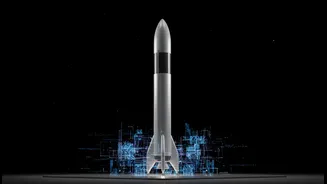
The excitement is palpable at Satish Dhawan Space Centre. Sometime after 11:30 AM on July 18, a seven-storey-tall rocket named Vikram-1 is scheduled to lift off, marking a pivotal moment for India. This mission, christened 'Aagaman' (Sanskrit for 'arrival'),
signifies more than just a single launch; it heralds the arrival of India's private sector onto the global orbital launch stage. The rocket, developed by Hyderabad-based startup Skyroot Aerospace, has been fully integrated and stacked on the historic first launch pad, with all systems undergoing final checks. This isn't a drill. For the first time, a rocket fully designed and manufactured by a private Indian company will attempt to place satellites into orbit, a feat that has been the exclusive domain of government agencies like ISRO for nearly six decades.
What Makes Vikram-1 a Game Changer?
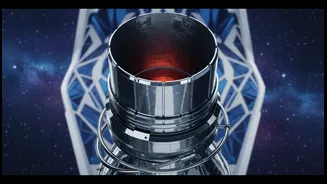
Named in honour of Dr. Vikram Sarabhai, the father of India's space programme, Vikram-1 is no ordinary vehicle. Built with a lightweight all-carbon composite structure and powered by in-house propulsion systems—including advanced 3D-printed engines—it is engineered for efficiency and speed. Its primary mission is to deliver small satellites, weighing up to 350 kg, into Low Earth Orbit. For this maiden test flight, it aims for a 450 km orbit, carrying several technology demonstration payloads from clients like Grahaa Space and Germany's DCubed, and even a unique piece of diamond artwork to study material performance in space. A successful launch would validate Skyroot's technology and open the door for frequent, on-demand launches, addressing a major supply constraint in the booming global small satellite market.
Fuelled by Youth and Ambition
While the rocket's technology is cutting-edge, its most crucial component might be its human element. Skyroot Aerospace, founded in 2018 by former ISRO scientists Pawan Kumar Chandana and Naga Bharath Daka, was built on a bold risk and a belief in young talent. Chandana, who left a coveted job at ISRO to start the company, has been vocal about creating a world-class firm that generates employment and builds national infrastructure. The company has seen explosive growth, expanding its workforce significantly in recent years. Co-founder Naga Bharath Daka noted that this single launch represents the hopes and hard work of around 1,000 people and over 400 suppliers. This approach of harnessing young, ambitious engineers has been key to their rapid innovation, allowing them to move from a suborbital flight in 2022 to a full orbital attempt today.
A New Chapter for India's Space Economy
The Vikram-1 launch is a direct result of India's strategic decision in 2020 to open the space sector to private players, a move followed by the comprehensive Indian Space Policy in 2023. This policy shift has nurtured a vibrant ecosystem, with the number of space startups growing from just a handful in 2014 to over 400 by early 2026. Companies like Skyroot are not just building rockets; they are building an entire industrial base, creating high-skilled jobs and fostering innovation across manufacturing, software, and materials science. By providing private companies access to ISRO’s world-class facilities, the government has helped compress development timelines, enabling startups to compete on a global stage. A successful Mission Aagaman will prove that Indian private enterprise can not only participate in the space economy but lead it.