



A New Kind of Wildlife Encounter
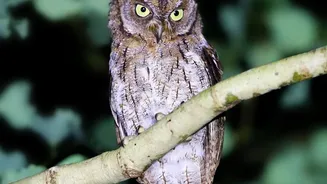
Imagine exploring a forest after sunset, not in a conventional zoo, but in a sprawling, naturalistic habitat where nocturnal animals are at their most active. This is the core concept of a night safari. Inspired by the world-famous model in Singapore,
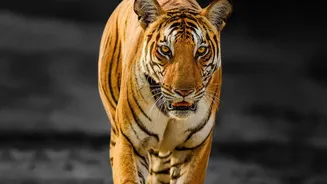
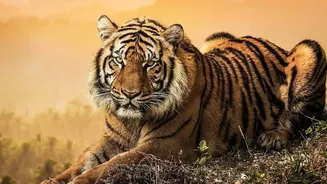
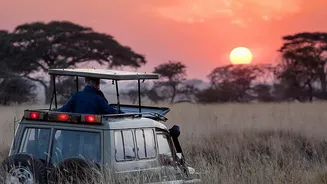
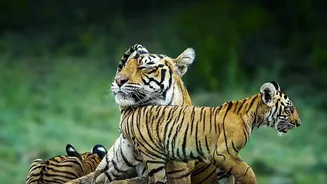
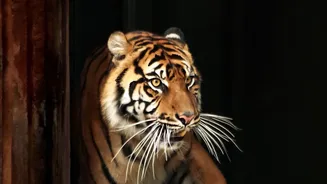
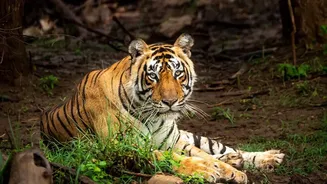
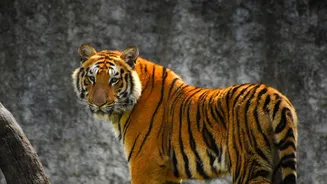
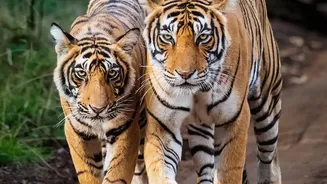
the project in Lucknow aims to offer visitors a chance to see animals like leopards, hyenas, and tigers in an environment that mimics their natural settings. Unlike traditional zoos that close at dusk, a night safari uses a special simulated moonlight system, allowing visitors to observe animal behaviour without disturbing them. Guests will travel on quiet, battery-operated trams through different geographical zones, providing an immersive and respectful wildlife encounter.
The Grand Plan for Kukrail
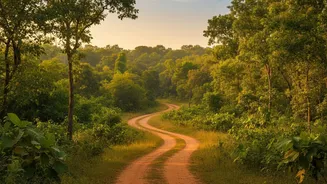
The project is set to unfold within the 2,027-hectare Kukrail Reserve Forest on the outskirts of Lucknow. An area of about 855 acres has been earmarked for the development, which includes both the night safari and a modern day zoo. The ambitious plan features theme-based zones with naturalistic enclosures for species like Asiatic lions and Bengal tigers. Beyond the animal habitats, the master plan includes visitor amenities like interpretation centres, a 7D theatre, and nature trails. After years of scrutiny due to the ecological sensitivity of the area, the Supreme Court gave the final approval in July 2026, clearing the way for the estimated ₹1,510-crore project to proceed.
Balancing Development and Conservation
The journey to approval has been long, primarily due to the project's location within a reserve forest. Kukrail is not just a green space; it's a vital urban lung for Lucknow and a biodiversity hotspot with a rich history of conservation. The area is home to one of India's oldest and most successful gharial rehabilitation centres, established in 1975 to save the critically endangered species. Studies have documented significant herpetofauna diversity in the forest. Environmentalists raised valid concerns about the impact of construction, lighting, and increased human activity on the delicate ecosystem. These concerns led to significant project modifications and strict conditions from regulatory bodies.
A Revised Vision with Strict Safeguards
To address ecological concerns, the Supreme Court has imposed several conditions. The initial proposal to relocate the century-old Nawab Wajid Ali Shah Zoological Garden from the city centre to Kukrail was rejected by the Central Empowered Committee (CEC) to prevent the felling of thousands of trees. Plans for an adventure zone and a four-lane road through the forest were also curtailed, with road widening now limited to a two-lane route. The court has mandated that the project must adhere strictly to all environmental safeguards and has ordered periodic site inspections to monitor compliance, ensuring that development does not come at an unacceptable ecological cost.
What Visitors Can Expect
Once complete, the Kukrail Night Safari will offer a 40-minute tram ride through the park, allowing guests to view nocturnal species from the safety of the vehicle. The facility is expected to handle around 4,000 visitors on weekdays and double that on weekends and holidays. With the project now moving forward after receiving its final clearance, construction of the first phase is anticipated to take about two years to complete. While no official opening date has been set, wildlife enthusiasts and tourists can look forward to a new jewel in Uttar Pradesh's tourism crown, adding a completely new dimension to Lucknow's cultural and historical appeal.