



Ignoring the Weather Forecast
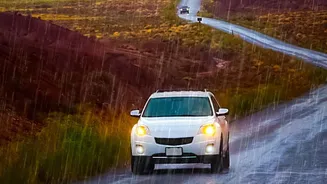
One of the biggest mistakes is treating heavy rain as a minor inconvenience rather than a significant factor. A sunny morning can turn into a torrential downpour by the afternoon, leading to waterlogged roads, delays, or worse. Before you leave and each
morning of your trip, check reliable weather alerts. Many local authorities issue warnings for heavy rain, floods, or landslides, especially in hilly or coastal areas. Ignoring these can not only derail your plans but also put you at risk. A flexible itinerary is your best friend during the monsoon; always have a backup plan in case the weather turns against you.
Packing the Wrong Clothes and Fabrics
That favourite pair of jeans might seem like a travel staple, but it's a poor choice for the rainy season. Heavy fabrics like denim and thick cottons take forever to dry in humid conditions, leaving you with a bag of damp, musty clothes. The smart move is to pack light, breathable fabrics that dry quickly. Think synthetic blends, lightweight cottons, and performance wear. It's also wise to pack darker colours, which are more forgiving of the inevitable mud splashes. Always carry a waterproof jacket or a reliable poncho. And a pro tip: pack a few extra sets of undergarments and socks, as these can be difficult to get fully dry.
Wearing Unsuitable Footwear
Slippery surfaces, muddy paths, and endless puddles make footwear one of the most critical gear choices for a monsoon trip. Wearing the wrong shoes—like leather, canvas sneakers, or sandals with no grip—is a recipe for discomfort and potential injury. Leather gets ruined by water, and canvas shoes become heavy and take ages to dry, which can lead to fungal infections. Instead, opt for waterproof or water-resistant shoes with a strong grip. Rubber sandals, floaters, clogs, and waterproof hiking shoes are excellent choices. They provide stability on slippery terrain and are easy to clean and dry.
Neglecting Health and Hygiene
The monsoon is a prime time for water-borne and mosquito-borne diseases. Many travellers make the mistake of eating from any street vendor or drinking tap water without precautions. Street food can be tempting, but it's often exposed to the elements, making it a breeding ground for germs. Stick to freshly cooked, hot meals from clean establishments and drink only bottled or purified water. Mosquitoes are also rampant, so using a good insect repellent is non-negotiable, especially during the evenings. It's also wise to wash your hands frequently and carry a hand sanitiser.
Forgetting to Protect Your Electronics
High humidity is the silent enemy of electronics. Moisture can get into your phone, camera, and laptop, causing short circuits or long-term corrosion. Simply throwing them into your backpack is not enough. A common error is failing to adequately waterproof your gadgets. Invest in waterproof bags, dry bags, or even simple zip-lock pouches to keep your devices safe from both rain and ambient moisture. It’s also a good idea to carry a power bank, as power cuts can be more frequent during heavy rains. Silica gel packets, often found in new shoe boxes, can be thrown into your electronics bag to help absorb excess moisture.
Sticking to a Rigid Itinerary
Monsoon weather is famously unpredictable, and its biggest impact is on transport. Landslides can block mountain roads, flights can be delayed, and ferry services may be cancelled with little notice. Insisting on a tightly packed, inflexible schedule is a surefire way to experience stress and disappointment. Instead, build buffer days into your travel plans. This allows you to wait out a storm, find an alternative route, or simply enjoy a day indoors without feeling like your entire trip is ruined. Having a flexible mindset is as crucial as having a good raincoat.
Ignoring Local Advice
While online research is great for planning, it can't replace real-time, on-the-ground information. A major error is to dismiss the advice of local residents, hotel staff, or drivers. They have firsthand knowledge of which roads are safe, which areas are prone to flooding, and which attractions might be inaccessible or dangerous after heavy rain. Before heading out for a day of sightseeing, have a quick chat with a local. They can provide invaluable tips that aren't available on any app or website, ensuring your explorations are both enjoyable and safe.