







The Annual Ticket Scramble
Every year, millions of people travel across India to celebrate Diwali with their families, creating an unprecedented demand for train tickets. The booking window for popular routes often opens 120 days in advance, and seats on major trains can be snapped
up within hours, if not minutes. This leaves countless hopeful travelers with waitlisted tickets and a cloud of uncertainty over their festive plans. The sheer volume of passengers attempting to travel within the same narrow window means that even with a robust railway network, demand far outstrips supply, making last-minute plans nearly impossible for those relying on regular train services.
First Lifeline: Festival Special Trains
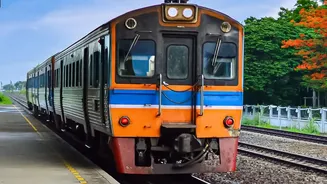
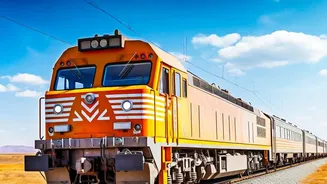
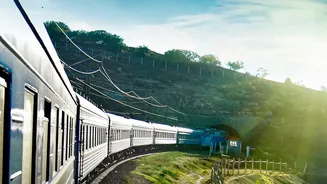
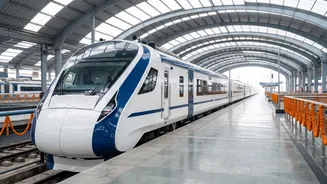
To manage the immense festive rush, Indian Railways announces hundreds of special train services across the country. Zones like Central, Northern, and Southern Railways introduce these trains on high-demand routes, connecting major cities like Mumbai, Delhi, Pune, and Bengaluru to destinations in Uttar Pradesh, Bihar, West Bengal, and other states. These announcements are typically made a few weeks before the festival, and bookings open almost immediately. It is crucial to monitor official railway announcements on their websites and social media channels. Tickets for these special services are your best bet if you've missed the regular booking window, but they disappear just as quickly, reinforcing the need to act fast as soon as they are announced.
When Trains Fail: The Bus Alternative
If trains are out of reach, intercity buses are a reliable alternative. Both state-run transport corporations and private operators run additional services during Diwali. Private buses, ranging from standard sleepers to luxury Volvos, offer extensive connectivity between cities. However, this convenience comes at a cost. Bus fares can surge significantly as Diwali approaches, sometimes rivaling the price of a flight ticket. Booking through online portals a few weeks in advance can help you secure a seat at a more reasonable price. For shorter distances, a bus journey can be a practical and comfortable option, but be prepared for heavy road traffic closer to the festival dates.
Taking to the Skies: Are Flights an Option?
Flying is the fastest way to get home, but it's also the most price-sensitive. Airfares for Diwali travel can increase by two to three times the normal rate, especially for last-minute bookings. According to industry data, domestic air traffic surges by 18-25% during the Diwali period. The key to finding a manageable fare is to book well in advance—ideally 60 to 90 days before your travel date. Being flexible with your travel dates can also lead to significant savings; flying on Diwali day itself or a day or two before the main rush can be 20-40% cheaper. Consider flying into a nearby secondary airport and completing the journey by road to avoid congestion and higher fares at major hubs.
On the Road: Carpooling and Rentals
For those traveling in groups or looking for more flexibility, road travel is a viable choice. Carpooling apps like BlaBlaCar have become a popular way to find rides, allowing travelers to share fuel costs with car owners heading in the same direction. This can be a cost-effective and social way to travel, especially when train and bus tickets are sold out. Alternatively, renting a car, with or without a driver, gives you complete control over your journey. While this might be a more expensive option for a solo traveler, the cost becomes more manageable when shared among friends or family. It also allows you to bypass crowded stations and airports entirely.
Essential Strategies for Success
No matter which mode of transport you choose, a few core strategies will improve your chances of a hassle-free journey. First, book as early as you possibly can. For trains, this means being ready the day the 120-day window opens. For flights, aim for the two-to-three-month mark. Second, be flexible with your dates. Traveling a day or two before or after the peak rush can make a huge difference in availability and price. Finally, use technology to your advantage. Set up fare alerts on travel websites, keep your details saved on booking platforms for faster checkout, and use apps like the National Train Enquiry System (NTES) for real-time updates.