




The Great Starch vs. Sugar Debate
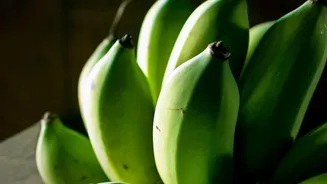
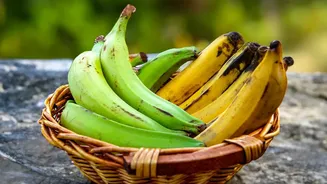
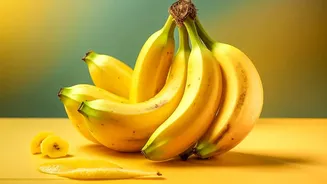
The most significant difference between green and yellow bananas lies in their carbohydrate composition. As a banana ripens, its starches are converted into simple sugars. A green, unripe banana is packed with resistant starch, which makes up 70-80% of
its dry weight. This type of starch functions more like fibre; it passes through the small intestine without being digested and goes on to feed the beneficial bacteria in your gut. A ripe, yellow banana, on the other hand, has a much higher sugar content (mainly sucrose, fructose, and glucose), which is what gives it its characteristic sweet taste.
Impact on Blood Sugar
Because of their high resistant starch content, green bananas have a lower glycemic index (GI), typically around 30 to 42. This means they cause a slower, more gradual rise in blood sugar levels after eating, making them a better choice for individuals managing blood sugar. In contrast, as the starch converts to sugar, the GI of a ripe yellow banana climbs to about 51, and can even exceed 60 if it's overripe with brown spots. This provides a quicker source of energy, making yellow bananas an excellent pre- or post-workout snack.
Digestive Health and Fullness
The resistant starch and pectin found in green bananas are a boon for digestive health. By acting as a prebiotic, they nourish good gut bacteria, which can help improve overall gut health. This starchy fibre also increases the feeling of fullness, or satiety, which can aid in weight management by helping you eat less. Yellow bananas, being lower in these starches and higher in simple sugars, are generally easier to digest for most people. However, some individuals might experience bloating or gas from green bananas due to the fermentation of resistant starch in the large intestine.
Taste, Texture, and Culinary Uses
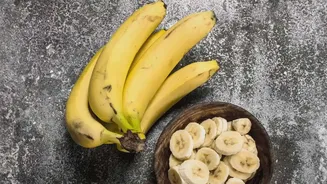
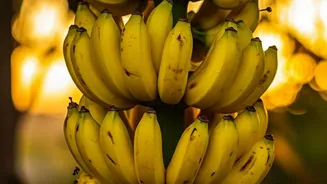
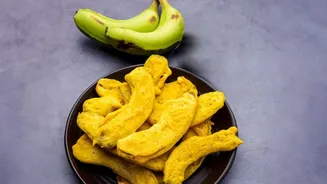
There's no contest when it comes to taste and texture for most people. Yellow bananas are soft, sweet, and easy to peel. They are perfect for eating raw, blending into smoothies, making 'nice' cream, or baking into breads and muffins where their sweetness shines.Green bananas have a firmer, almost waxy texture and a less sweet, slightly bitter taste. They can be difficult to peel and are often not eaten raw. However, they are a staple in many cuisines around the world, particularly in South India and the Caribbean. They can be boiled, fried, or roasted, and are often used in savoury dishes like curries and stews, much like a potato.
Vitamins and Minerals
Both green and yellow bananas are excellent sources of key nutrients like potassium, vitamin B6, and vitamin C, and this core nutritional value doesn't change dramatically with ripeness. Some evidence suggests that as a banana ripens and develops spots, its antioxidant levels may increase. Regardless of colour, you are getting a nutrient-dense fruit. A medium banana provides about 9% of your daily potassium needs, which is vital for heart health and blood pressure regulation.
The Verdict: Which is Right for You?
Ultimately, neither green nor yellow bananas are 'better'—they simply offer different benefits. The ideal choice depends entirely on your personal needs and preferences.Choose green bananas if: - You want to manage your blood sugar levels. - You're focused on improving your gut health with prebiotics. - You want a food that will keep you feeling fuller for longer. - You're making a savoury dish that calls for a starchy vegetable.Choose yellow bananas if: - You need a quick, easily digestible source of energy. - You prefer a sweeter taste and softer texture. - You're baking or making smoothies and want natural sweetness. - You have digestive issues and find resistant starch hard to handle.