








Beyond the Tourist Checklist
For decades, travel often meant rushing from one landmark to another, camera in hand, focused on capturing the perfect shot. You see the monument, take the photo, and move on, but how much do you truly connect with the place? This style of travel can
feel like consumption, where destinations are items on a checklist to be ticked off. Many modern travellers are growing weary of overcrowded attractions and generic itineraries, seeking something more meaningful than a crowded camera roll. The memories of these whirlwind tours can quickly fade, blurring into a montage of sights without stories. This approach often misses the soul of a destination—the living culture, the local rhythms, and the people who call it home. It prioritises seeing a place over understanding it.
The Power of Active Participation
Experiential travel offers a profound alternative: it's about diving headfirst into the local culture instead of just observing from the sidelines. The core idea is to shift from being a passive spectator to an active participant. Imagine the difference between watching a cooking show and actually rolling up your sleeves in a local kitchen, learning a family recipe passed down through generations. This hands-on approach creates more vivid and lasting memories because you are part of the action. It builds confidence, fosters genuine connections with local artisans and instructors, and provides a much deeper understanding of a place's heritage and traditions. Engaging with traditional crafts, for instance, transforms travel from a simple observational activity into a deeply personal journey.
A World of Workshops Awaits
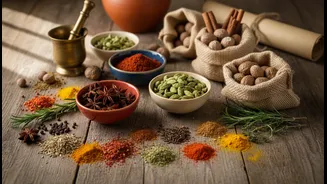
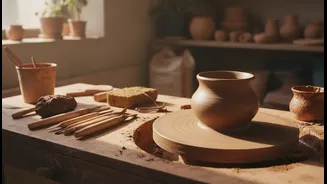
The possibilities for hands-on learning are nearly endless and can be tailored to any interest. Culinary tourism has exploded in popularity, with workshops ranging from making handmade pasta in Italy and pastries in France to learning the art of sushi in Japan. In India, you can learn to grind and blend spices or master regional dishes in a local home. Beyond food, craft workshops offer a tangible connection to local culture. You could learn the ancient art of block printing in Jaipur, try pottery making in Vietnam or Japan, paint traditional Iznik tiles in Turkey, or even weave a basket in Indonesia. These experiences can be as short as a couple of hours or as long as a multi-day retreat. Other options include perfume creation in Paris, leatherworking in Florence, or even learning calligraphy from a master in China.
How to Find Your Perfect Experience
Finding these immersive workshops is easier than ever. Many travel companies now specialise in experiential travel and curate trips focused on learning a specific craft or skill. Online platforms connect travellers directly with local guides, artists, and families, making it simple to book a class. A quick search for cooking classes, pottery workshops, or art lessons in your destination will often yield numerous results from local studios and providers. Don't underestimate the value of local resources, either. Ask your hotel concierge, visit the local tourism board's office, or simply talk to people you meet. Homestays can offer an especially authentic opportunity, where you might pick up a craft from your hosts as part of daily life.
Balancing Monuments and Making
Adopting this travel style doesn't mean you have to skip the iconic landmarks altogether. The goal is to create a more balanced and enriching itinerary. Instead of a schedule packed with back-to-back sightseeing, try integrating one or two workshops into your trip. Spend a morning visiting a famous temple, then dedicate the afternoon to a local cooking class. Or, follow up a museum visit with a hands-on pottery session inspired by the ancient ceramics you just saw. This blend allows you to appreciate both the grand history of a place and its living culture. By being flexible and prioritising quality over quantity, you might visit fewer sites but leave with far richer and more personal memories.