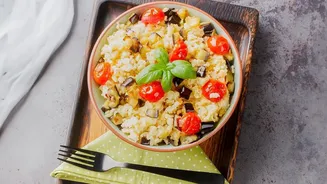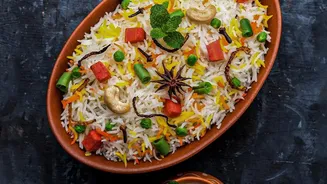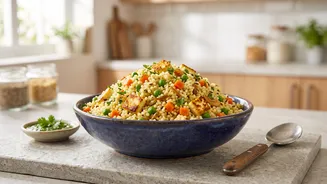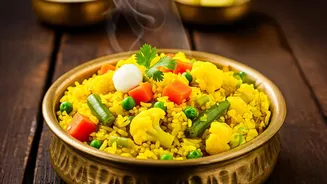



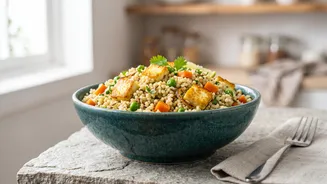
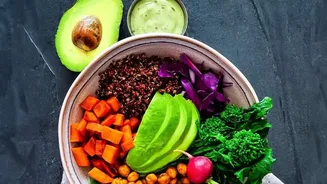
The humble vegetable pulao is a cornerstone of comfort food in many Indian households. But what if this classic dish could be lighter, healthier, and even more flavourful? By swapping rice for millets, you unlock a new world of taste and nutrition.
Why Millets are a Great Choice
Moving
from traditional white rice to millets is a simple switch with significant benefits. Millets, such as foxtail, kodo, or barnyard millet, are packed with nutrients. They generally offer more fibre and protein than polished white rice, which helps you feel full for longer and can aid in weight management. Furthermore, millets have a lower glycemic index, meaning they release sugar into the bloodstream more slowly. This makes them an excellent option for those managing blood sugar levels. Millets are also naturally gluten-free and their high fibre content is great for digestive health.
The Art of Light Seasoning
A 'lightly seasoned' pulao doesn't mean a bland one. The goal is to let the natural, nutty flavour of the millet and the sweetness of the vegetables shine through without being overpowered by heavy spices. Start by heating ghee or oil and tempering whole spices like a bay leaf, a small stick of cinnamon, a couple of cloves, and cumin seeds. These create a fragrant foundation. Use fresh aromatics like a finely minced ginger-garlic paste and slit green chillies for a gentle heat. The key is restraint; instead of reaching for a heavy-handed measure of garam masala, use just a pinch at the end. Fresh herbs like mint and coriander leaves, added during and after cooking, provide brightness and a fresh aroma that complements the delicate flavours.
Building Your Millet Pulao
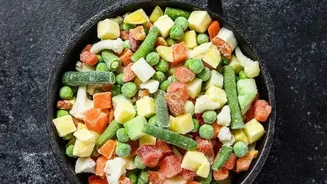
Making millet pulao is a straightforward, one-pot affair. Begin by rinsing your chosen millet thoroughly. Many cooks recommend soaking smaller millets like foxtail or barnyard for at least 20-30 minutes; this helps ensure the grains cook evenly and become fluffy. In a pressure cooker or heavy-bottomed pan, sauté your whole spices in ghee, followed by thinly sliced onions until translucent. Add the ginger-garlic paste and green chillies, cooking for another minute. Next, add your choice of chopped vegetables—carrots, beans, peas, and potatoes are classic additions. Sauté for a few minutes before adding the drained millet. Gently stir to coat the grains. Add water (a general ratio is 2 cups of water for every 1 cup of millet, but this can vary by millet type), salt to taste, and bring to a boil. Then, reduce the heat, cover, and simmer until the millet is cooked and the water is absorbed. If using a pressure cooker, two whistles on medium heat is usually sufficient.
Tips for Fluffy, Perfect Grains
The biggest challenge for newcomers to millet is avoiding a sticky or mushy texture. The first rule is to use the correct water-to-millet ratio, which varies between millet types; for example, foxtail millet often uses a 1:2 ratio, while kodo millet may need a 1:2.5 ratio. Always rinse millets before cooking to remove any dust or residue. After cooking, it's crucial to let the pulao rest, covered, for at least 5–10 minutes off the heat. This allows the grains to absorb any remaining steam and firm up. Once rested, gently fluff the pulao with a fork to separate the grains. Overstiring during or immediately after cooking can break the grains and release starch, leading to stickiness.