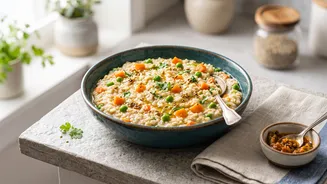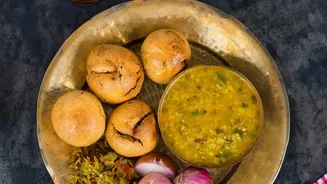






The humble khichdi gets a fitness-friendly makeover. When made with oats, this classic comfort food transforms into a powerhouse meal for training. But to truly unlock its benefits, timing, portion size, and key ingredients are everything.
The Nutritional Power of Oats Khichdi
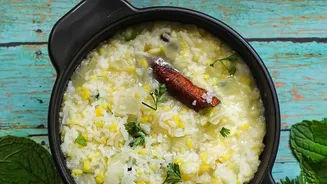
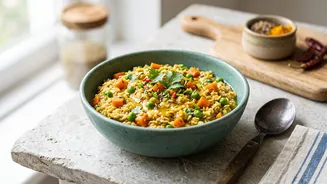
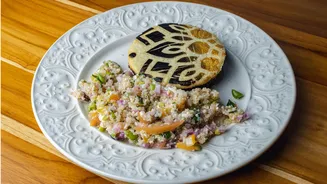
Oats khichdi
is more than just a simple meal; it’s a balanced source of macronutrients ideal for an active lifestyle. Oats provide complex carbohydrates, which release energy slowly and consistently, preventing the energy spikes and crashes associated with sugary snacks. This makes it an excellent fuel source for sustained activities. When combined with lentils like moong dal, the dish becomes a source of complete protein, delivering essential amino acids necessary for muscle repair and growth. The meal is also rich in dietary fibre, which aids digestion and promotes a feeling of fullness, supporting weight management goals. Plus, it’s easily digestible, ensuring your body’s energy is used for performance rather than breaking down a heavy meal.
Timing Is Everything: Pre-Workout Fuel
As a pre-workout meal, oats khichdi excels at providing lasting energy. The complex carbohydrates from the oats ensure your muscles are supplied with a steady stream of glucose during your session. For optimal results, consume a moderate portion of oats khichdi about 1 to 3 hours before your workout. This window gives your body enough time to digest the meal without causing discomfort or sluggishness during training. A meal eaten two to four hours prior can be larger and more balanced, while a smaller, carb-focused snack is better if you have only 30-60 minutes before you start. Because oats khichdi is relatively light, it fits perfectly in that 1-2 hour window, fuelling your performance without weighing you down.
Post-Workout Recovery and Repair
After a tough workout, your body needs to replenish its energy stores (glycogen) and repair muscle tissue. Oats khichdi serves as an excellent recovery meal. The carbohydrates from the oats help restore depleted glycogen, while the protein from the lentils is crucial for muscle protein synthesis—the process of rebuilding and strengthening your muscles. For optimal recovery, it's recommended to eat a meal containing both carbohydrates and protein within two hours of finishing your workout. A post-workout meal should ideally have a carb-to-protein ratio of around 2:1 or 3:1 to effectively kickstart the recovery process.
Perfecting Your Portions
Portion control is key to aligning your oats khichdi with your fitness objectives. A simple visual guide can be helpful. For most people, a single serving of a main meal can be constructed using your hand for measurement. A palm_sized portion of protein (in this case, the dal component), a fist_sized portion of vegetables, and a cupped_hand portion of carbohydrates (the oats) is a good starting point for a balanced meal. Before a workout, you might opt for a slightly smaller portion to ensure easy digestion. For a post_workout recovery meal, especially after intense training, you can increase the portion slightly to ensure adequate replenishment of nutrients. If your goal is weight management, be mindful of the total portion size and avoid excessive ghee or oil.
Ingredient Intelligence for Better Results
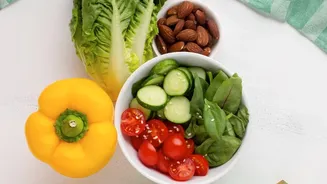
The versatility of oats khichdi is one of its greatest strengths. You can easily modify the ingredients to boost its nutritional value and tailor it to your needs. Adding a variety of colourful vegetables like carrots, peas, spinach, and bell peppers increases the fibre, vitamin, and mineral content. Spinach, for instance, adds iron, while carrots boost Vitamin A. To increase the protein content, especially for a post_workout meal, you can use a higher ratio of moong dal or even add other lentils. You can also consider stirring in some paneer or tofu towards the end of cooking. Using spices like turmeric provides anti_inflammatory benefits, while ginger aids digestion. For a different flavour and nutrient profile, you can even swap the traditional moong dal for other varieties like masoor or a mix of five dals (panchmel).