
Beyond Blizzards and Whiteouts
For generations, the primary concerns for Himalayan trekkers have been altitude sickness and unpredictable weather. Packing layers, waterproof gear, and allowing for acclimatisation days are standard, non-negotiable parts of any itinerary. But as global
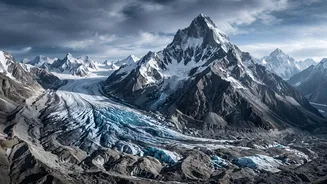
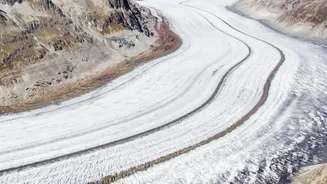
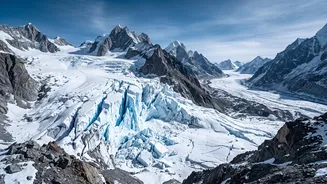
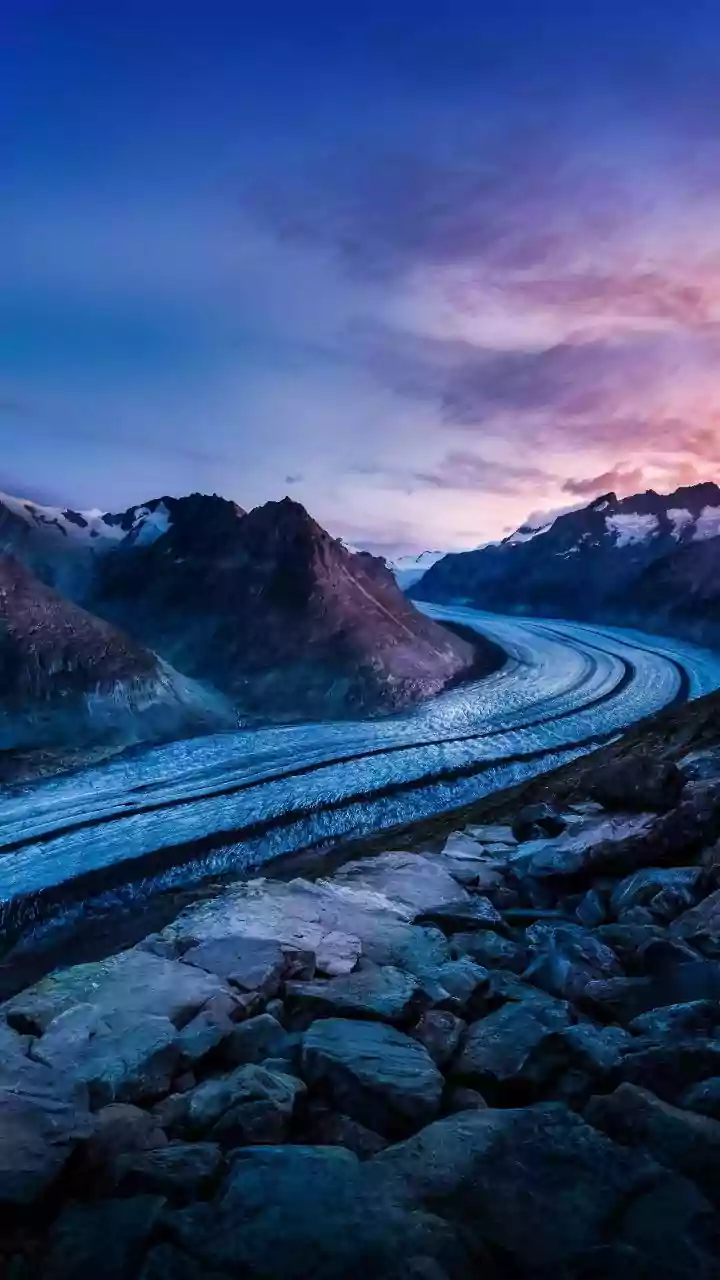
temperatures rise, the very landscape of the Himalayas is changing at an accelerated pace, introducing hazards that are not as easily predicted as a snowstorm. The region is warming at nearly twice the global average, causing glaciers to retreat faster than ever. This rapid melt is not just reshaping the mountains; it's creating new, potent risks for those who travel among them. These dangers are written in the ice and rock, and understanding them is becoming a crucial part of responsible travel.
The Threat of 'Water Bombs'
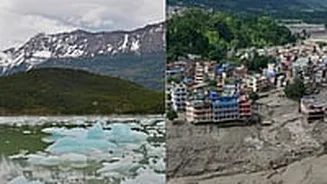
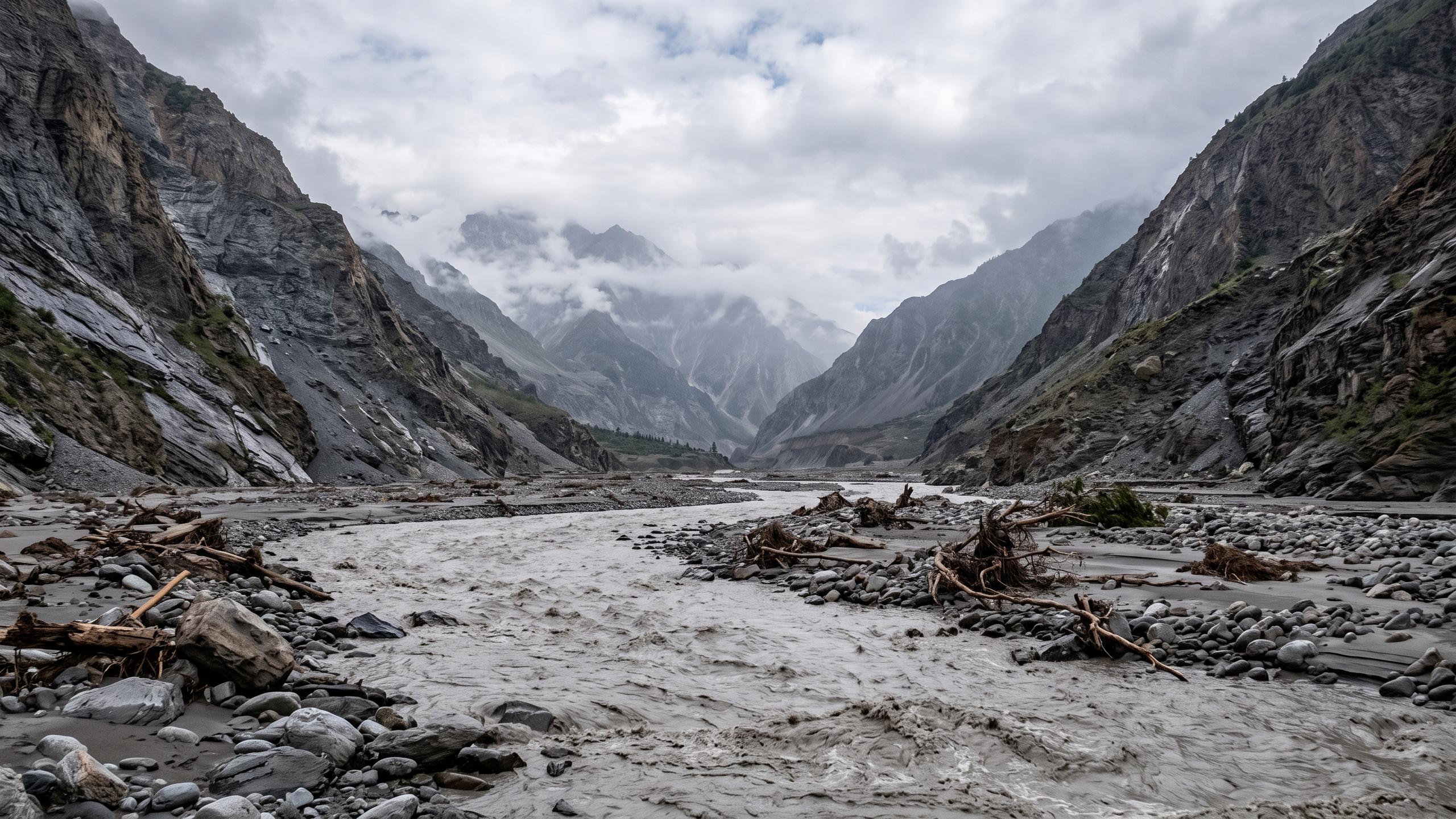
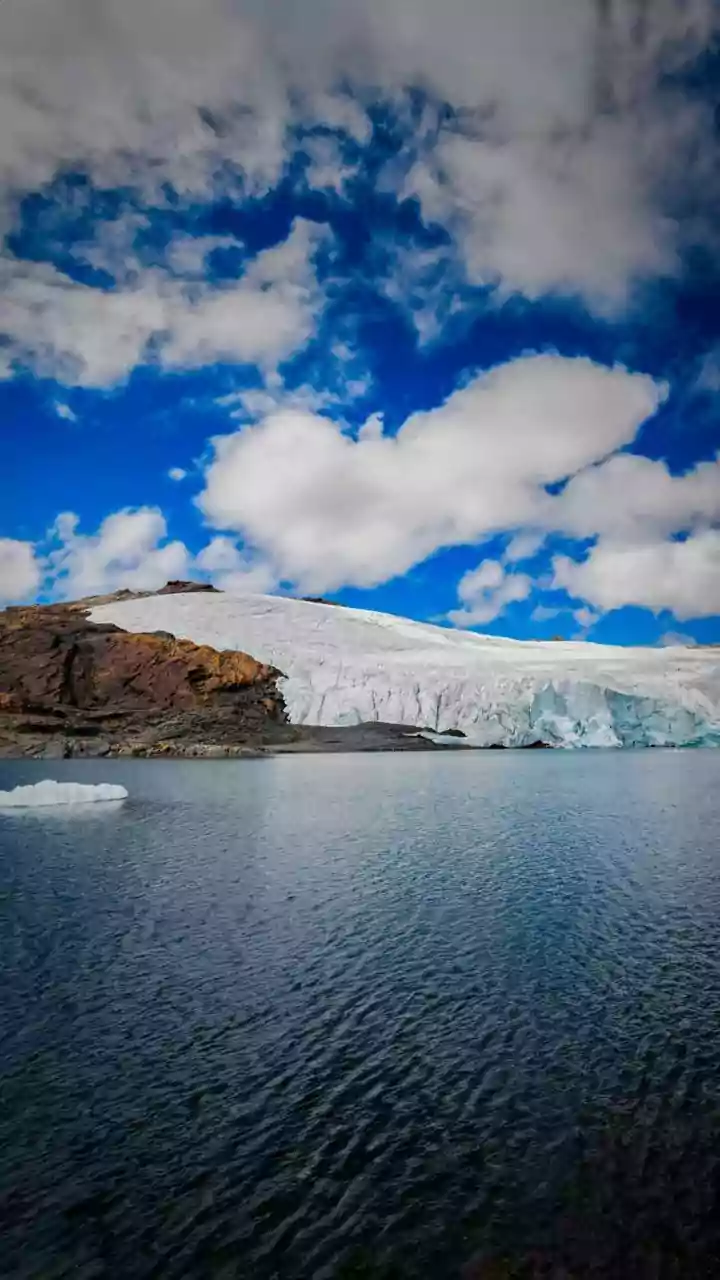
One of the most significant emerging threats is the Glacial Lake Outburst Flood, or GLOF. As glaciers melt and retreat, they leave behind depressions that fill with immense volumes of meltwater. These lakes are often dammed by unstable walls of moraine—loose rock, sediment, and ice left behind by the glacier. When this natural dam fails, it can release a torrent of water, mud, and boulders downstream with catastrophic force, destroying everything in its path, including bridges, roads, and villages. Triggers for a GLOF can include heavy rainfall, a landslide or ice avalanche crashing into the lake, or even just the immense pressure of the growing body of water. These events are sudden and violent, and their frequency is expected to increase as thousands of new glacial lakes form across the mountain range.
A Cascade of Hazards
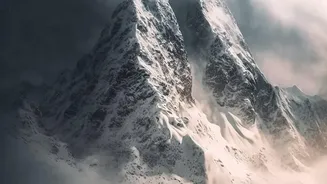
GLOFs are not the only risk. The retreat of glaciers destabilises entire mountainsides. Rock and ice that were once supported by huge volumes of ice are now exposed and more prone to collapse. This can lead to massive rockfalls and ice avalanches that can be devastating on their own, or act as the trigger for a GLOF. A recent disaster in the Rasuwa district of Nepal in August 2026 highlighted this complex danger, where the collapse of a large mass of a glacier, not a lake outburst, generated a deadly debris flow downstream. This phenomenon, known as a cascading hazard, is where one event triggers a chain reaction—an ice fall causes a flood, which wipes out a bridge, isolating communities and complicating rescue efforts. Thawing permafrost further weakens the ground, increasing the likelihood of landslides that can block rivers and create new flood risks.
How to Plan for a Safer Trip
While these risks sound intimidating, they should inspire respect and preparation, not fear. For travellers, this new reality demands a shift in planning. Start by choosing your trekking agency wisely; opt for reputable companies with licensed, experienced local guides who understand the terrain's evolving dangers. Before you book, research the specific valley you plan to trek in. Are there known high-risk glacial lakes in the area? Local authorities and organisations like the International Centre for Integrated Mountain Development (ICIMOD) often publish data on these hazards. Always ensure your travel insurance includes high-altitude trekking and helicopter rescue, as this may be the only way to evacuate from a remote area in an emergency. While on the trail, stick to marked paths, listen to your guide, and never underestimate the power of the mountains.
Reading the Warning Signs
Awareness on the trail is your best defence. While a GLOF can occur without warning, there are sometimes subtle signs of instability. Be mindful of any sudden or unusual changes in the colour or level of rivers. Listen for strange rumbling sounds that can’t be explained by wind or normal river flow, as they could indicate a landslide or icefall far upstream. Local communities are often the first to notice these changes, so heeding local advice is paramount. Trekking with a group and a knowledgeable guide significantly reduces your risk, as they are trained to spot potential dangers and make informed decisions. Your preparation should also include carrying a whistle, a basic first-aid kit, and a reliable communication device for emergencies.