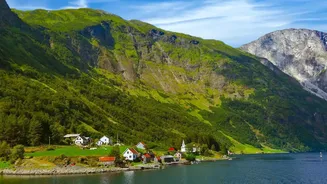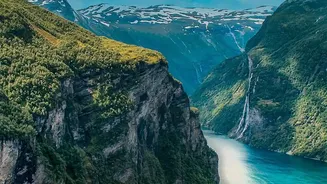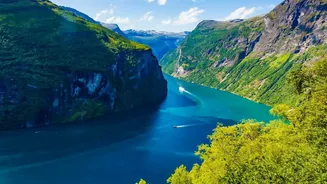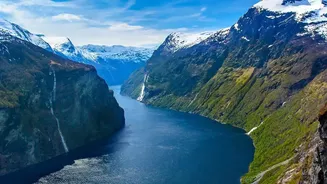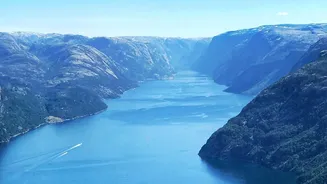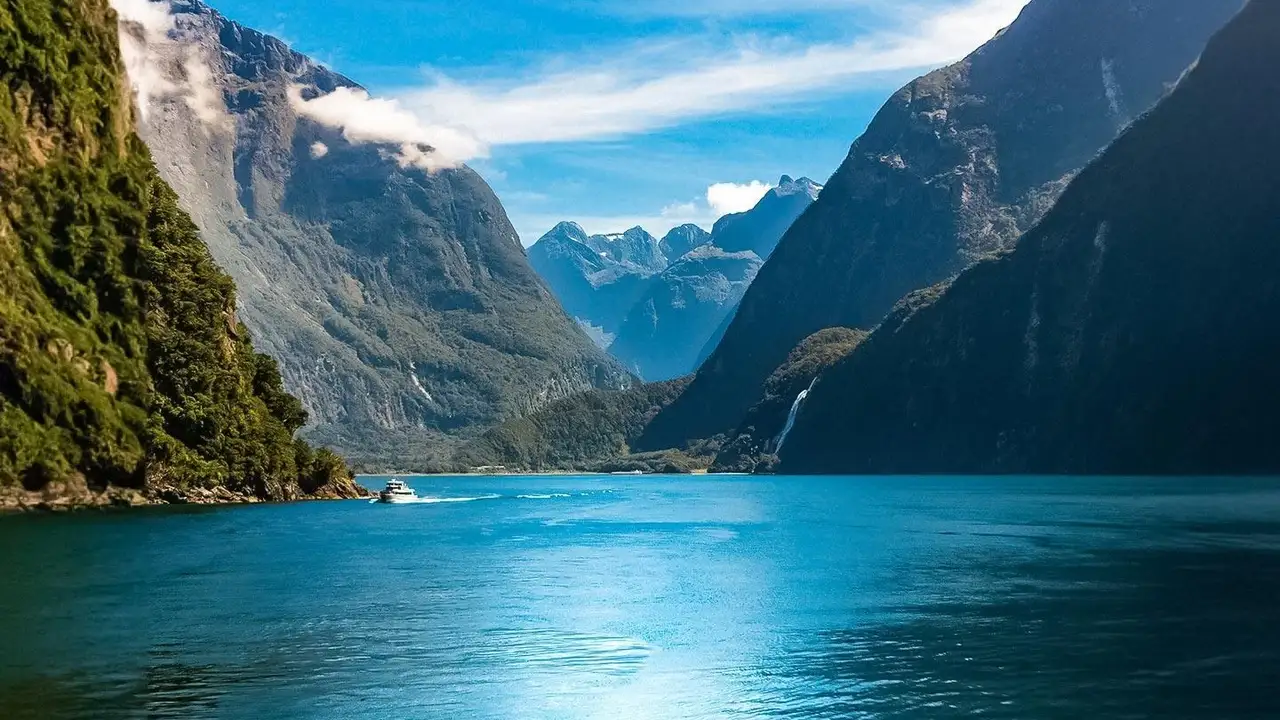



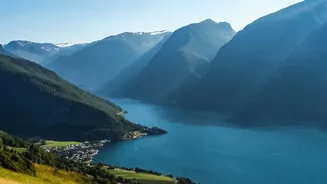
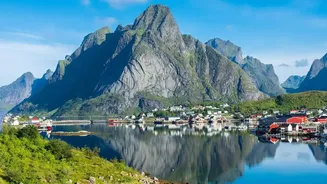
Carved by ancient glaciers, Norway's fjords are nature's masterpieces. Among them, two reign supreme: the Geirangerfjord and Nærøyfjord. Jointly named a UNESCO World Heritage site, they offer some of the most dramatic landscapes on Earth.
Two Fjords, One UNESCO Honour
In 2005, UNESCO
recognised the Geirangerfjord and Nærøyfjord as outstanding examples of fjord landscapes. Located about 120 kilometres apart, they were praised for their exceptional natural beauty, sheer rock walls, and numerous waterfalls. This status protects their pristine environment, ensuring that their natural and cultural heritage is preserved for the future. Visiting them is to witness a landscape that is not just beautiful, but also a significant chapter in the Earth's geological story.
Geirangerfjord: A Symphony of Water and Rock
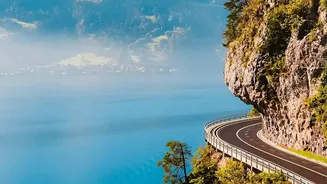
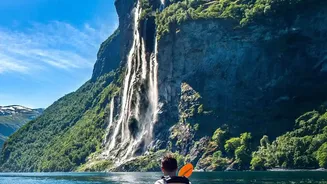
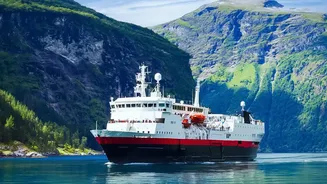
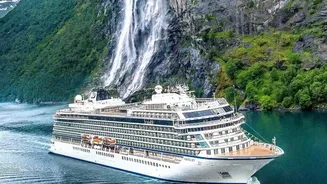
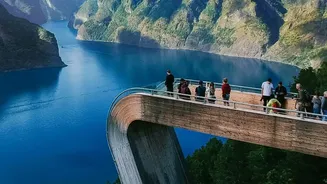
The 15-kilometre-long Geirangerfjord is famous for its iconic waterfalls and abandoned mountainside farms. The best way to grasp its scale is from the water. Ferry and sightseeing cruises glide past legendary sights like the Seven Sisters falls, a collection of seven streams plunging down the cliff face. Across the fjord, another waterfall known as 'The Suitor' appears to be trying to woo the sisters from afar. By land, the experience is just as breathtaking. The Eagle Road, a marvel of engineering, climbs the mountainside via 11 hairpin bends. Its highest viewpoint, Ørnesvingen, offers a panoramic vista of the fjord and the Seven Sisters. For an even higher perspective, the Geiranger Skywalk on Dalsnibba provides Europe's highest fjord view from a road, standing 1,500 metres above the water. Travellers can also hike the Waterfall Walk, a trail of 327 steps alongside the powerful Storfossen waterfall.
Nærøyfjord: The Narrow Marvel
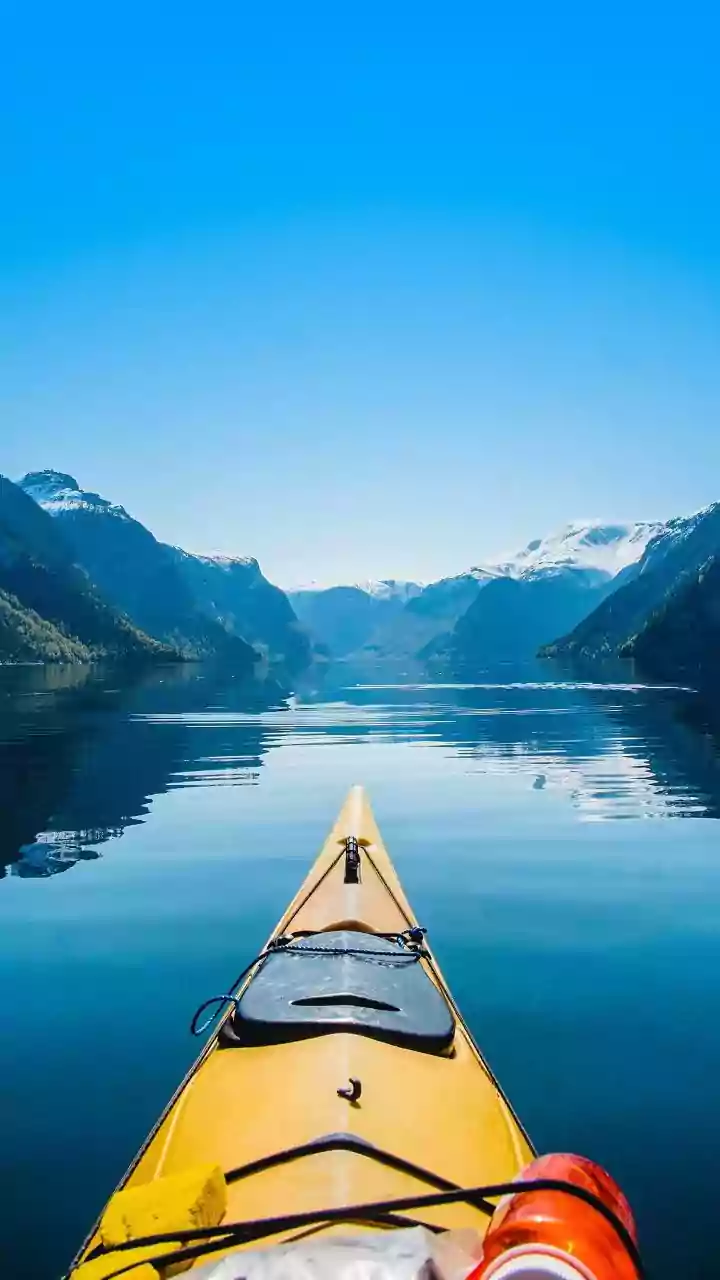
The Nærøyfjord, a branch of the larger Sognefjord, is renowned for its dramatic narrowness. At one point, it is only 250 metres wide, with mountains towering over 1,400 metres on either side. This creates an intimate and awe-inspiring atmosphere. The most popular way to experience it is through a fjord cruise, often part of the famous 'Norway in a Nutshell' tour. This self-guided journey combines a boat trip on the fjord with rides on two of Europe's most scenic railways: the Bergen Railway and the Flåm Railway. The cruise between the small villages of Gudvangen and Flåm often uses quiet electric vessels, allowing for a peaceful journey through the UNESCO-listed scenery. For the more adventurous, kayaking offers a completely different perspective, bringing you close to the water's surface amidst the towering cliffs. Several marked hiking trails, like the Royal Post Road, also allow for stunning views from land.
Planning Your Fjord Adventure
The best time to visit the fjords for the widest range of activities and open roads is during the summer months, from June to August. This period offers long daylight hours and milder weather, though it is also the peak tourist season. For fewer crowds, consider visiting in late May or September when the weather is still pleasant and the landscape is vibrant with spring blossoms or autumn colours. Spring is particularly spectacular as the melting snow makes the waterfalls even more powerful. When packing, remember that the weather in western Norway can be unpredictable. Layering is key, and waterproof outerwear is essential, even in summer. Good walking shoes are a must if you plan to explore any of the viewpoints or hiking trails. Booking tours and accommodation well in advance is highly recommended, especially during the peak summer months.