

An Escape from the Crowds
The traditional travel calendar in India has long revolved around school holidays and dry, sunny weather. This created a familiar pattern: packed hill stations in the summer and crowded beaches in the winter. Today, young Indians, particularly Millennials
and Gen Z, are rewriting this script. Faced with over-tourism and predictable itineraries, they are seeking more authentic and personal travel experiences. The monsoon, once considered an 'off-season', now offers a solution: fewer people, lower prices, and the chance to see a destination in its most natural state. Recent travel data shows a significant spike in interest for monsoon travel, with the Northeast emerging as a breakout star. While popular spots like Goa and Kerala also see monsoon visitors, the growth in states like Nagaland and Arunachal Pradesh has been exceptional, with hotel bookings in the region rising dramatically.
The Allure of a Greener World
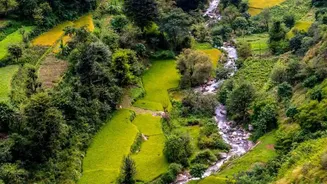
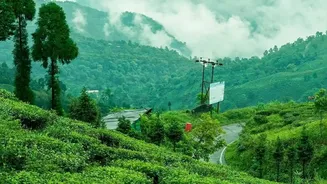
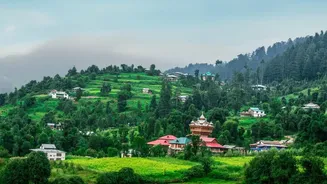
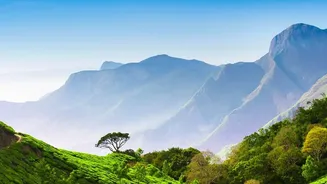
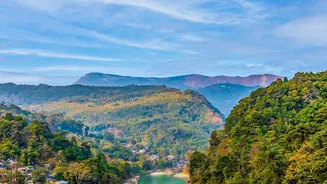
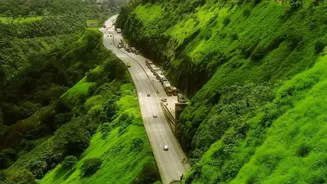
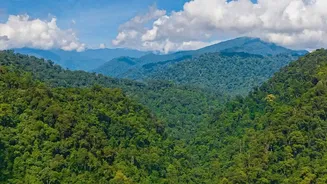
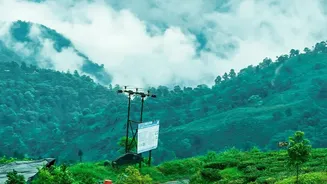
What draws travellers to a region known for some of the heaviest rainfall in the world? The answer lies in the dramatic transformation of the landscape. During the monsoon, from roughly June to September, the Northeast explodes in countless shades of green. The mountains are draped in clouds, valleys are filled with mist, and waterfalls that are mere trickles in the dry season become powerful, roaring spectacles. Destinations like Shillong and Cherrapunji in Meghalaya become ethereal, living up to the state's name, 'the abode of clouds'. This lush, rain-washed scenery offers a completely different kind of beauty—one that feels more immersive, wild, and incredibly photogenic. For young city dwellers, the chance to be enveloped by such vibrant, unspoiled nature is a powerful antidote to urban life.
Deeper Cultural Connections
Travelling during the shoulder or off-season often allows for more meaningful interactions with local culture, and the Northeast is no exception. With fewer tourists around, experiences feel more personal. Visitors can spend more time at a local cafe in Shillong, have longer conversations with a homestay owner in Ziro Valley, or explore ancient monasteries in Sikkim at a relaxed pace. This is also the time to witness unique natural phenomena, like the iconic living root bridges of Meghalaya, which are set against the backdrop of a lush, thriving rainforest. This shift towards slower, more experiential travel is a hallmark of the younger generation, who often prioritise cultural immersion over simply ticking off a list of sights.
The Rise of Conscious and Spontaneous Travel
The trend also reflects a broader change in travel philosophy. Many young Indians are moving away from the idea of one big annual vacation, preferring multiple, shorter, and more spontaneous trips throughout the year. The affordability of monsoon travel makes these quick getaways more feasible. Furthermore, there is a growing desire for travel that feels unique and undiscovered. A recent survey revealed that an overwhelming majority of Gen Z travellers want their journeys to feel personal, actively seeking places that haven't gone viral online. The Northeast, with its vast, relatively unexplored landscapes, perfectly fits this desire for offbeat adventure. It offers a sense of discovery that's hard to find in more mainstream destinations.
Planning a Monsoon Adventure
Of course, travelling to the Northeast during the monsoon requires some planning. While the main arteries are generally accessible, heavy rains can lead to landslides and road closures in more remote areas. However, for those willing to be flexible and prepared, the rewards are immense. The weather is cool and pleasant, a welcome respite from the heat in other parts of the country. The key is to choose your destinations wisely—Meghalaya is celebrated for its monsoon beauty, while certain high-altitude treks might be best avoided. Many travellers opt for guided tours or stick to popular circuits like Guwahati-Shillong-Cherrapunji, ensuring a safe yet thrilling experience.