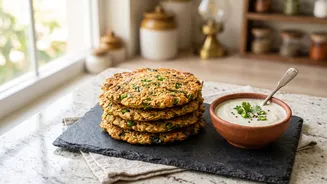








Looking for a breakfast that is both hearty and healthy? Enter Oats Adai, a modern, nutritious twist on the classic South Indian lentil pancake. It's quick, packed with protein, and endlessly versatile. Here’s everything you need to know.
A Modern Take on a Classic
Traditional adai
is a beloved dish from Tamil Nadu, known for being a savoury, thick pancake made from a mixture of lentils and rice. Unlike its cousin, the dosa, adai batter does not require fermentation, making it a much quicker option for a satisfying meal. By swapping out the traditional rice for oats, this version becomes even more appealing for those looking to add more fibre and whole grains into their diet. The oats lend a soft texture and a subtle, toasty flavour without compromising the classic taste that makes adai so popular. This simple change transforms a classic comfort food into a modern health food.
Gathering Your Ingredients
The foundation of any good adai is the blend of dals (lentils). A common combination includes toor dal, chana dal, and urad dal, which together provide a rich, earthy flavour and a fantastic protein boost. For Oats Adai, you will need rolled or quick-cooking oats. You'll also need aromatics and spices like dried red chillies, ginger, fennel seeds, and a pinch of asafoetida (hing) to give the batter its characteristic warmth and fragrance. To add texture and freshness, finely chopped onions, curry leaves, and coriander are stirred into the batter just before cooking. Some recipes also incorporate a small amount of moong dal or even vegetables like grated carrots, chopped capsicum, or drumstick leaves for added nutrition.
Step 1: Soaking the Lentils
The first crucial step is to rinse and soak your lentils. Combine the toor dal, chana dal, urad dal, and any other lentils you are using in a bowl. Wash them under running water a few times until the water runs clear. Then, submerge them in plenty of fresh water. The lentils should soak for at least two to three hours. This softens them, making them easier to grind into a batter. Some recipes suggest soaking the dried red chillies along with the dals to ensure they blend smoothly into the batter, distributing their heat evenly. If you're short on time, using warm water can speed up the process slightly, but a proper soak yields the best texture.
Step 2: Grinding the Batter
Once the lentils are soaked, drain them thoroughly. Transfer the drained dals and red chillies to a mixer grinder. Add the oats, chopped ginger, and fennel seeds. Grind the mixture into a batter that is coarse and slightly grainy—this texture is key to a good adai. It should be thicker than a standard dosa batter. You will need to add water sparingly during grinding, just enough to get the blades moving and achieve the right consistency. Over-grinding will result in a smooth, pasty batter that makes for a floppy adai rather than one with a satisfying bite. After grinding, transfer the batter to a large bowl, stir in the salt and asafoetida, and then fold in your chopped onions, curry leaves, and coriander.
Step 3: Cooking the Adai
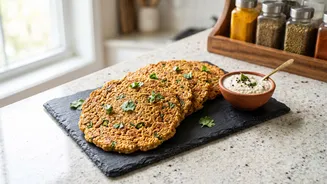
Heat a flat tawa or cast-iron pan over a medium flame. Once it’s hot, pour a ladleful of the batter onto the centre and spread it outwards in a circular motion to form a thick pancake, similar to an uttapam. A traditional trick is to make a small hole in the centre of the adai, which helps it cook evenly. Drizzle a teaspoon of oil or ghee around the edges and a few drops in the centre. Let it cook for three to four minutes on medium-low heat, until the underside is a deep golden brown and the edges begin to lift from the pan. Flip the adai carefully and cook the other side for another two to three minutes until it's cooked through with brown spots.
Serving and Pairing Suggestions
Oats Adai is best enjoyed hot, straight off the tawa. The classic and most beloved accompaniment is aviyal, a mixed vegetable stew cooked in a coconut and yogurt gravy. Another simple yet delicious pairing is a lump of jaggery and a dollop of white butter, which provides a sweet contrast to the savoury pancake. For a lighter meal, it pairs wonderfully with a variety of chutneys. Coconut chutney, tomato chutney, and spicy onion chutney are all excellent choices. You can also serve it with a side of idli podi (gunpowder) mixed with sesame oil. The batter can be stored in the refrigerator for up to two days, making this a convenient option for a quick and healthy meal.