



Recognise the Signs of Distress
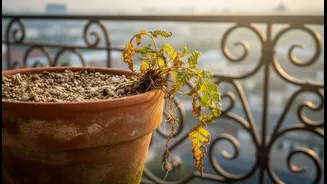
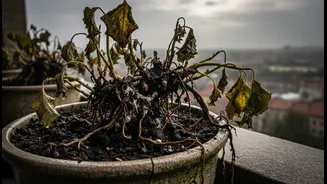
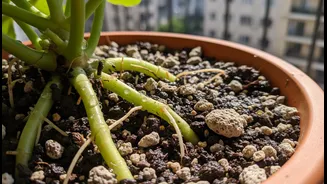
The most common sign of poor drainage is a plant that looks wilted even when the soil is wet. This happens because the roots are waterlogged and can no longer absorb oxygen or nutrients. Other tell-tale signs include yellowing leaves, especially lower
ones, stunted growth, and a sour or mouldy smell coming from the soil. If you spot dark, mushy roots when you inspect the plant, you are dealing with root rot, a condition that can be fatal if not addressed quickly.
Assess Your Container
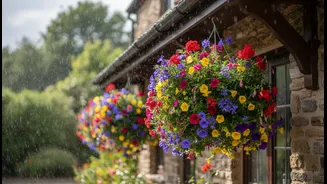
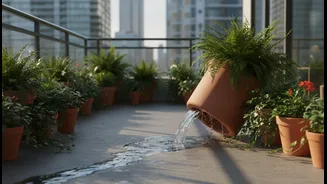
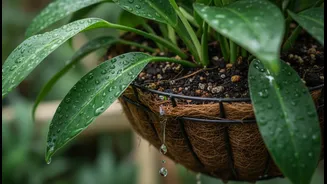
The first line of defence against waterlogging is the container itself. Every hanging basket must have drainage holes. If your decorative plastic or ceramic pot lacks them, you'll need to drill some yourself. For wire baskets lined with coco coir or moss, the issue is often the opposite; they can drain too quickly in dry weather but become overly saturated during constant rain. Consider moving these to a sheltered spot during heavy downpours. You can also elevate your pots on feet or bricks to ensure the holes are not blocked and to promote better airflow underneath.
Create a Superior Soil Mix
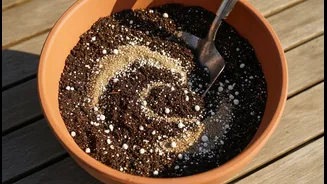
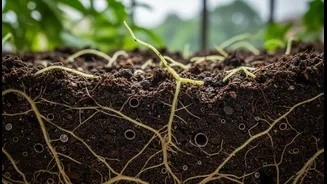
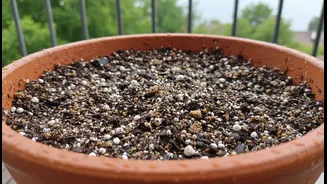
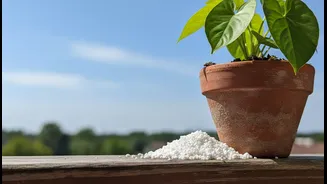
Standard potting soil on its own may not provide enough drainage for the humid, rainy conditions common in many parts of India. A heavy mix can become compacted and suffocate roots. To prevent this, create a lighter, more porous growing medium. A great DIY mix involves combining equal parts potting soil, coco coir (for moisture retention without sogginess), and a material to improve aeration like perlite or coarse sand. These additives create air pockets in the soil, allowing excess water to drain away freely and helping oxygen reach the roots. Avoid using heavy garden soil, which can introduce pests and compact easily.
Watering Wisely in Wet Weather
It seems counterintuitive, but you still need to be mindful of watering during a rainy spell. Rain might only wet the top layer of soil, while the bottom remains either too dry or completely waterlogged. Always check the soil moisture before adding more water. Stick your finger about an inch into the soil; if it feels moist, hold off. The weight of the basket is another good indicator – a well-watered basket feels heavy, but an overly saturated one will be noticeably heavier and may still have wilting plants. When you do water, do so thoroughly until water runs from the drainage holes to ensure the entire root ball is moistened.
Choose Plants Suited to the Climate
Some plants are simply better equipped to handle humidity and moist soil than others. For Indian climates, especially during monsoon, consider humidity-loving bloomers like Hibiscus and Ixora. Portulaca, also known as moss rose, has succulent leaves that store water, making it resilient. Other good options for hanging baskets in warm, humid areas include trailing plants like Pothos and Tradescantia. Plants that prefer drier conditions, while beautiful, may struggle and become more susceptible to fungal diseases and root rot during prolonged wet periods.