






Essential Clothing: Layer for the Unpredictable
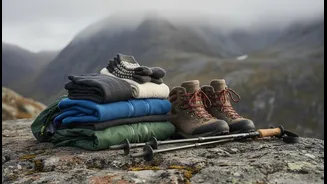
The weather in the high Himalayas is notoriously unpredictable, changing from sunny to rainy and cold within hours. Layering is your best strategy. Start with thermal innerwear to retain body heat. Add a fleece jacket or a light sweater as a mid-layer
for insulation. The outermost layer must be a high-quality waterproof and windproof jacket. Also, pack waterproof trousers, as rain is common. Women are advised to wear comfortable trekking attire like salwar kameez or tracksuits instead of sarees, which can be difficult to manage on the trek. Don't forget multiple pairs of warm, woollen socks to keep your feet dry and prevent blisters. A woollen cap or balaclava, gloves, and a muffler are also non-negotiable to protect against the biting cold.
Footwear: Your Most Important Gear
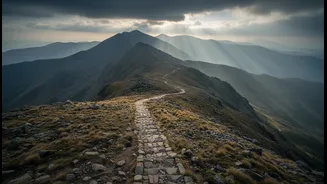
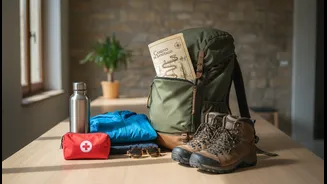
You will be trekking over uneven, rocky, and often slippery terrain. The right footwear is critical for a safe journey. Invest in a pair of sturdy, waterproof trekking shoes with excellent grip and ankle support. It is crucial to break in your shoes well before the Yatra to avoid painful blisters. Do not attempt the trek in slippers, sandals, or regular sports shoes. For added comfort at the campsites, you can carry a pair of lightweight floaters or sandals.
Medical Kit: Prepare for High Altitudes
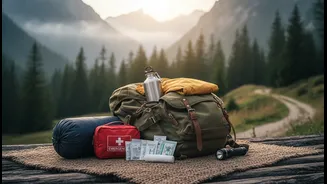
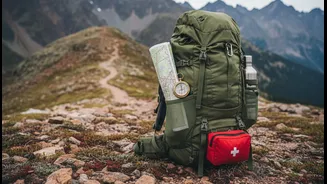
The trek to the Amarnath cave reaches altitudes up to 14,000 feet, where high-altitude sickness (HAS) is a real risk. Your personal medical kit is vital. Pack basic medicines for fever, headache, nausea, and an upset stomach, along with any personal medications you take. Include antiseptic cream, bandages, and a pain-relief spray for minor injuries. Sunscreen and lip balm are essential to protect against strong UV radiation at high altitudes. Critically, consult a doctor before your trip about medications for altitude sickness. Staying hydrated is one of the best ways to prevent HAS, so aim to drink about 5 litres of water daily. It can also be useful to carry portable oxygen canisters for emergencies.
Food and Hydration: Keep Your Energy Up
While food is available at langars (community kitchens) along the route, carrying your own high-energy snacks is a smart move. Pack items like dry fruits, nuts, roasted chana, jaggery, and dark chocolate. These provide a quick source of energy and carbohydrates, which help combat fatigue at high altitudes. Carry a reusable water bottle to stay hydrated and reduce plastic waste. Electrolyte powders or ORS sachets can also be added to your water to replenish lost salts and prevent dehydration.
Documents and Other Essentials
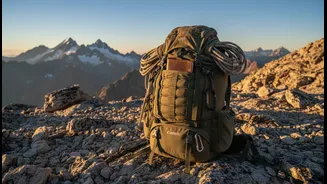
Keep all your documents safe in a waterproof pouch. This includes your Yatra Permit, Compulsory Health Certificate (CHC), and a government-issued photo ID like an Aadhaar card. An RFID card, issued after registration, is mandatory and must be worn at all times for tracking and safety. Since prepaid SIM cards often don't work, a BSNL, Jio, or Airtel postpaid SIM is recommended for connectivity. Also, carry sufficient cash, as digital payments may not be an option everywhere. A power bank, a torch or headlamp with extra batteries, and a walking stick for support are other indispensable items.