





Revenue vs. Profit: A Tale of Two Lines
In business, not all numbers are created equal. Think of a company's finances like a simple summary. At the very top, you have revenue. This is the total amount of money a company brings in from selling its goods or services—every flight ticket, cargo
shipment, and ancillary service sold. It’s often called the 'top line'. But revenue is just the starting point. To run a business, you have to spend money on salaries, fuel, maintenance, office rent, marketing, and loan interest. These are your expenses. Profit, or the 'bottom line', is what’s left after you subtract all those expenses from your total revenue. When expenses are higher than revenue, the company has a net loss, even if it’s bringing in billions in sales.
Air India's Financial Snapshot
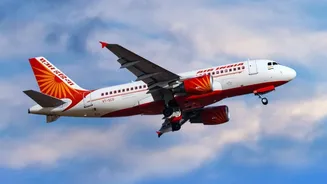
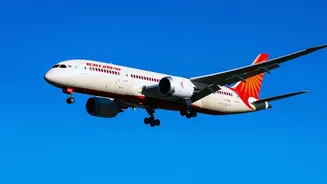
For the first half of the 2027 fiscal year (April to September 2026), Air India is estimated to have lost around ₹10,500 crore. This figure was calculated based on financial disclosures from Singapore Airlines, which owns a 25.1% stake in the Indian carrier. What's noteworthy is that this loss is actually a 16% improvement from the ₹12,500 crore loss reported in the same period last year. This suggests that while the airline is still spending more than it earns, the gap is narrowing. The headline number, a massive loss, hides this positive trend of moderating losses and hints that underlying operational changes might be taking effect.
How Can a Business Lose Money While Growing?
It seems counterintuitive, but it's common for a company to report a net loss even when its revenues are growing. This often happens during a period of intense investment, which is exactly the phase Air India is in. Since being acquired by the Tata Group, the airline has embarked on a massive transformation journey. This involves huge capital expenditures that drive up the 'expenses' side of the ledger. Think about the record-breaking orders for new aircraft, the cost of refurbishing old cabins, upgrading IT systems, and the complex, expensive process of integrating airlines like Vistara. Add to this volatile operating costs like jet fuel, which can surge unexpectedly, and you have a perfect recipe for high expenses that temporarily outstrip revenue. Many high-growth companies, like Amazon in its early days, deliberately operate at a loss to invest in future dominance.
The Long-Term Bet on a Global Carrier
The losses at Air India are not an unforeseen accident; they are part of a calculated, long-term strategy. The Tata Group and its partner, Singapore Airlines, have acknowledged that a transformation of this magnitude will take time and significant investment. The goal is to build a world-class airline with a modern fleet and superior service that can compete globally. This requires spending money now to generate sustainable profits later. The current losses are a reflection of that investment in everything from new planes and better seats to improved operational efficiency and customer service. The focus for the airline's management is on 'strengthening structural cost efficiencies' and 'unlocking greater synergies', which indicates a plan to bring expenses under control as the initial investment phase matures.