






Beyond the Work Triangle
For decades, kitchen design was ruled by the “work triangle,” an imaginary line connecting the sink, stove, and refrigerator. This concept, dating back to the 1940s, aimed to minimize steps for a single cook. But modern kitchens, even small ones, often
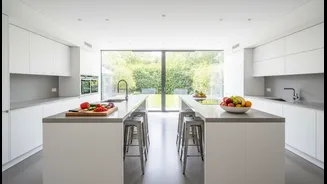
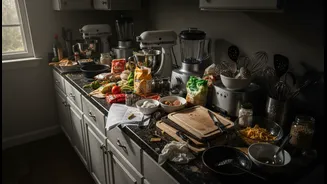
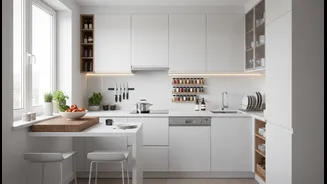
serve multiple purposes and sometimes multiple people. Today, designers are embracing a more flexible approach: work zones. This method involves dividing your kitchen into specific areas based on tasks like prepping, cooking, and cleaning. The goal is to create a seamless workflow, reducing clutter and making the entire cooking process more intuitive and enjoyable.
The Prep Zone: Your Primary Workspace
You spend most of your kitchen time—around 70 percent, according to some experts—in the prep zone. This is where you chop vegetables, mix ingredients, and assemble meals. In a small kitchen, dedicate the largest clear stretch of counter space to this zone. Ideally, it should be located between the refrigerator and the sink for easy access to ingredients and washing. To maximize this area, keep only essential tools here, like a knife block and a utensil holder. Use over-the-sink cutting boards to instantly create more prep space when you need it, and ensure your trash and compost bins are nearby to easily dispose of scraps without crossing the room.
The Cooking Zone: Everything Within Reach
The cooking zone is centered around your stove, oven, and microwave. Efficiency here is about keeping everything you need for the actual cooking process within arm's reach to save time and prevent spills. Store pots and pans in the cabinet directly below or beside the stove. Use drawer dividers for cooking utensils like spatulas and whisks. Spices and cooking oils should also be close at hand. Consider using magnetic racks on the side of your fridge or a narrow shelf mounted above the stove to keep these items accessible without cluttering your precious prep counter.
The Cleaning Zone: Streamline the Aftermath
No one loves the cleanup part, but a well-organized cleaning zone can make it faster and less of a chore. This area is anchored by the sink and dishwasher. All your cleaning supplies—sponges, soap, and sprays—should be stored neatly under the sink, using stackable shelves or bins to maximize the space. To keep dirty dishes from piling up on the counter, have a system. Scrape, rinse, and load directly into the dishwasher. If you don't have a dishwasher, use a compact, collapsible drying rack that can be stored away after use, freeing up counter space.
The Storage Zones: Consumables and Non-Consumables
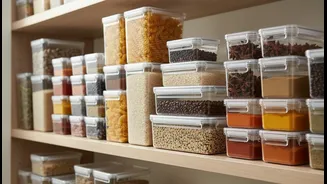
In a small kitchen, storage is often the biggest challenge. It helps to think of storage in two categories: consumables (food) and non-consumables (dishes, glassware). For consumables, group like items together in your pantry or designated cabinets. This helps you see what you have, reduces food waste, and prevents buying duplicates. For non-consumables, store items logically. Keep mugs and glasses near the coffee maker or refrigerator. Store everyday plates and bowls near the dishwasher to make unloading easier. Utilize vertical space with shelf risers to double your storage in cabinets for plates and bowls.