






The Myth of Price Equalling Quality
In the booming market for healthy foods, it's easy to fall into the trap of thinking that the most expensive packet of millets is automatically the best. While premium brands invest heavily in marketing, organic certifications, and attractive packaging,
these elements often inflate the cost without necessarily improving the nutritional value of the grain itself. Factors like branding, import costs for certain varieties, and multi-layered distribution chains contribute more to the final price than the inherent quality of the millet. Urban demand has pushed prices up, but the benefit doesn't always trickle down to the farmer, instead getting absorbed by middlemen and retailers who can demand high margins. This means a savvy consumer can often find equally good, if not better, quality millets at a more reasonable price by looking beyond the fancy labels.
What 'Quality' in Millets Actually Means
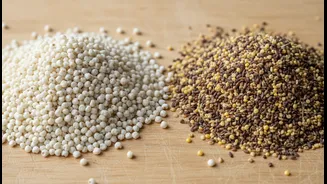
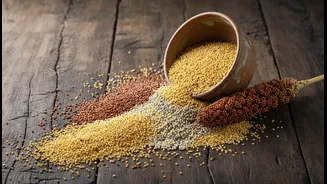
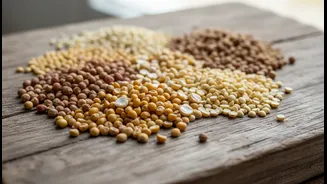
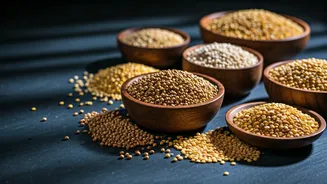
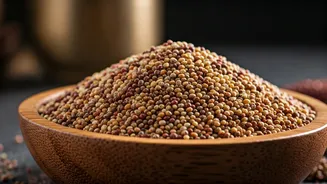
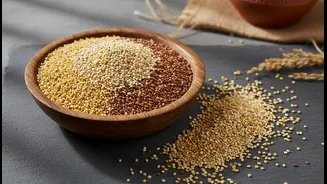
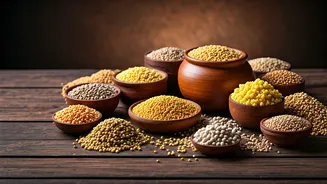
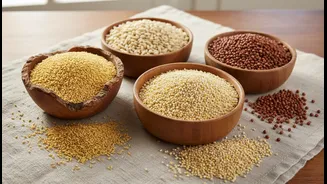
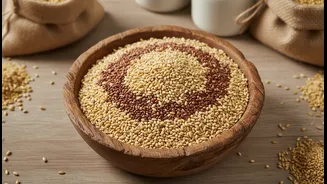
Instead of relying on price, it's more useful to understand the true indicators of quality. The most crucial factor is whether the millet is unpolished or polished. Unpolished millets retain their outer bran layer, which is rich in fibre, minerals, and antioxidants. Polished millets, which often look uniformly white and shiny, have had this nutritious layer removed. Here’s what to look for: colour, texture, and purity. Genuine unpolished millets have natural hues—foxtail is golden-yellow, kodo is reddish-brown, and others are greyish. They should feel slightly rough, not smooth or slippery. Good quality grains are also uniform in size, free from debris, stones, or weevilled grains, and have a moisture content below 13-14% to prevent spoilage. Some experts also suggest looking for the 'millet eye,' a tiny black dot on each grain, which indicates it hasn't been overly processed or adulterated with other grains like broken rice.
Your Smart Shopping Guide: Where to Find Value
Finding affordable, high-quality millets is about knowing where to look. While supermarkets offer convenience, they often carry heavily branded products at higher prices. For better value, consider exploring your local options. Kirana stores are often a great source for staple millets like jowar, bajra, and ragi at reasonable prices. Farmer's markets, where growers sell their produce directly, are another excellent choice for fresh, locally sourced grains and can offer better prices by cutting out the middleman. Don't overlook government initiatives either. Many states have integrated millets into the Public Distribution System (PDS) and support farmer cooperatives, making these nutritious grains more accessible and affordable. Organisations like Organic Mandya in Karnataka, for instance, connect thousands of farmers directly to consumers, ensuring fair prices and quality products.
Know Your Millets: A Quick Primer
Different millets offer unique benefits and have distinct characteristics to watch for. Jowar (Sorghum) is a good source of protein and fibre. Look for creamy white or light yellow grains. Bajra (Pearl Millet), rich in iron and magnesium, should have uniformly sized, greyish-brown grains. Ragi (Finger Millet) is a calcium powerhouse; the best quality is dark brown and feels coarse. Among the 'positive' or Siridhanya millets, Foxtail (Kangni/Navane) is a great rice substitute and should be golden-yellow. Kodo millet, known for its high antioxidant content, should have a reddish-brown colour. Browntop millet, one of the most nutrient-dense varieties, is brownish-red and has a nutty flavour. By familiarising yourself with the appearance of these unpolished grains, you can make informed choices regardless of the brand.