







A Pet’s Over-Sensory World
Pets experience the world differently. A dog’s hearing is far more sensitive than a human's, able to detect higher frequencies and sounds from greater distances. Similarly, cats have incredibly acute hearing. What sounds like exciting music or festive
firecrackers to us can be a terrifying barrage of noise for them. Crowded spaces present a similar challenge. A pet can feel overwhelmed and physically vulnerable in a large crowd of people, leading to fear and anxiety. This overstimulation happens when their brain receives more sensory input from sounds, sights, and smells than it can process, turning excitement into stress.
Recognising the Signs of Stress
Our pets can't tell us when they're overwhelmed, but their body language often does. Recognising these signals early is key. For dogs, signs of anxiety include excessive panting (when not hot), trembling, tucking their tail, frantic pacing, or becoming unusually clingy. They might also lick their lips, yawn, refuse food, or start barking in a way that is difficult to interrupt. Cats often show stress more subtly. Look for hiding, a crouched posture, dilated pupils, hissing, or sudden aggression when approached. A cat that is swishing its tail quickly or has its ears turned back may also be feeling overwhelmed.
Holiday Hotspots and Hazards
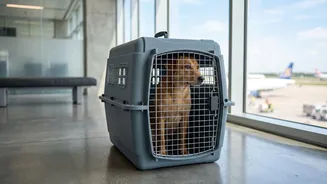
Holiday travel in India, whether for festivals like Diwali or a summer vacation, often involves environments that are challenging for pets. Busy train stations, airports, and even long car journeys can be stressful. Festive gatherings mean unfamiliar faces and loud conversations, while events with fireworks can trigger a full-blown flight response. Even a stay at a hotel or a relative's home is a new environment with unfamiliar smells and sounds that can put a pet on edge. It's crucial to remember that a new setting lacks the predictability and routine that helps pets feel secure.
Plan Ahead for a Peaceful Trip
The best way to manage pet anxiety is through preparation. Before you travel, ensure your pet is up-to-date on vaccinations and has an ID tag with your current contact information. If travelling by car, get your pet used to short drives first to build positive associations. Always choose pet-friendly accommodation and confirm their policies in writing before you book. Pack a dedicated travel kit for your pet. This should include their regular food, water, collapsible bowls, a favourite toy or blanket, and any necessary medications. Familiar items carry the scent of home and can provide a sense of security in a new place.
Managing Stress in the Moment
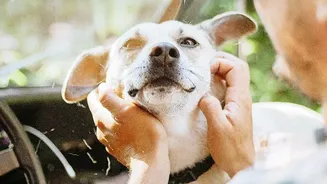
When you arrive at your destination or find yourself in a crowded area, your calm energy is crucial, as pets often mirror their owner's emotions. Try to maintain their regular feeding and walking schedule to provide a sense of normalcy. If a space becomes too loud or busy, lead your pet away to a quieter area. During car trips, plan for stops every two to three hours for water and a short walk. Never, ever leave your pet unattended in a parked car, as temperatures can rise to fatal levels within minutes.
Create a Dedicated Safe Haven
In any new environment, one of the best things you can do is create a 'safe space' for your pet. This is a quiet, low-traffic corner where they can retreat when they feel overwhelmed. Set up their bed or carrier there with their familiar blanket and toys. For dogs, a crate can serve as a secure den. For cats, a high perch or a carrier set up as a bed in a quiet room works well. Make it clear to other family members and guests that this is the pet's sanctuary and they should not be disturbed when they are there. This gives them a sense of control and a place to decompress.