


From Transport to Experience
In a world obsessed with speed, a distinct shift is happening on India's vast railway network. The idea of travel is evolving from merely getting from one point to another to savouring the moments in between. This embrace of 'slow travel' finds its perfect
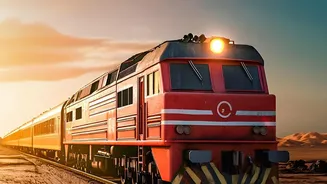
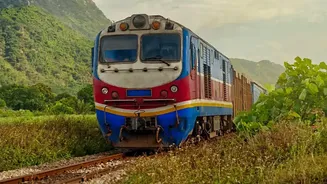
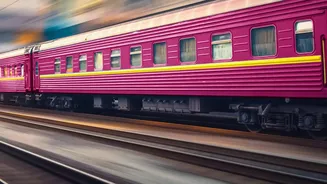
expression in the train journey, a mode of transport that offers a front-row seat to India’s ever-changing landscapes, cultures, and colours. Travellers are increasingly choosing the window seat over a flight path, driven by a desire for a deeper, more connected experience. It’s no longer just about the destination; it’s about the unfolding narrative outside the window, the shared meals, and the unhurried passage of time that air travel simply cannot replicate.
The Vistadome Revolution
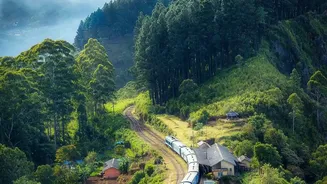
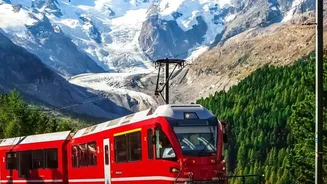
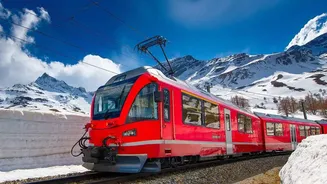
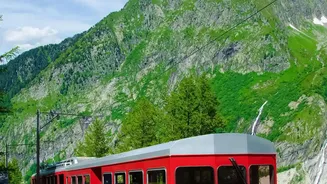
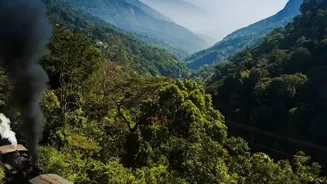
At the forefront of this experiential shift are the Vistadome coaches introduced by Indian Railways. These specially designed carriages feature large glass windows, transparent roofs, and seats that rotate 360 degrees, offering passengers panoramic views of the scenery. Initially launched on scenic routes like Visakhapatnam to Araku Valley, their popularity has led to expansion across the country. Routes through the Western Ghats from Bengaluru to Mangaluru, the Himalayan foothills on the Kalka-Shimla line, and the snow-clad valleys of Kashmir have become major attractions in themselves. These coaches transform a simple train ride into an immersive visual feast, making the journey an integral part of the holiday. The focus is clear: to let travellers soak in the natural beauty that often flashes by unnoticed.
Curated Circuits for the Curious
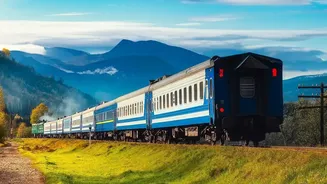
Beyond individual coaches, Indian Railways, particularly through IRCTC, has leaned into tourism by launching theme-based tourist trains. The 'Bharat Gaurav' scheme allows operators to run curated tour packages, bundling travel, accommodation, and sightseeing. These trains cater to diverse interests, with circuits designed for religious pilgrimages like the Ramayana Yatra or the Guru Kripa Yatra, and others for exploring cultural heritage. These packages remove the logistical hassles of planning a multi-destination trip and create a shared experience for like-minded travellers. The exteriors of the trains are often decorated to reflect the theme, building anticipation from the moment passengers step on the platform. This model successfully merges the convenience of a guided tour with the timeless romance of rail travel.
Luxury on the Rails
On the premium end of the spectrum, luxury trains like the Maharajas' Express and the Deccan Odyssey are redefining opulence on wheels. These are not just trains but five-star hotels that move, complete with plush cabins, fine-dining restaurants, and impeccable service. While catering to a niche, high-end market, their existence has a ripple effect on the perception of rail travel. They showcase the ultimate potential of train journeys as a form of luxurious, unhurried exploration. By harking back to an era of royal sojourns, these services elevate the status of rail tourism, inspiring a broader appreciation for journeys that are as grand as the destinations themselves.
A More Connected Way to Travel
This growing preference for rail tourism reflects a deeper trend. It's about sustainability, choosing a mode of transport with a lower carbon footprint than flying. It's about connection—with the landscape, with fellow passengers, and with the diverse tapestry of life that thrives along the railway lines. As the train meanders through remote villages and bustling towns, it offers a glimpse into the soul of the country that is missed from 30,000 feet in the air. This shift suggests that for many, efficiency is no longer the only metric for a good trip. The richness of the experience, the stories gathered along the way, and the simple joy of watching the world go by are becoming paramount.