


The Pressure of Generosity
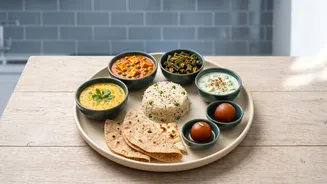
In Indian culture, hospitality is paramount, especially during festivals. Offering an abundance of food is a sign of love, prosperity, and respect for guests. There's a deep-seated social pressure to ensure there is always more than enough, as running
out of food would be seen as a failure of hosting. This mindset of 'performative feasting' means we often deliberately cook and buy far more than is needed. Studies have shown that weddings and social gatherings are major sources of food wastage, with a significant portion of food prepared for guests being discarded. This cultural expectation to display affluence and generosity through food is a primary driver of over-preparation.
The Psychology of 'Just in Case'
Beyond cultural norms, our brains are wired for a 'just in case' mentality during stressful periods. The holidays, while joyful, can be stressful with planning, shopping, and hosting duties. This stress can lead to emotional eating and a desire for comfort foods, but it also triggers a fear of scarcity. Hosts often buy extra ingredients and prepare additional dishes to account for unexpected guests or hearty appetites. This impulse is compounded by an 'all-or-nothing' mindset where the usual rules of moderation are suspended for the festive period, making over-purchasing feel justified.
The Planning Fallacy
Festivals disrupt our normal routines, and that includes meal planning. We often shop without a precise list, swayed by festive offers and attractive packaging. This leads to impulse buys of special ingredients that may only be used once or not at all. Furthermore, predicting guest numbers is a guessing game. An uncertain headcount makes it nearly impossible to calculate exact quantities, so we err on the side of excess. This lack of a concrete plan is a major contributor to both buying too much at the store and cooking too much in the kitchen, a key reason household food waste spikes during festive periods.
From Waste to Wisdom: Plan Your Feast
The good news is that reducing waste doesn't mean reducing joy. The first step is mindful planning. A week before your event, create a detailed menu. Once you have your menu, do a thorough check of your pantry and fridge before making a shopping list. This prevents buying duplicates. When you do shop, stick to the list to avoid impulse buys. For your guest list, ask for a confirmation a few days in advance. Modern tools like meal planning apps can even help you scale recipes based on the number of people you're feeding, taking the guesswork out of portion sizes.
Embrace Smart Serving and Storage
How you serve food matters. Instead of loading up plates, encourage guests to take smaller portions first; they can always come back for seconds. This simple change can dramatically reduce plate waste. When it comes to storage, follow the 'First In, First Out' (FIFO) rule: place newer items at the back of your fridge and pantry so you use the older ones first. Using airtight containers can also significantly extend the freshness of perishable items, giving you more time to use everything you've bought.
Get Creative with Leftovers
Leftovers are not a sign of failure; they're an opportunity for creativity. Have containers ready and offer them to guests as they leave—it's a gesture of hospitality that also clears your fridge. For the food that remains, think beyond simply reheating it. Leftover vegetables can be blended into soups or used in casseroles. Cooked meats can be repurposed for sandwiches, salads, or pies. Even small scraps can find a new life. By viewing leftovers as ingredients for the next day's meals, you honour the resources that went into producing the food and prevent it from ending up in a landfill, where it would release harmful methane gas.