






The 7kg Cabin Bag Challenge
For many Indian travellers, especially on budget airlines, the 7kg cabin baggage limit is a familiar hurdle. Airlines like Air India and Air India Express strictly enforce this rule for economy passengers on both domestic and international routes. This
isn't much to work with. A standard empty trolley bag can weigh between 2.5 to 3.5 kg, leaving you with just over 3 kg for all your belongings. A pair of shoes, a laptop, and a few outfits can easily push you over the limit. The consequences are costly, with excess baggage fees often charged per kilogram, quickly adding thousands of rupees to your travel costs before you even take off. This strict enforcement has given rise to a clever, if cumbersome, travel hack.
The Jacket Hack Explained
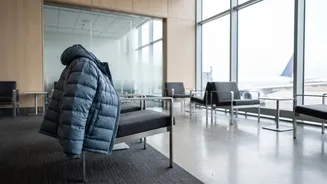
The strategy is simple: if you can't pack it, wear it. Passengers intentionally wear their heaviest and bulkiest items of clothing onto the plane. This typically includes denim jackets, leather coats, hoodies, and heavy boots. By wearing these items, their weight isn't counted as part of the cabin baggage allowance. The logic is that what's on your body is personal clothing, not luggage. Some travellers take it a step further, stuffing the pockets of their jackets with heavy items like power banks, books, cameras, or even toiletries. This effectively turns their coat into a piece of 'wearable luggage', freeing up precious kilograms in their carry-on bag and helping them avoid overweight charges at the gate.
Does It Actually Work?
In most cases, yes. Airlines currently do not have policies that restrict the amount of clothing a passenger can wear, nor do they typically weigh a passenger's jacket. Gate agents are focused on the weight and dimensions of your bag, not your outfit. As long as your cabin bag meets the 7kg requirement, you are generally free to board. Once past the gate and on the aircraft, you can simply take the heavy jacket off and place it in the overhead bin or under your seat. For many, the temporary discomfort of wearing a heavy coat while waiting in a queue is a small price to pay to avoid a hefty excess baggage fee, which can be as high as ₹550-₹600 per kilo on some domestic routes.
The Downsides and Potential Risks
While effective, this strategy is not without its drawbacks. The most obvious is comfort. Wearing multiple layers or a heavy winter coat in a warm airport can be extremely uncomfortable and lead to overheating. Furthermore, it can draw unwanted attention. A passenger who is visibly bulky may appear suspicious to security or airline staff, potentially leading to extra screening or questions. While airlines don't weigh clothes now, there is no guarantee they won't start. Some airlines are already getting stricter, with reports of staff at boarding gates using handheld scales to check bags that look oversized or heavy. If airlines decide to close this loophole, the strategy could become obsolete. For now, it exists in a grey area of airline policy.
The Rise of Specialised Wearable Luggage
Capitalising on this trend, several companies have developed 'wearable luggage'—jackets, vests, and coats designed with numerous large pockets to discreetly carry travel essentials. Brands like Stuffa, Bagket, and VoyageCoat offer garments that can hold anywhere from 5kg to 10kg of items, including laptops, shoes, and changes of clothing. These items are designed to distribute weight more evenly than a standard jacket and often convert into a regular bag once you're past the boarding gate. While they can be a pricey investment, for frequent flyers on budget airlines, the cost can be offset by the savings on baggage fees over just a few trips.
Smarter Packing Is the Best Alternative
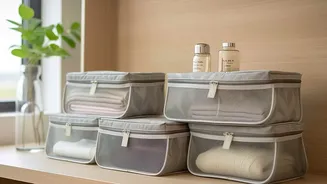
The jacket hack is a reactive solution to a packing problem. The best long-term strategy is to pack smarter from the start. Begin by investing in an ultra-lightweight cabin bag, which can save you a full kilogram before you even start packing. Use packing cubes to compress clothing and maximise space. Prioritise versatile, lightweight clothing items that can be layered. Instead of packing full-sized toiletries, opt for travel-sized containers or solid alternatives like shampoo bars. Finally, make strategic use of your personal item allowance—many airlines permit a small handbag or laptop bag in addition to your main cabin bag, providing extra capacity for your heaviest electronics and documents.