


The Humble Power of Dal
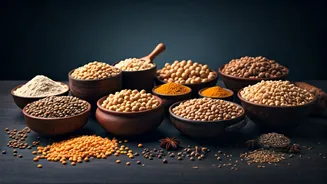
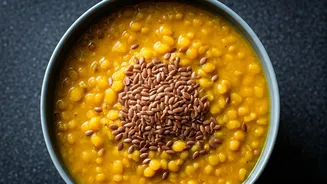
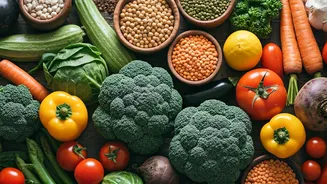
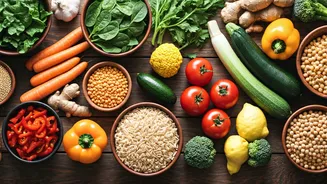
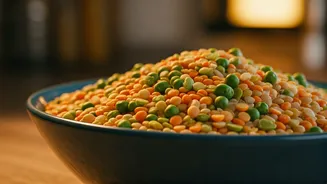
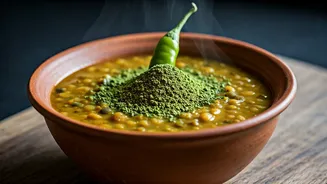
Every Indian region has its own beloved dal, and for good reason. More than just a simple side dish, lentils are a nutritional powerhouse. Packed with plant-based protein, they are essential for muscle repair and growth. They are also an incredible source
of dietary fibre, which aids digestion, helps stabilise blood sugar levels, and keeps you feeling full and satisfied for longer. This combination of protein and fibre is what makes a bowl of dal so comforting and yet so light. From the simple dal tadka of the north to the tangy sambar of the south, this everyday staple is a cornerstone of a balanced, healthy diet that doesn't compromise on taste.
Spices Are More Than Flavour
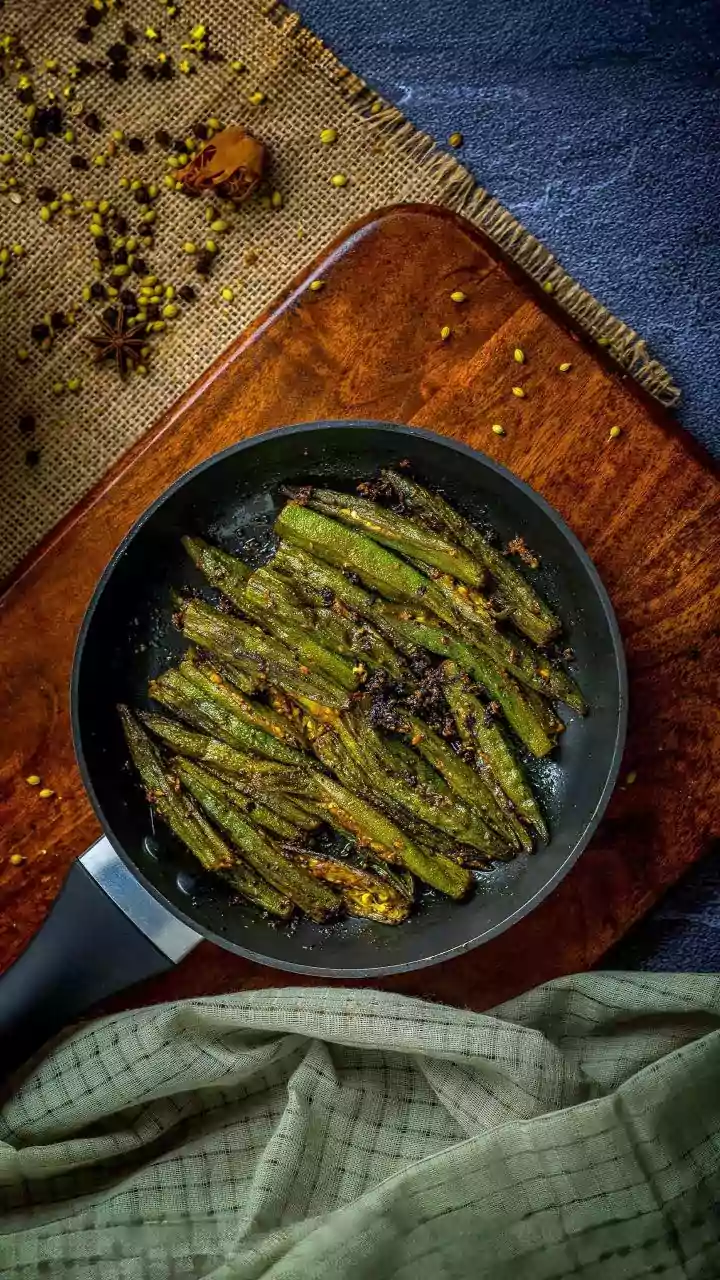
The magic of Indian cooking lies in its complex spice blends, but these ingredients do far more than just tantalise your taste buds. Turmeric, the golden spice in almost every sabzi and dal, contains curcumin, a compound with powerful anti-inflammatory and antioxidant properties. Cumin seeds aid digestion and are a good source of iron. Coriander is known for its ability to help manage cholesterol levels, while fenugreek (methi) can aid in blood sugar control. Even a pinch of asafoetida (hing) is traditionally used to prevent bloating. Our masala dabba is essentially a small pharmacy, with each spice contributing to our overall well-being in subtle but significant ways.
The Genius of the Thali System
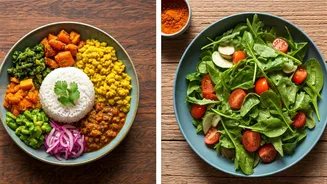
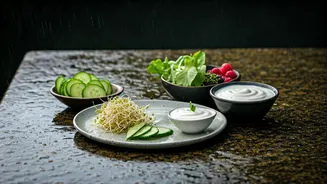
The traditional Indian thali is a masterclass in balanced nutrition. It isn't just a platter of food; it's a carefully constructed meal that ensures you get a mix of all essential nutrients. A typical thali includes a source of carbohydrates (roti or rice), protein (dal or curd), vitamins and minerals (sabzi, salad), and healthy fats (a touch of ghee). This built-in portion control and food group diversity prevents over-reliance on any single macronutrient. It naturally encourages mindful eating, offering a symphony of tastes—sweet, salty, sour, bitter, and spicy—that leads to greater satisfaction and prevents cravings for unhealthy snacks later.
The Wisdom of Fermentation
Think of your favourite South Indian breakfast: fluffy idlis and crisp dosas. These aren't just delicious; they are products of fermentation. The process of fermenting the rice and lentil batter makes the nutrients more bioavailable, meaning your body can absorb them more easily. Fermented foods are also rich in probiotics, the 'good' bacteria that are crucial for a healthy gut. A healthy gut microbiome is linked to improved digestion, a stronger immune system, and even better mental health. So, that comforting plate of idli-sambar is actively working to support your digestive wellness.
Whole Grains and Millets for Sustained Energy
While refined flour has its place, traditional Indian meals have always celebrated a wide variety of whole grains and millets. Whole wheat for rotis, brown rice, and ancient grains like jowar, bajra, and ragi are complex carbohydrates. Unlike simple carbs that cause a quick spike and crash in energy, these grains release energy slowly and steadily. They are rich in fibre, B vitamins, and essential minerals like magnesium and iron. Swapping a plain naan for a bajra roti or white rice for a portion of ragi mudde is a simple way to tap into this ancestral wisdom for better energy levels and overall health.