


A Fragrant Welcome: The Power of Flowers
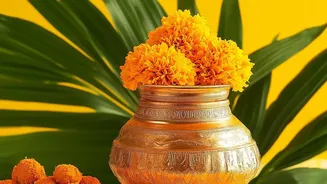
Any Indian festival is incomplete without the scent and sight of fresh flowers, and Navratri is no exception. Home entrances are being adorned with vibrant 'torans' or garlands, traditionally made from marigold flowers and mango leaves, which are considered
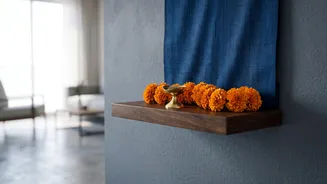
auspicious and are believed to welcome positive energy. Marigolds, with their bright orange and yellow hues, symbolize purity and joy, making them a festive staple. But the trend isn't just about door hangings. Homeowners are getting creative, using flower petals to create stunning floral rangolis, filling brass 'urli' bowls with water and floating blossoms, and crafting handmade garlands to drape around the pooja space. This return to natural decor brings a sensory richness that synthetic decorations simply cannot match.
The Gentle Glow: Diyas Over Electric Lights
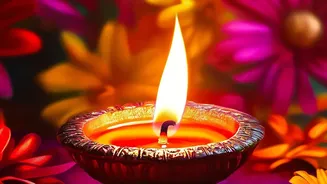
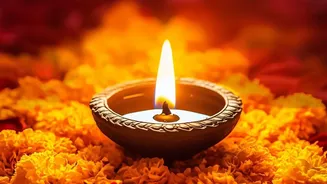
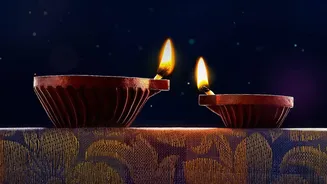
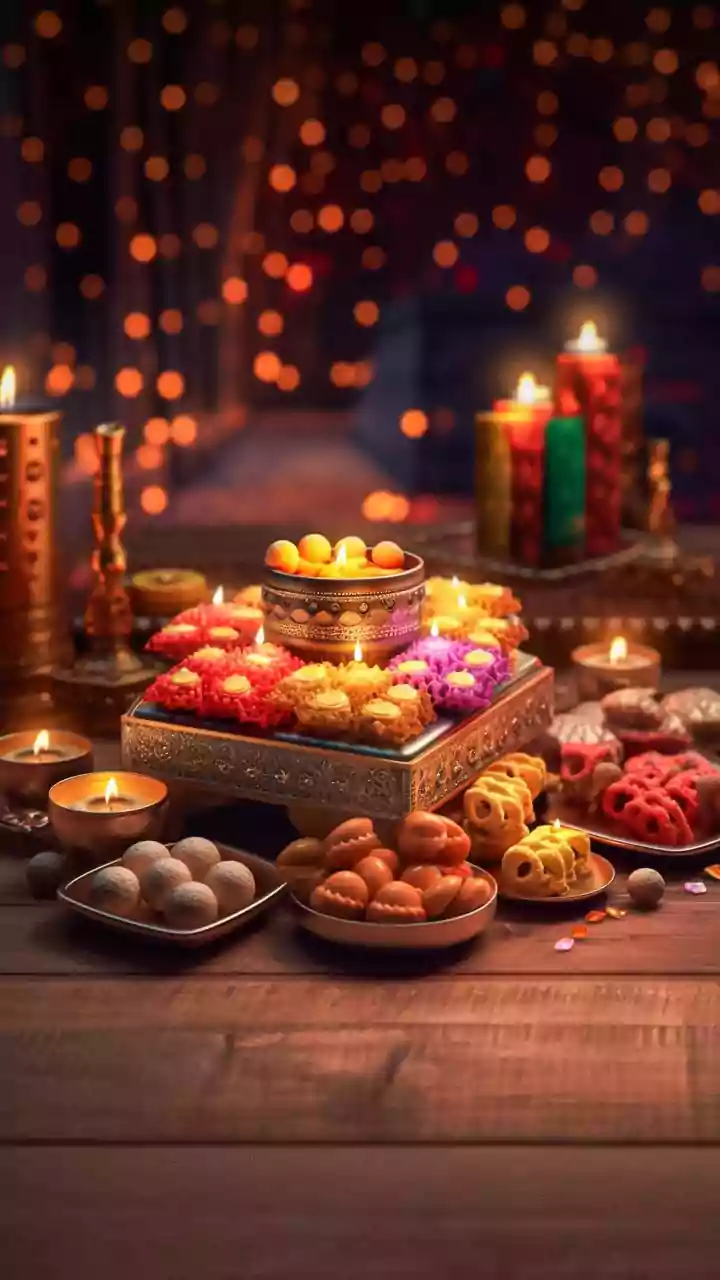
For years, strings of electric fairy lights became the convenient go-to for festive lighting. Now, the humble diya is reclaiming its central role. These small earthen lamps, traditionally filled with oil or ghee, provide a warm, gentle glow that creates a serene and sacred atmosphere. While simple clay diyas are a popular choice for their rustic charm, many are also opting for hand-painted versions to add a touch of personal artistry. This shift is partly driven by a growing desire for sustainability, moving away from plastic and high energy consumption. The act of lighting a diya is a ritual in itself, a quiet moment of reflection that connects the celebration to its spiritual roots far more deeply than flipping a switch.
An Artful Invitation: The Resurgence of Rangoli
At the entrance of many homes, the ancient art of rangoli is experiencing a vibrant revival. More than just a decoration, a rangoli is a symbol of auspiciousness, designed to welcome guests and the divine goddess herself. While stencils and stickers offered a shortcut for a time, many are now rediscovering the joy of creating these intricate patterns by hand. The materials are wonderfully diverse: some use colourful powders, while others opt for rice flour, turmeric, and other ground spices for a more natural palette. Floral rangolis, made entirely from petals, are also gaining popularity for their beauty and eco-friendly nature. These designs often feature traditional motifs like lotuses, peacocks, or the footprints of the goddess, turning the floor into a beautiful canvas of devotion.
Why Tradition Feels New Again
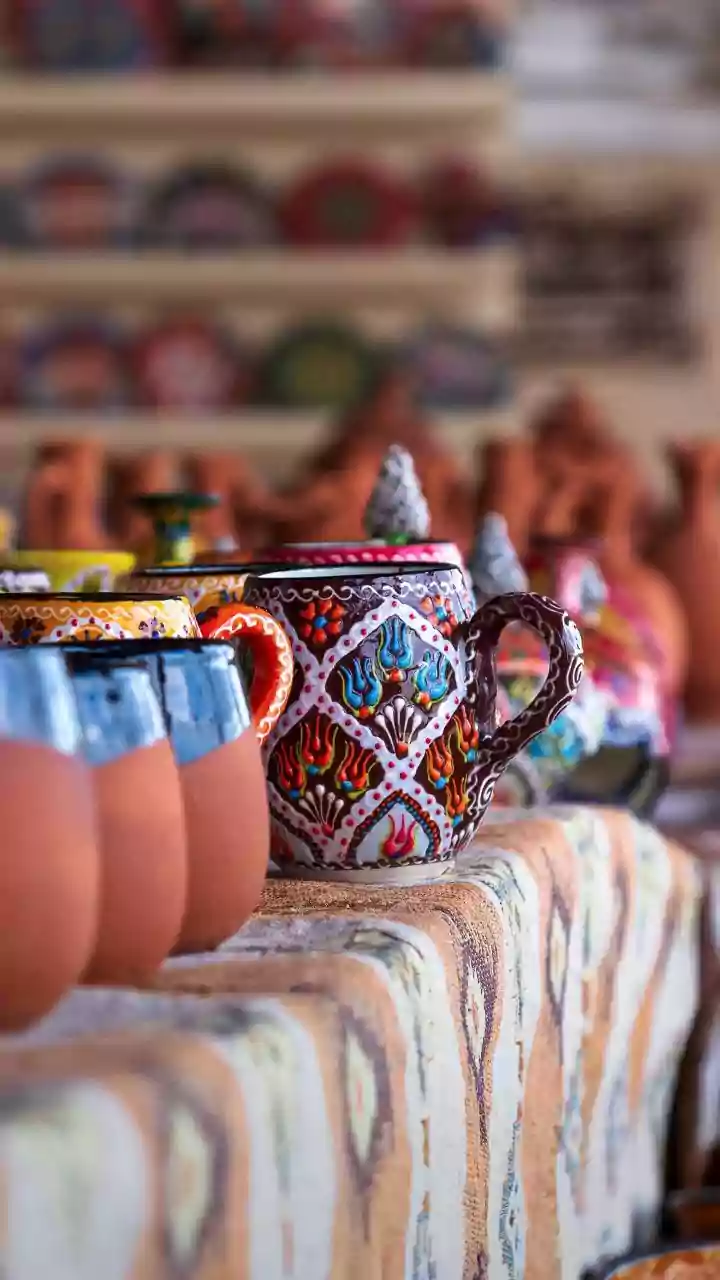
This embrace of traditional decor is more than just nostalgia; it reflects a broader cultural shift. In a world dominated by mass-produced goods, there is a growing appreciation for handcrafted and artisanal items that tell a story. Many are seeking a deeper, more authentic connection to their cultural roots, and festivals provide the perfect opportunity for this expression. The trend is also linked to a rising consciousness about sustainability, with people consciously choosing biodegradable, natural materials over plastic and disposable decor. Furthermore, after spending more time at home in recent years, there is a collective desire to make our living spaces more meaningful and personal, filling them with objects that bring joy and reflect our heritage.
Modern Homes, Timeless Traditions
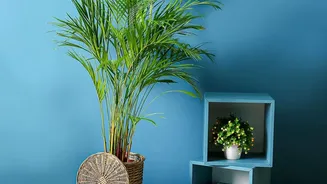
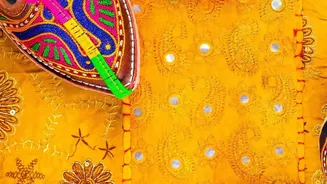
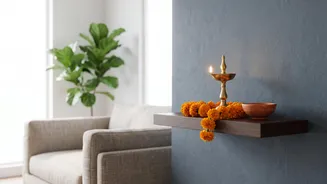
This return to tradition doesn't mean a rejection of modernity. Instead, people are finding innovative ways to blend the old with the new. Traditional brass diyas and urlis are being placed alongside sleek, contemporary furniture. An intricate rangoli might be created at the entrance of a minimalist apartment, creating a stunning point of contrast. Old silk or Banarasi sarees are being repurposed as vibrant backdrops for the mandir or as festive table runners. The goal isn't to recreate a historical look, but to integrate these timeless elements in a way that feels fresh, personal, and perfectly suited to the modern Indian home. It’s about celebrating heritage while creating new traditions for the future.