


Why This Ride Is Legendary
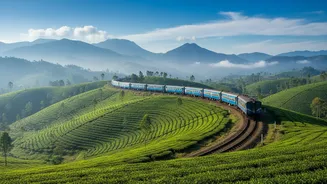
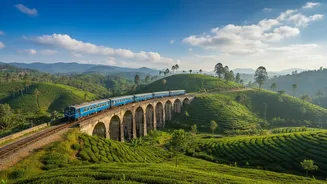
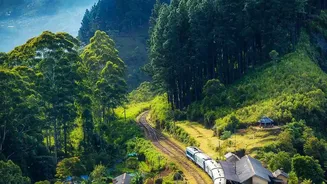
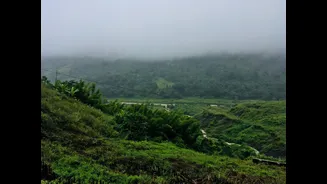
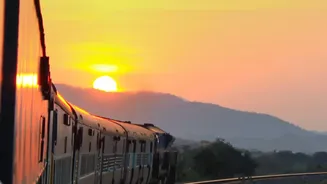
Imagine a vintage-style train snaking its way through Sri Lanka’s lush Hill Country. For roughly seven hours, passengers are treated to a cinematic display of rolling green tea plantations, dense forests, cascading waterfalls, and charming villages. The
route, originally built by the British in the 19th century to transport tea, has become a bucket-list item for global travelers. The journey's visual climax for many is the passage over the Nine Arch Bridge, a stunning piece of colonial-era engineering just before the town of Ella. The slow pace of the train, often with open doors and windows, allows you to fully immerse yourself in the sights, sounds, and fresh mountain air, creating an experience that feels both adventurous and meditative.
A Truly Budget-Friendly Adventure
In an era of rising travel costs, the Kandy to Ella train remains refreshingly affordable. An unreserved third-class ticket can cost as little as 300 Sri Lankan Rupees, which is roughly one U.S. dollar. A second-class ticket is about double that, at around 600 LKR (about $2 USD). Even a first-class reserved seat, when bought directly, is remarkably cheap, often under $10 USD. This makes it an accessible adventure for everyone from backpackers to families. While booking through third-party agents online will be more expensive, it's still a bargain compared to scenic train journeys in other parts of the world. The low cost is a huge part of its appeal, proving that a world-class travel experience doesn't need to come with a hefty price tag.
Choosing Your Class: Comfort vs. Experience
The train offers three main classes, each providing a different experience. First Class features air-conditioned cabins and reserved seating, but the windows are sealed shut, limiting photo opportunities and the open-air feel. Second Class is often considered the sweet spot, with reserved and unreserved options, cushioned seats, fans, and windows that open. Third Class, the most basic and cheapest, has wooden benches and is the preferred mode of travel for locals, offering the most authentic atmosphere. Many seasoned travelers recommend second or third class, as the ability to sit in an open doorway (safely, of course) and feel the breeze is a quintessential part of the journey.
The Challenge: Booking Your Ticket
Here's the catch: securing a ticket, especially a reserved seat, can be tricky. Sri Lanka Railways typically releases tickets only 30 days in advance, and they sell out within minutes for this popular route. Travelers have a few options. You can try your luck on the official railway website, though it can be difficult for foreigners to navigate. Alternatively, you can use a third-party booking site like 12Go Asia, which is more user-friendly but comes with a service fee. The final option is to buy an unreserved ticket at the station on the day of travel. This is the cheapest method and tickets are always available, but it almost guarantees you'll be standing for much of the crowded journey.
Essential Tips for the Journey
To make the most of your trip, a little planning goes a long way. The journey from Kandy to Ella typically takes around seven hours, but delays are common. For the best views, try to sit on the right side of the train when leaving Kandy; the scenery shifts, and some suggest switching to the left side after the Nanu Oya stop if possible. Morning trains offer beautiful light and are often less crowded. Vendors will hop on and off at stations selling delicious local snacks like samosas and spicy corn, which are part of the fun. If the full seven-hour ride sounds too long, consider breaking it up by stopping for a day or two in the scenic towns of Nuwara Eliya or Haputale along the way.