







July's Strong Numbers
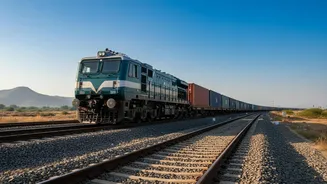
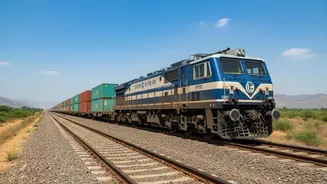
In July 2026, Indian Railways loaded 141.3 million tonnes of freight, a notable 9% increase compared to the 129.7 million tonnes handled in July of the previous year. This isn't just a minor uptick; it represents a significant acceleration in the movement
of essential goods across the country. The growth translated directly into higher earnings, with freight revenue increasing by 8%, or ₹1,137 crore, over the same month last year. Such figures are closely watched by economists as they provide a real-time snapshot of industrial demand and production.
The Engine Room: Coal and Iron Ore
The driving force behind this impressive growth is the heightened demand from India's core sectors. The transport of coal, which is crucial for energy production, saw a substantial rise of 11.5%. In fact, the railways ramped up domestic coal supplies to thermal power plants by 20% in July to meet the increased demand. Even more striking was the surge in iron ore loading, which rocketed up by 22.2% year-on-year. This points to robust activity in the steel and infrastructure sectors, suggesting a healthy pace of construction and manufacturing nationwide.
Beyond the Core Sectors
While coal and iron ore are the heavyweights, the growth was broad-based, indicating a well-rounded economic expansion. The loading of fertilizers grew by 12%, a positive sign for the agricultural sector. The transport of food grains also increased by 11.5%. This diverse growth, which includes a 12.1% rise in other miscellaneous goods, shows that the demand is not confined to just one or two industries. From farming inputs to finished industrial products, more goods are moving on India's rail network, reflecting wider economic confidence and activity.
The Story of Capacity Utilisation
The headline of 'rail-capacity use' refers to how efficiently the existing railway network is being used. For years, Indian Railways has grappled with congested lines where freight trains often compete with passenger services, slowing down speeds and reliability. The significant increase in freight volume showcases the network's ability to handle more cargo, a testament to ongoing efforts to improve operational efficiency. This improved utilisation is crucial. By moving more goods on trains, the system reduces logistics costs for businesses, eases pressure on highways, and builds a stronger case for continued investment in dedicated freight corridors that will further separate freight and passenger traffic.
A Barometer of Economic Health
Ultimately, the movement of bulk commodities like coal, steel, cement, and food grains is a powerful barometer for the economy. When factories produce more, power plants consume more fuel, and construction projects demand more materials, it all shows up in the railway's freight figures. The strong performance in July suggests that despite any global headwinds, India's domestic industrial and agricultural sectors are maintaining a healthy momentum. This data provides a more grounded look at the economy than many other indicators because it reflects the physical movement of the goods that underpin growth.