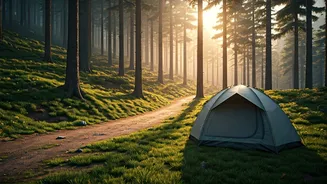



The Soul of Low-Footprint Travel
Before lacing up your boots, it’s important to understand what “low footprint” means in a place as sacred and ecologically fragile as Tawang. It’s more than just not littering. It's a philosophy of travel that prioritizes the local community and environment.
This means hiring local Monpa guides who know the terrain intimately, staying in family-run homestays over large hotels, and buying local produce. It involves carrying out all non-biodegradable waste you carry in. This approach not only minimises your environmental impact but also ensures your tourist rupees directly support the people who call this stunning landscape home, fostering a more meaningful and authentic connection to the place.
The High-Altitude Challenge: Gorichen Base Camp
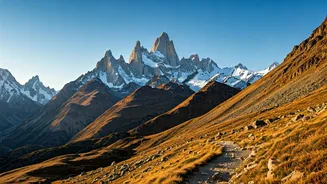
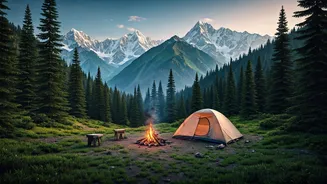
For the seasoned trekker seeking solitude and a serious challenge, the trek to Gorichen Base Camp is an epic undertaking. Mount Gorichen, the highest peak in Arunachal Pradesh, is considered sacred by the Monpa tribe. The journey to its base is a demanding multi-week expedition through dense forests, across roaring rivers, and over high-altitude passes. You’ll traverse remote landscapes dotted with yak herders’ camps and tiny villages untouched by mass tourism. Its sheer difficulty naturally limits footfall, preserving its raw, untamed beauty. This trek is a true immersion into the wild heart of the Eastern Himalayas, rewarding the determined with unparalleled views and a profound sense of accomplishment. * **Duration:** Approx. 15-16 days * **Difficulty:** Strenuous * **Best Season:** September-October, April-May
The Historic Path: The Bailey Trail
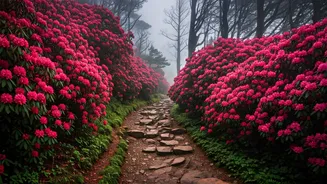
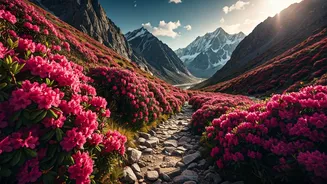
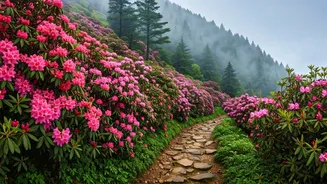
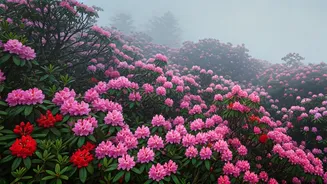
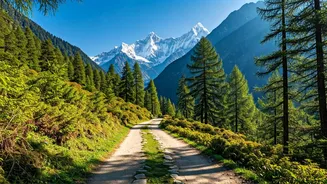
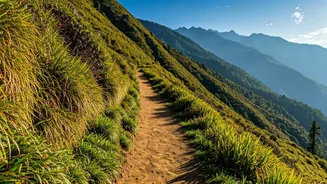
Walk through history on the Bailey Trail, a route charted by British officers in the early 20th century. This trek offers a sublime blend of culture, history, and natural splendour. Starting near Dirang, the trail ascends through pristine forests of pine and rhododendron, crosses the stunning 4,550m Sela Pass, and winds down into the Tawang valley. Along the way, you pass through traditional Monpa villages, offering a chance to experience their unique culture and warm hospitality firsthand. Opting for homestays along this route is the key to a low-impact journey. The trail provides breathtaking views of snow-capped peaks, including Gorichen and Kangto, making it a photographer’s dream and a perfect trek for those who want a challenge combined with deep cultural immersion. * **Duration:** Approx. 10-12 days * **Difficulty:** Moderate to Difficult * **Best Season:** October, November, April
The Cultural Immersion: Tawang Gompa Circuit
If you’re short on time or prefer a less strenuous experience, the Tawang Gompa Circuit is an ideal choice. This isn’t a single, fixed trail but a series of day hikes or a multi-day walk connecting the main Tawang Monastery with the many smaller gompas (monasteries) and ani gompas (nunneries) scattered throughout the valley. A popular route involves hiking from Tawang town to the Gyangong Ani Gompa, perched on a beautiful hilltop. You can extend this by walking to other hidden gems like the Brama Dung Chung Ani Gompa. This trek allows for deep cultural engagement, with plenty of opportunities to interact with monks and nuns. By staying in a homestay in one of the nearby villages, you can experience daily life in Tawang up close, making it the perfect low-impact cultural deep-dive. * **Duration:** 2-4 days * **Difficulty:** Easy to Moderate * **Best Season:** March-June, September-November
Essential Tawang Trek Prep
Planning a trek in Tawang requires some essential groundwork. First, all domestic tourists require an Inner Line Permit (ILP), which can be obtained online or from government offices in major cities. Foreign nationals need a Protected Area Permit (PAP). Second, acclimatisation is crucial. Spend at least two days in Tawang town (altitude approx. 3,048m) before embarking on any high-altitude trek to allow your body to adjust. Pack in layers, as weather can change rapidly. Always carry a basic first-aid kit, water purifier, and a power bank. Most importantly, hire a registered local guide. Their expertise is invaluable for navigation, safety, and providing insights into the local culture you wouldn’t get otherwise.