


Beyond the Barbell: What is Functional Strength?
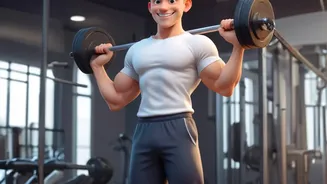
For many, strength training conjures images of bodybuilders isolating muscles with bicep curls or powerlifters hoisting heavy barbells. While those are valid forms of exercise, functional strength training operates on a different, more practical principle.
It’s a style of exercise focused on improving how your body moves and performs in real-world scenarios. Instead of targeting one muscle at a time, functional exercises train multiple muscle groups and joints to work together in harmony, just as they do in your daily life. The goal isn't just to be strong in the gym, but to possess strength that is usable in everyday situations, from pushing a heavy door to reaching for an item on a high shelf. This approach builds a body that is resilient, coordinated, and better prepared for the physical demands of life, ultimately reducing the risk of injury from unexpected movements.
The Blueprint of Daily Movement
Our daily activities are built on a foundation of fundamental movement patterns. Experts have identified several core movements that we perform constantly, often without thinking about them. These include the squat (sitting and standing), the hinge (bending over to pick something up), the push (moving an object away from you), the pull (bringing an object closer), and the loaded carry (carrying items like shopping bags). Some models also include rotation and single-leg movements like lunges. By neglecting any of these patterns in your training, you create imbalances that can lead to poor posture, pain, or injury over time. A well-rounded functional routine ensures you are training these essential patterns, creating a balanced and capable body that moves efficiently and safely.
Mastering the Push and Pull
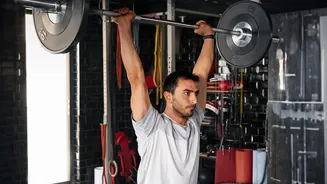
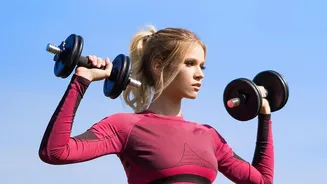
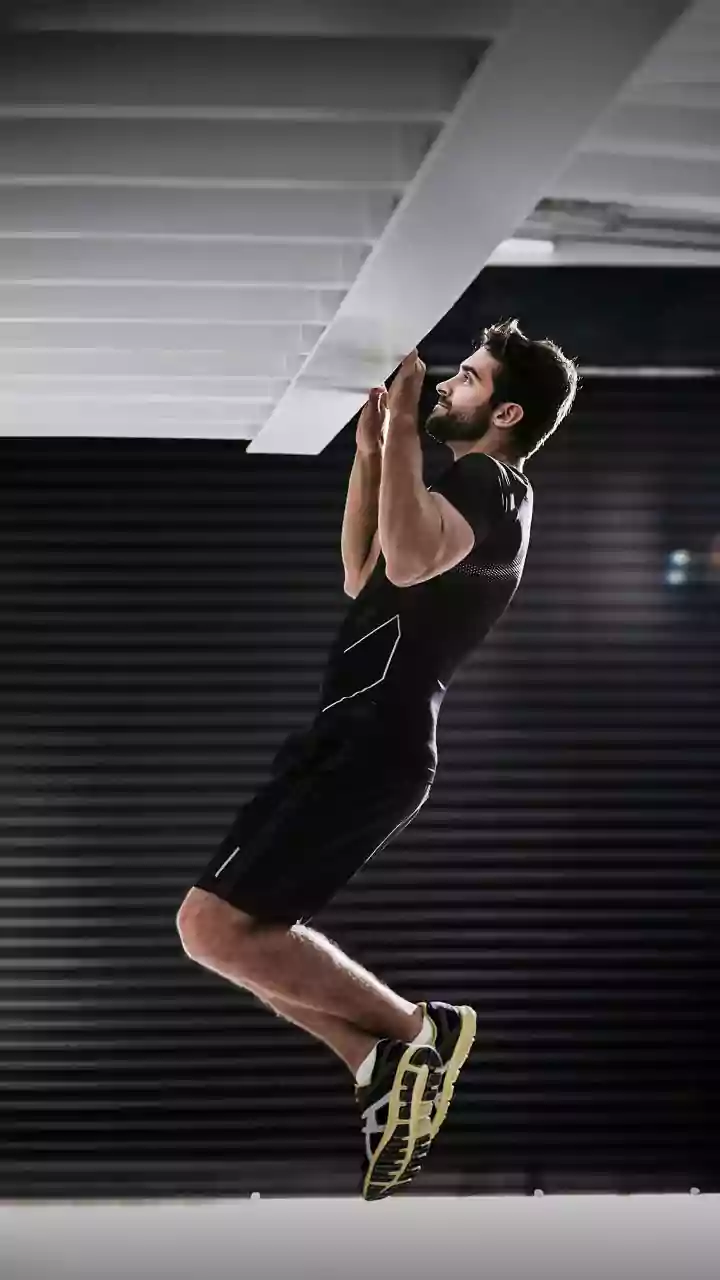
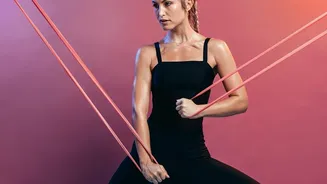
The push and pull are complementary movements that govern your upper body's interaction with the world. You push a shopping cart, push yourself up from the floor, and push a door open. You pull open a stubborn drawer, start a lawnmower, or pull a child into a hug. Training these patterns helps build a stable, pain-free upper body and good posture. To train the push, exercises like push-ups (on your toes, knees, or against a wall) and overhead presses with dumbbells are excellent. For the pull, movements like dumbbell rows, where you pull a weight toward your chest while hinged over, and resistance band pull-aparts are highly effective. The key is to focus on controlled movements that engage your back, chest, shoulders, and core.
The Foundation: Squatting and Hinging
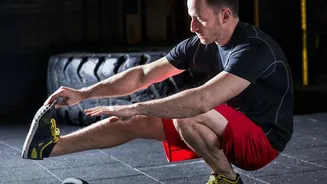
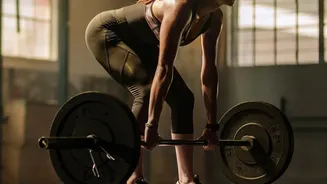
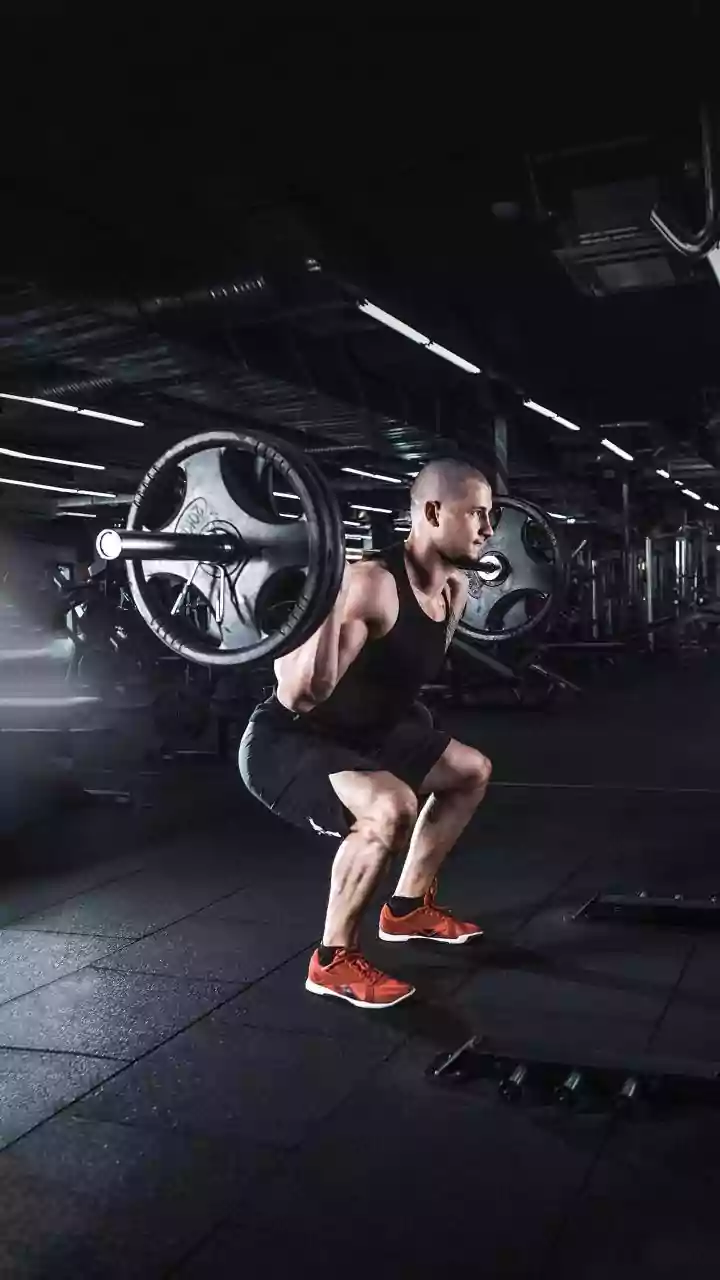
The squat and the hinge are arguably the most crucial lower-body movements for lifelong independence. You squat every time you sit in a chair or get up from the floor. The hinge is the proper way to bend and lift, protecting your spine from strain when you pick up a box or a child. Many back injuries occur because people bend with their spine instead of hinging at their hips. To practice a squat, simply sit down and stand up from a chair without using your hands, focusing on keeping your chest up and driving through your heels. You can progress to bodyweight squats or goblet squats, holding a single dumbbell at your chest. For the hinge, a kettlebell or dumbbell deadlift is the gold standard, teaching you to bend at the hips while maintaining a flat back.
Carrying Loads and Moving with Purpose
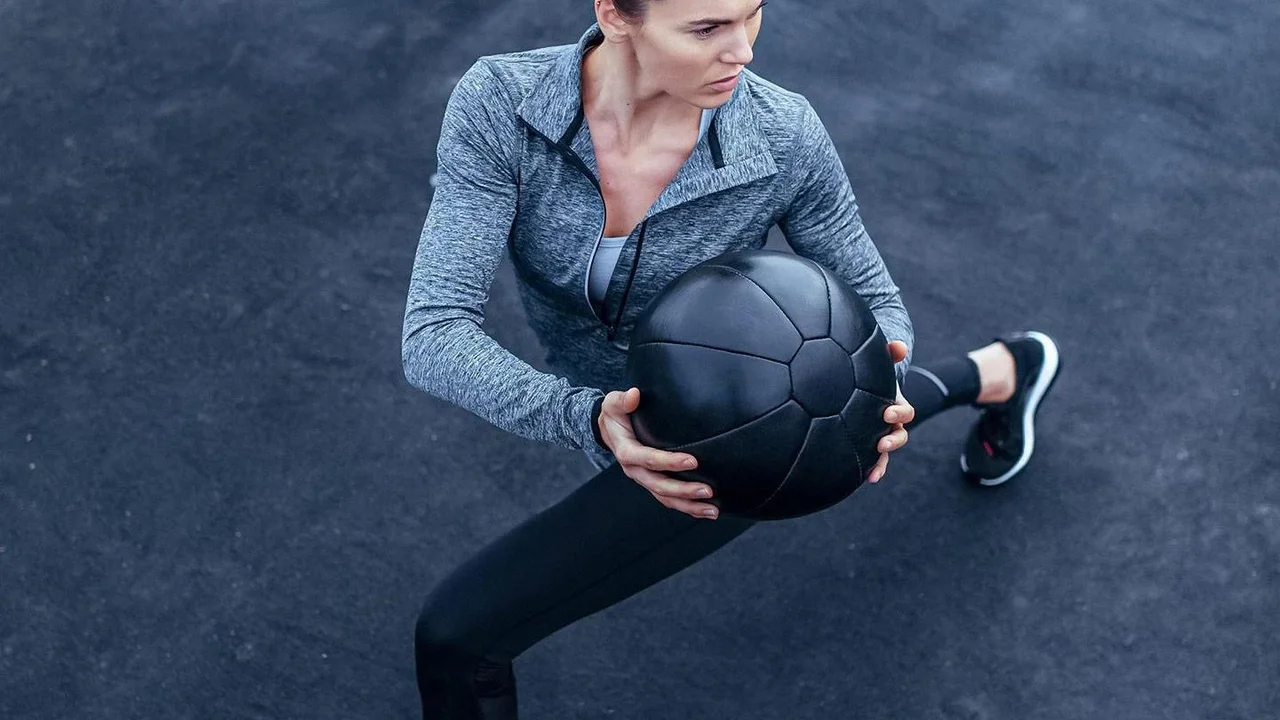
How useful is gym strength if it doesn't help you carry your groceries from the car to the kitchen? The loaded carry directly addresses this. The 'farmer's carry,' which involves walking while holding weights (like dumbbells or kettlebells) in each hand, is a simple yet powerful exercise. It builds tremendous grip strength, core stability, and endurance. Lunges are another critical pattern, improving single-leg strength and balance, which is essential for walking, climbing stairs, and many sports. You can perform them by stepping forward, backward, or walking, with or without weights. Incorporating these dynamic movements ensures your strength is as practical outside the gym as it is inside.
Building Your Functional Workout
Integrating functional training into your routine doesn't require a complete overhaul. You can start by dedicating two to three days a week to these movements. A simple approach is to pick one exercise from each of the core patterns: a squat variation, a hinge, a push, a pull, and a carry. Aim for 3 sets of 8-12 repetitions for the strength moves, and for carries, walk for a set distance or time. The beauty of functional fitness is its scalability; you can start with just your body weight and gradually add resistance with bands or dumbbells as you get stronger. The focus should always be on the quality of the movement over the amount of weight lifted. This approach doesn't just build a stronger body; it builds a more capable and confident one.