


The Buttermilk Renaissance
For generations, buttermilk—known as chaas, moru, majjige, or taak depending on the region—was the humble, everyday cooler. Churned from yogurt and seasoned simply, it was valued for its ability to hydrate and aid digestion, especially during India’s
sweltering summers. For years, it was overshadowed by sugary sodas and packaged juices. Now, it’s making a significant comeback. This resurgence is driven by a renewed focus on gut health; buttermilk is a natural probiotic, helping to maintain a healthy digestive system. Today, it’s moving from the home kitchen into trendy cafes and supermarket aisles, often available in packaged forms with new flavours. Its revival signifies a return to functional, traditional foods that nourish the body from within, proving that sometimes the simplest solutions are the most effective.
Following the Farmer’s Calendar
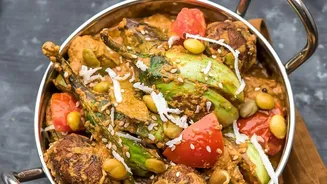
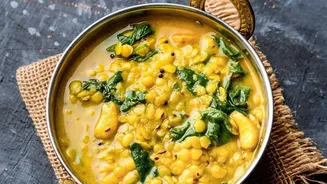
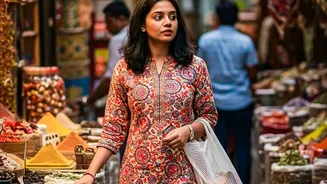
Alongside the buttermilk revival is a growing appreciation for seasonal produce. For decades, modern supermarkets offered the convenience of having every vegetable available year-round. However, this came at a cost to flavour, nutrition, and the environment. There is a growing awareness that produce tastes best and is most nutritious when picked in its natural season. Science now confirms what traditional food wisdom always knew: eating a variety of foods as the seasons change introduces different nutrients and fibres into our diet, which is crucial for a diverse and healthy gut microbiome. Choosing seasonal produce also means supporting local farmers and reducing the environmental footprint associated with cold storage and long-distance transportation. This shift encourages consumers to reconnect with their local food cycles, whether that means eating cooling gourds in summer or nutrient-dense leafy greens like sarson and methi in winter.
The ‘Why’ Behind the Shift
The return of buttermilk and seasonal eating are not isolated trends; they are symptoms of a larger, more profound shift in India's food culture. A major catalyst has been a collective health awakening, amplified in recent years, which has put immunity and wellness at the forefront. Consumers are actively seeking out natural, nutrient-dense foods and are wary of highly processed products. Another powerful driver is sustainability. People are becoming more conscious of where their food comes from and the ecological impact of their choices, leading to a greater emphasis on local sourcing. Finally, there's a cultural yearning for authenticity. In a fast-paced world, there is a growing desire to reconnect with tradition and the wisdom of our ancestors, moving away from convenience and back towards wholesome, mindful eating.
From Kitchens to Restaurants
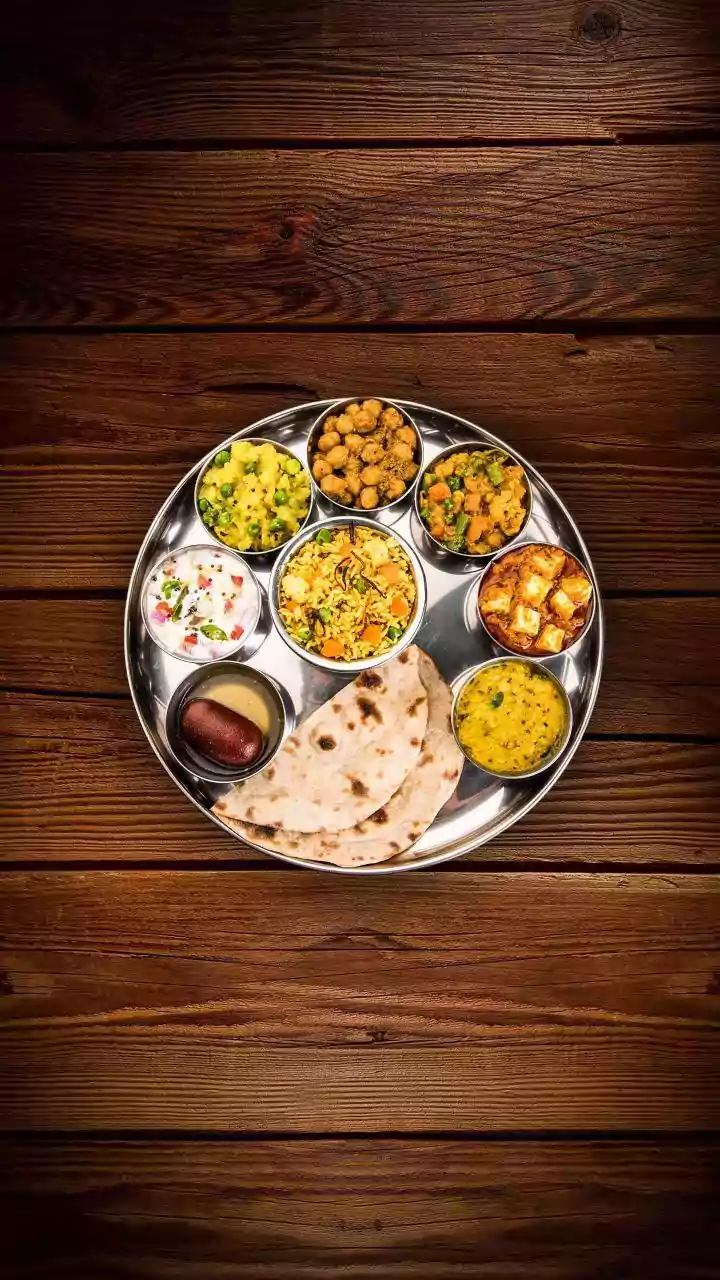
This back-to-basics movement is visible everywhere. In home kitchens, families are swapping refined oils for traditional wood-pressed (kachi ghani) versions and replacing processed snacks with healthier alternatives like roasted makhana. Ancient grains like millets (bajra, ragi, jowar) are no longer just rural staples but are being incorporated into everything from dosa batters to breakfast cereals in urban homes. The country's top chefs are also championing this change. Many high-end restaurants are now designing their menus around hyper-local ingredients and forgotten recipes, celebrating India's vast agricultural biodiversity. This culinary trend validates the idea that food can be both modern and deeply rooted in tradition, inspiring a new generation to find excitement in the foods that have nourished the subcontinent for centuries.