


The Allure of the Cosmos
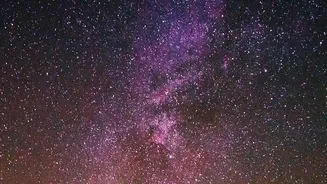
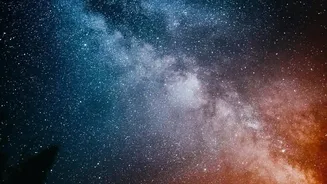
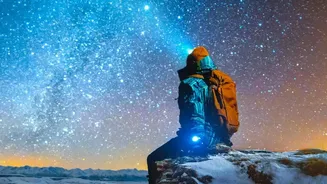
For nature lovers, the appeal of astrotourism is multi-faceted. It's a retreat from the noise and light pollution that blanket modern life, offering a profound sense of peace and solitude. Stargazing encourages a slower, more mindful form of travel where
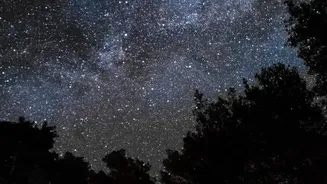
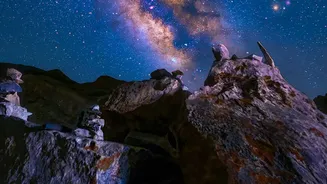
the main event is simply looking up. This activity taps into a primal sense of wonder, connecting us not just to the landscape but to the vast universe beyond. It's an experience that complements other nature-based activities like trekking and camping, turning a day trip into a 24-hour adventure. The post-pandemic desire for less crowded, open-air experiences has further fuelled this trend, with travellers seeking meaningful escapes that offer both discovery and serenity. The appeal is simple: in a world of constant distraction, the night sky offers a spectacular, silent show.
Hanle, Ladakh: India's Dark Sky Sanctuary
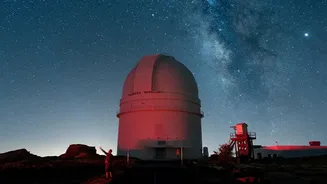
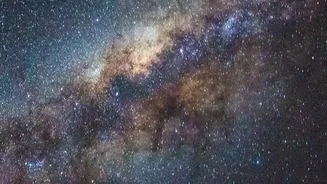
At an altitude of 4,500 metres, the remote village of Hanle in Ladakh is an astronomer's dream. In 2022, it was officially designated as India's first Dark Sky Reserve, a protected area where light pollution is actively minimised to preserve the pristine quality of the night sky. For nature lovers, Hanle offers an unparalleled experience. It is located within the Changthang Wildlife Sanctuary, a cold desert landscape that is starkly beautiful. With over 300 clear nights a year, the viewing conditions are exceptional, allowing for naked-eye sightings of the Milky Way in breathtaking detail. The establishment of the reserve also champions sustainable tourism, training locals as astronomy guides and ensuring that the economic benefits support the community while protecting the fragile environment.
Spiti Valley, Himachal Pradesh: A High-Altitude Desert
Often called a 'cold desert mountain valley', Spiti is one of the premier stargazing locations in Asia. Its high altitude, dry air, and near-zero pollution create a high-definition celestial viewing experience that is hard to match. For nature lovers, Spiti’s appeal lies in its raw, otherworldly terrain. Villages like Kibber, Langza, and Komic are not just stargazing spots but gateways to incredible Himalayan treks and ancient monasteries. At night, the sky transforms into a canvas so clear that the Milky Way can be bright enough to cast a faint shadow. Combining a day of exploring fossil-rich lands and dramatic gorges with a night under a canopy of countless stars makes a trip to Spiti an unforgettable adventure for anyone attuned to the natural world.
Coorg, Karnataka: Stargazing in the Western Ghats
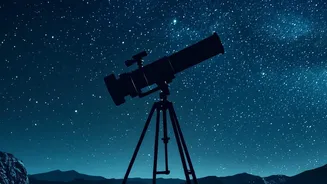
Proving that you don't need to be in a desert or the high Himalayas to see the stars, Coorg offers a lush, green alternative. Nestled in the Western Ghats, this popular hill station boasts surprisingly clear skies, especially from October to March when the humidity drops after the monsoon. The region's coffee and spice plantations provide a fragrant and serene backdrop for a night of astronomy. Many eco-friendly homestays and resorts have open spaces perfect for setting up a telescope or simply laying back and watching the constellations emerge. For nature lovers exploring Southern India, Coorg provides a unique opportunity to combine wildlife spotting and plantation tours by day with cosmic exploration by night.
Rann of Kutch, Gujarat: Stars Over a Salt Desert
The Great Rann of Kutch offers one of the most surreal stargazing backdrops in India. This vast expanse of white salt desert creates a flat, endless horizon, providing an uninterrupted 360-degree view of the night sky. During the Rann Utsav festival, and throughout the winter months, the dry, clear air makes for excellent viewing conditions. Lying on the cool salt flats and watching meteor showers or the arc of the Milky Way is a profound experience. The silence of the desert amplifies the grandeur of the cosmos. For nature lovers, it's a unique ecosystem where the stark, minimalist landscape on the ground allows the maximalist beauty of the sky to take centre stage.