




Lingmala Waterfall: The Most Famous Cascade
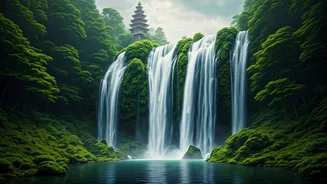
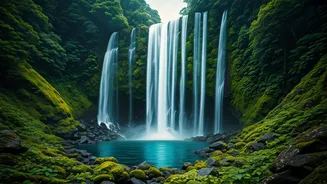
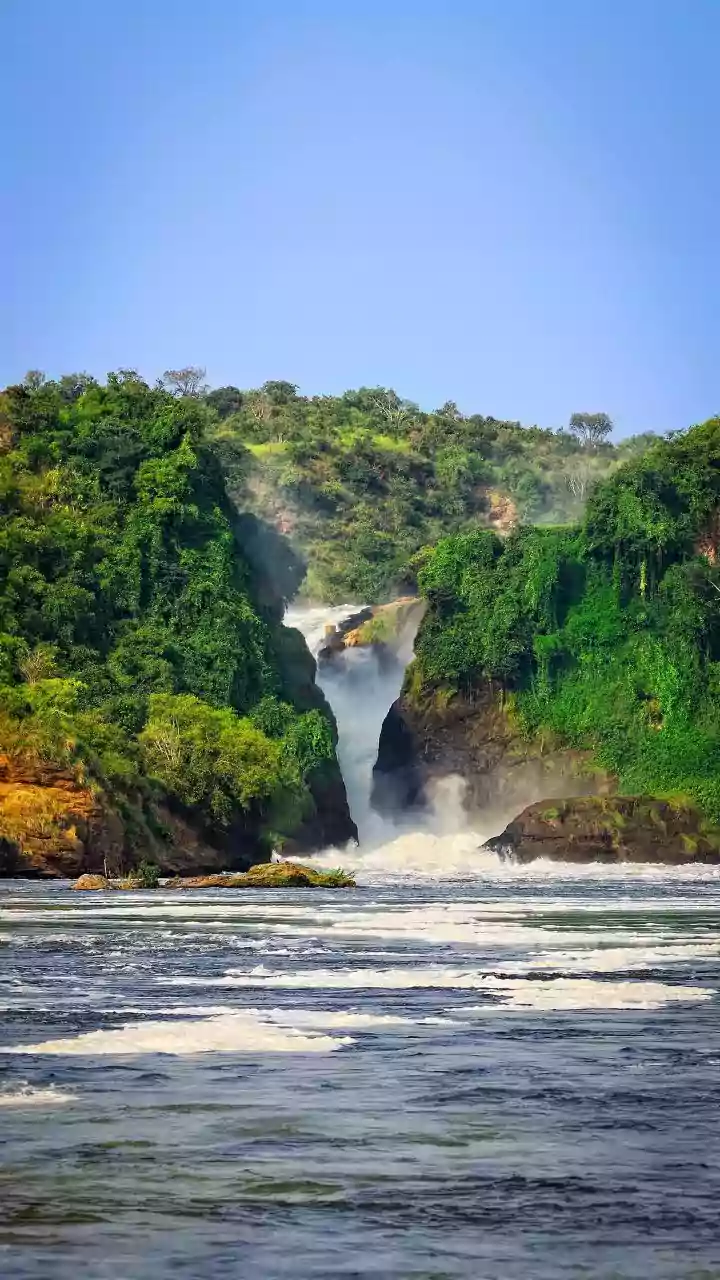
Arguably the most iconic waterfall in Mahabaleshwar, Lingmala is a spectacular sight during the monsoon. Formed by the Venna River, it features two distinct tiers: a smaller, accessible mini-fall perfect for a quick splash, and the main fall, which plunges
dramatically from a height of about 500 feet. A well-maintained path and a series of steps lead to viewpoints offering breathtaking panoramas of the main cascade. The trek through the lush forest, filled with the sound of roaring water, is an experience in itself. Located about 6 km from the Mahabaleshwar bus stand, it's easily accessible and a must-visit for anyone chasing the monsoon's magic. The best time to visit is between July and October when the falls are at their most powerful.
Dhobi Waterfall: A Serene Picnic Spot
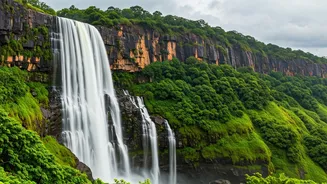
Tucked away just 3 km from the main town, Dhobi Waterfall is a charming cascade that offers a more tranquil experience. This waterfall is a popular spot for families and those looking for a peaceful picnic surrounded by nature. During the monsoon, water flows down a series of rocky cliffs into the Koyna River, creating a picturesque scene. While not as large as Lingmala, its accessibility and serene atmosphere make it a favourite. The name is traditionally linked to the local washermen (dhobis) who once used the stream. The best time to witness its beauty is during the monsoon months, from June to September, when the flow is at its peak.
Chinaman's Waterfall: A Dramatic Double Drop
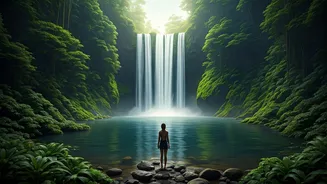
Named because the gardens near the fall were once tended to by Chinese settlers, Chinaman's Waterfall is another must-see destination. Located about 2.5 km from the Mahabaleshwar bus stand, it's known for its unique formation where two separate streams merge and plunge together from a height of 500 feet into the valley below. This creates a powerful and visually stunning display, especially during the rainy season. The surrounding area is lush and green, making it an excellent spot for photography and enjoying the raw beauty of the Western Ghats. Some visitors also enjoy taking a safe bath in the plunge pool formed at the base.
Vajrai Waterfall: India's Towering Giant
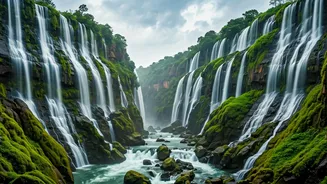
For those willing to venture a bit further, Vajrai Waterfall, located near the village of Bhambavli in the Satara district, is an awe-inspiring sight. Often cited as one of India's tallest waterfalls, this three-tiered cascade drops from a staggering height of around 853 feet (260 meters). Originating from the Urmodi River, the falls are a powerful spectacle, particularly from July to September. The journey to the falls requires a trek, making it an adventure for the more intrepid traveller. Due to its immense power and deep plunge pools, swimming is prohibited, but the viewpoints offer a humbling perspective of nature's grandeur.
Tips for a Safe and Memorable Monsoon Visit
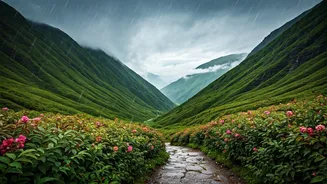
Visiting Mahabaleshwar during the monsoon is a magical experience, but it requires some planning. The best time to see the waterfalls in their full glory is from July to October. However, this is also when the region receives heavy rainfall, which can lead to slippery paths and reduced visibility. Always wear sturdy, non-slip footwear, and be prepared for rain with a good jacket or umbrella. Some treks, especially to more remote falls like Vajrai, can be challenging and may involve dealing with leeches, so carry salt or a repellent. Many viewpoints can be obscured by fog, especially in the afternoon, so plan your visits for the morning for a better chance of clear views. Always adhere to safety barriers and local advisories, as water currents can be deceptively strong. Despite the challenges, the lush landscapes and thundering cascades make a monsoon trip to Mahabaleshwar an unforgettable adventure.