




The Viral Feast vs. The Local Menu
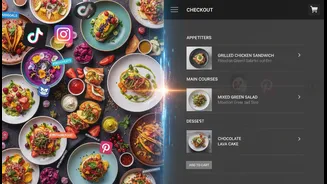
The Indian internet is a culinary wonderland. From cinematic street food preparations to experimental fusion dishes like masala tacos and 'Swicy' (sweet and spicy) flavour bombs, social media feeds are brimming with foods designed to be seen. This 'camera
eats first' culture means trends can spread globally in hours, creating instant, massive demand for dishes that are visually shocking or aesthetically pleasing. However, this digital buffet often creates a frustrating gap between what consumers see online and what they can actually order. While 84% of Indian diners use social media to find new restaurants, their local eateries often struggle to offer the exact trendy items they’ve just seen. This disconnect between digital desire and physical availability is the social-to-menu gap.
Why Traditional Restaurants Can't Keep Up
For a traditional restaurant, chasing viral trends is a high-risk game. The operational hurdles are significant. Changing a menu requires reprinting, training kitchen staff, and sourcing potentially niche ingredients that may not have a stable supply chain. Furthermore, the investment is considerable, from developing the recipe to the marketing required to announce it. There's also the constant risk that by the time a restaurant perfects a viral dish, the trend has already died down, leaving them with wasted inventory and effort. High commission fees from delivery aggregators, which can be as high as 30%, already squeeze margins, making it difficult for many establishments to justify the expense of constant innovation. As a result, many restaurants focus on their core offerings, leaving the door open for more agile players.
The Rise of Agile Food Models
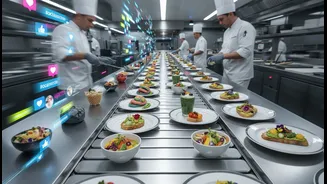
Into this gap have stepped cloud kitchens and Direct-to-Consumer (D2C) brands. Often called ghost kitchens, these delivery-only operations are built for speed and adaptability. Without the overhead of a dining room, they can operate from lower-cost locations and run multiple virtual brands from a single kitchen. This model allows them to test and launch new concepts—or a specific, trending dish—with minimal risk. If a 'loaded Maggi' brand takes off, they can scale it. If it fails, they can shut it down overnight with little loss. This agility allows them to respond to data and social media trends in near real-time, launching a product to capture peak demand in a way traditional restaurants simply cannot.
Packaged Goods Seize the Moment
The opportunity isn't limited to kitchens; the packaged food industry is also innovating rapidly. Large FMCG companies and nimble startups are translating viral flavour profiles into shelf-stable products. If Korean spicy noodles are trending, expect to see Korean-spice-flavoured chips and ready-to-cook sauces hit the market. The renewed interest in traditional Indian ingredients like millets, driven by health trends and government initiatives, has led to a wave of new packaged snacks, from ragi crisps to jowar puffs. These companies leverage social media for discovery, knowing that over 60% of shoppers find new food products outside of traditional stores. They can capture the essence of a trend—a flavour, an ingredient, a health benefit—and deliver it to the mass market through convenient, packaged formats.
A New Playbook for Food Innovation
The social-to-menu gap is fundamentally changing how the food industry in India innovates. The future belongs not just to chefs with a singular vision, but to brands that are data-driven and consumer-responsive. Success now depends on the ability to monitor digital trends, quickly validate concepts, and launch products through flexible models like cloud kitchens or D2C platforms. This new playbook treats food trends less like slow-burning culinary movements and more like rapid-response content creation. For consumers, it means more variety and the thrill of tasting a viral trend. For the industry, it represents a permanent shift toward a more dynamic, decentralized, and digitally integrated ecosystem.