




Why Humidity Creates a Health Hazard
The arrival of humid, rainy seasons in India is a welcome relief from the summer heat, but it also creates the perfect storm for water contamination. The combination of high moisture and warmer temperatures provides an ideal breeding ground for bacteria,
viruses, and other pathogens. During heavy rains, overflowing drains and sewage systems can mix with and contaminate groundwater and municipal water supplies. This significantly increases the risk of waterborne diseases like cholera, typhoid, jaundice (Hepatitis A), gastroenteritis, and dysentery, which see a sharp spike during this period. These illnesses are primarily transmitted by consuming contaminated water or food that has been washed with it, making water safety a frontline defence for your family's health.
Choosing Your Purification Method
Simply trusting the tap is not enough, especially during humid months. Fortunately, several effective methods for household water treatment are accessible. Boiling remains one of the simplest and most effective ways to kill most bacteria, viruses, and parasites. A rolling boil for at least one minute is typically sufficient. For many urban households, electric water purifiers are a convenient and reliable option. Reverse Osmosis (RO) systems are excellent at removing not just microorganisms but also dissolved solids and heavy metals. Ultraviolet (UV) purifiers use UV light to kill germs effectively, while Ultrafiltration (UF) systems use physical membranes to block out larger particles and pathogens. For those without electricity, gravity-based filters with ceramic candles can also be an effective, low-cost solution.
The Link Between Your Sabzi and Your Water
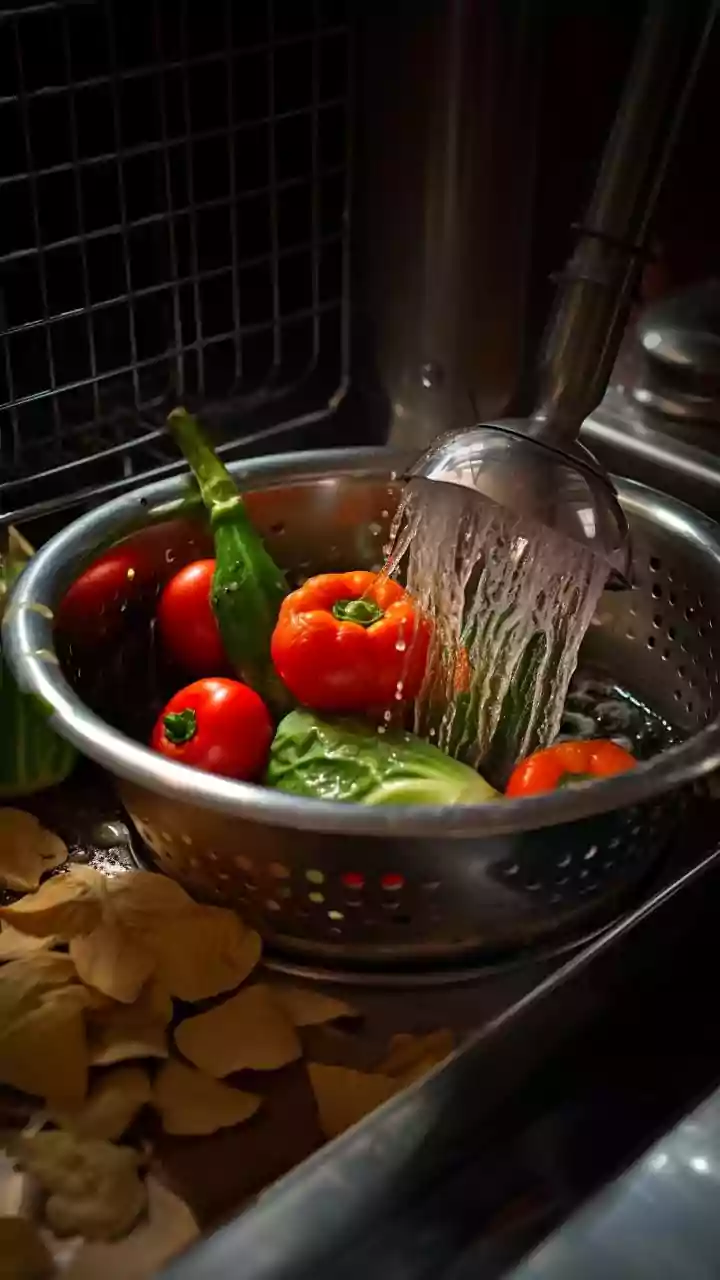
You buy the freshest, greenest vegetables, but their health benefits can be completely undone if they are washed in contaminated water. During the monsoon, produce is more likely to carry dirt, larvae, and harmful microbes. Rinsing vegetables under running tap water is a good first step, but for better safety, an extra step is recommended. After an initial rinse, soak your vegetables for 10-15 minutes in a solution of salt water (one tablespoon of salt per litre of water) or a vinegar solution (one part vinegar to three parts water). This helps dislodge germs and small insects. Always use purified or boiled water for the final rinse, especially for items you plan to eat raw, like in salads or chutneys.
Smart and Safe Water Storage
Purifying your water is only half the battle; storing it correctly is just as important to prevent re-contamination. Always store drinking water in clean, food-grade containers with tight-fitting lids. It's best to use containers with a narrow neck or tap to avoid dipping hands or cups into the water. These containers should be washed with soap and water and sanitised regularly, which can be done with a solution of unscented bleach and water. Store your water in a cool, dark place, away from direct sunlight and any chemicals like pesticides or cleaning agents, as vapours can sometimes penetrate plastic. It's a good practice to empty, clean, and refill storage containers frequently, rather than just topping them up.
Hidden Dangers: Ice, Chutneys, and Juices
It’s easy to focus on drinking water and forget the other ways contaminated water can enter your system. Ice cubes are a common culprit. Always make ice using only purified or boiled water. The same rule applies to preparing beverages at home, such as nimbu pani, lassi, or fresh juices. When making chutneys or grinding masalas that require water, ensure it is from a safe source. These are small habits, but they close potential loopholes in your food safety routine, providing a comprehensive layer of protection for your household during the high-risk humid months.