

The Sweet and Lowdown on Cereals
For decades, the breakfast aisle has been dominated by processed cereals, marketed as a convenient and even healthy start to the day. Loaded with appealing shapes and sweet flavours, they became a staple in many busy households. However, a closer look
at the nutrition label often reveals a less wholesome picture. Many popular breakfast cereals are high in added sugars and refined carbohydrates, leading to a quick energy spike followed by a slump. This cycle can contribute to mid-morning hunger, increased cravings, and, over time, a higher risk for health issues like type 2 diabetes and heart disease. Furthermore, the processing these grains undergo often strips them of natural fibre and nutrients, with some brands adding synthetic vitamins to fortify their products.
The Millet Renaissance
Enter the humble millet. Once a staple in the Indian diet before the Green Revolution prioritized wheat and rice, these ancient grains are making a powerful comeback. This resurgence is fuelled by a wave of health consciousness across urban India. Millets are celebrated as nutritional powerhouses; they are naturally gluten-free, high in protein and fibre, and packed with essential minerals like iron and magnesium. Critically, they have a low glycemic index, meaning they release energy slowly, promoting stable blood sugar levels and keeping you feeling full for longer. This shift is not just about individual health; millets are also climate-resilient crops, requiring significantly less water than rice and wheat, making them a sustainable choice for the environment.
Tradition Steams Ahead
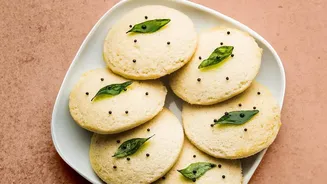
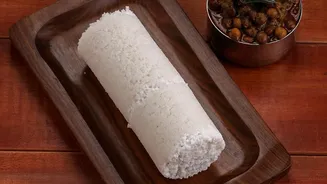
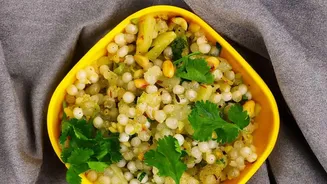
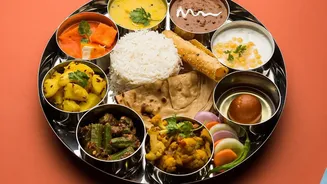
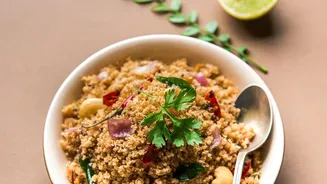
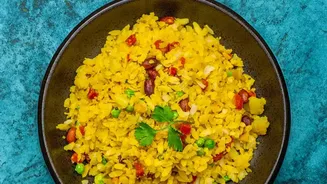
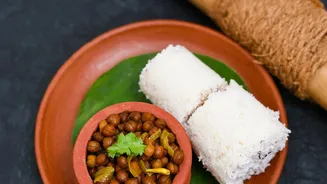
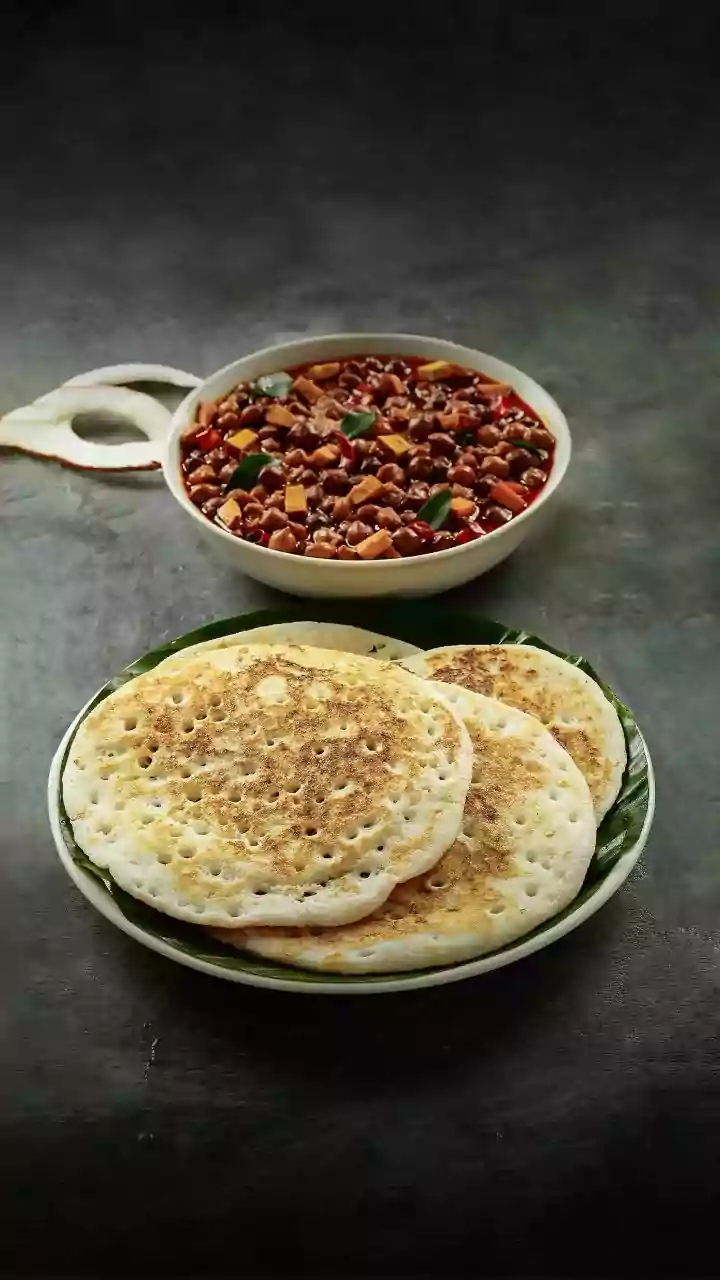
The return to millets is not about adopting a new, foreign health fad but about reviving traditional wisdom. Across India, home cooks are adapting age-old recipes for the modern palate. Steamed dishes, in particular, are gaining favour as a healthy cooking method that preserves nutrients. Think soft, fluffy millet idlis, flavourful millet upma, or savoury kozhukattai (steamed dumplings). Recipes for foxtail millet dhokla and kodo millet idli are being shared widely, transforming grains once deemed 'poor man's food' into aspirational superfoods. These dishes offer the comfort of familiar flavours while delivering superior nutrition, proving that healthy eating can be both delicious and deeply rooted in Indian culinary heritage.
Making the Switch Easy
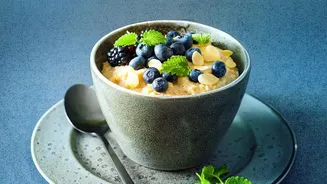
This breakfast transformation has been made possible by improved accessibility. A decade ago, finding diverse millet varieties might have required a trip to a specialty store. Today, supermarket shelves and online portals are stocked with everything from finger millet (ragi) and foxtail millet to ready-to-cook mixes for dosas and idlis. This convenience is crucial for time-pressed urban families. Brands have recognised the trend, offering innovative and attractively packaged millet products that make the transition from a box of cereal to a bowl of millet porridge seamless. Recent surveys show a significant portion of urban households now consume millets multiple times a week, signalling a genuine and lasting shift in dietary habits.